1. Introduction
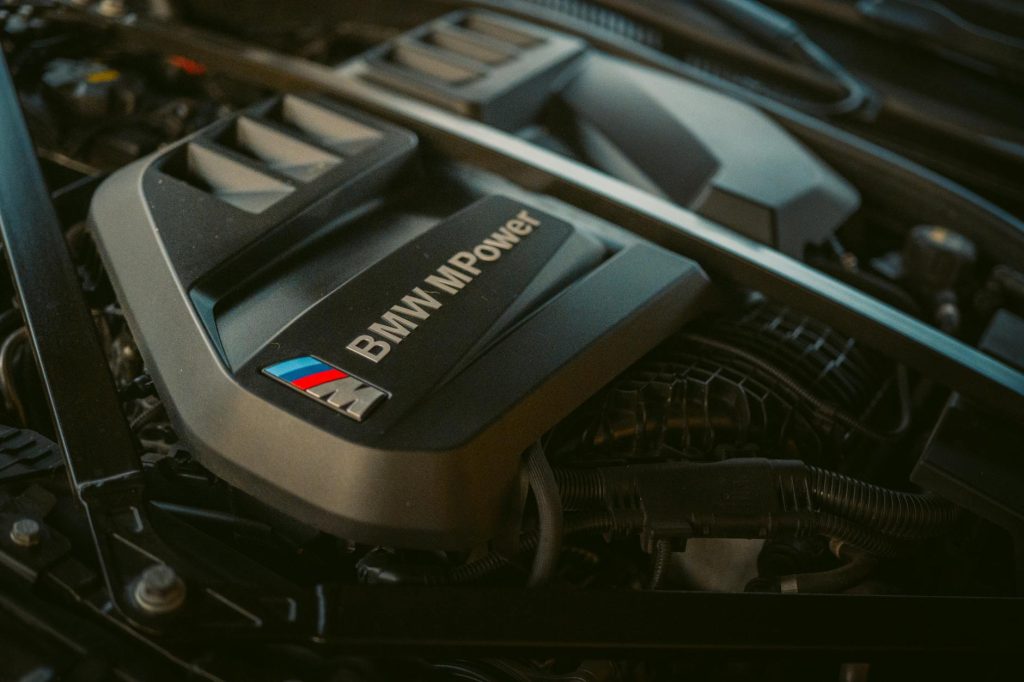
Turbo lag and “low boost” fault codes can turn a smooth BMW 5 Series (G30) 520i into a car that feels oddly flat, hesitant, and inconsistent—especially when joining motorways or overtaking. On the 520i’s turbocharged petrol engine (commonly the B48 2.0L in many European markets), the boost system relies on airtight pipework, fast-acting control valves, accurate sensors, and a correctly operating wastegate/actuator. When any part of that chain is slow or inaccurate, the ECU reduces boost for protection and stores faults that may read like “boost pressure too low,” “charge pressure control,” or “turbocharger control deviation.”
Recommended Tool: Professional OBD2 Scanner
Recommended Tool: Portable Jump Starter
Recommended Tool: Transmission Diagnostic Tools
This guide is written for everyday European owners, not mechanics, and focuses on practical checks, sensible diagnosis steps, and realistic repair expectations. While examples are BMW-specific, the same fundamentals apply across Mercedes (e.g., OM651/ M274), Audi/VW Group (EA888 with DSG), and JLR Ingenium turbo engines—especially when boost control and sensor plausibility are involved.
🔧 Recommended Professional Tool
BMW B48 Diagnostic ToolsRecommended tools for B48 engine diagnostics
✔ Recommended by automotive technicians ✔ Suitable for BMW, Mercedes, VAG & JLR platforms ✔ Fast international shipping
2. Causes
Low boost and turbo lag on the G30 520i typically come down to air leaks, control faults, or sensor/actuator issues. Common causes include:
- Charge-air leak: Split intercooler hose, loose clamp, cracked plastic charge pipe, intercooler end-tank leak.
- Diverter valve (DV) or bypass valve issues: Sticking valve, torn diaphragm (where applicable), or weak solenoid causing boost to bleed off.
- Wastegate/actuator problems: Actuator out of adjustment, sticky wastegate linkage, actuator motor failure, or calibration/adaptation issues.
- Boost control solenoid/vacuum issues (where fitted): Leaking vacuum lines, weak vacuum pump supply, faulty solenoid.
- Sensor faults: MAP/charge pressure sensor contamination, MAF plausibility issues, intake air temperature sensor errors.
- Intake restrictions: Collapsed intake hose, blocked air filter, debris in airbox/snorkel, or a deformed turbo inlet.
- Exhaust-side issues: Exhaust leaks pre-turbo, damaged catalytic converter, or a stuck exhaust flap causing backpressure (less common, but possible).
- Software or adaptation problems: After battery disconnect, repairs, or updates, the car may need relearns; outdated software can also worsen sensitivity to deviations.
3. Symptoms
Owners often describe the problem before any warning light appears. Typical symptoms are:
- Sluggish acceleration, especially from 1,500–3,000 rpm
- Noticeable hesitation before power arrives (inconsistent “spool” feeling)
- Reduced mid-range torque; overtakes require more throttle
- Intermittent limp mode (power reduction) under load
- Check Engine light, drivetrain warning, or “increased emissions” message
- Whistling/hissing under boost (often points to a leak)
- Higher fuel consumption due to extra throttle input
- Rougher gear changes because the ZF 8HP is managing unexpected torque delivery
4. How to diagnose
A good diagnosis avoids parts darts. If you can, start with a scan and simple visual checks, then move to measured tests.
Scan for fault codes and freeze-frame data
- Use ISTA (BMW) if available, or a quality OBD tool that can read BMW manufacturer codes.
- Look for faults related to:
- Boost pressure control deviation (underboost)
- Charge pressure plausibility
- Turbo actuator/wastegate control
- MAP/MAF correlation
- Check freeze-frame: engine load, RPM, requested vs actual boost, and intake temperature when the fault set.
Visual inspection (10–20 minutes)
With the engine cool:
- Inspect charge pipes and intercooler hoses for oil misting, splits, and loose clamps.
- Check the turbo inlet pipe for cracks or a poor seal.
- Inspect the air filter and intake tract for blockage. Oil residue around a joint is a common clue because boost leaks often “weep” oily vapour.
Live data: requested vs actual boost
During a gentle road test (safely, ideally with a passenger monitoring data):
- Compare requested boost to actual boost.
- If actual boost consistently lags behind requested under load, suspect leaks, DV, wastegate/actuator, or restriction.
- If readings jump erratically, suspect sensor/wiring issues or unstable control.
Smoke test / pressure test (best next step)
A smoke test of the intake/charge system is one of the quickest ways to confirm leaks. Many independent workshops can do this in under an hour. Even a small leak can cause big drivability issues on modern turbo engines.
Check turbo actuator operation
ISTA can often run actuator tests and adaptations. If the actuator doesn’t move smoothly or calibration fails, the ECU may cap boost and store control faults. On some setups, the actuator is replaceable separately; on others, it becomes a turbocharger-level repair decision.
5. How to fix
Fixes should follow what diagnosis proves, but these are the most common outcomes:
Repair air leaks first
- Replace split hoses/charge pipes and renew clamps.
- Ensure intercooler connections are seated correctly.
- After repair, clear faults and re-test under load.
Service/replace the diverter valve (if faulty)
A leaking DV causes boost to dump back into the intake when it should be building pressure. Replacement is usually straightforward and often restores crisp throttle response.
Address wastegate/actuator faults properly
- If it’s an adaptation/calibration issue, ISTA-guided procedures may restore function.
- If the actuator is failing (electrical fault, limited travel), replace and recalibrate.
- If the wastegate is sticking (mechanical wear/carbon), it may require turbo removal or turbo replacement depending on severity and parts availability.
Replace or clean sensors only when confirmed
- MAP sensors can get contaminated with oil vapour; cleaning can help, but replacement is often more reliable if readings are unstable.
- MAF issues are less common on some BMW turbo setups, but plausibility faults should be taken seriously—air metering errors can mimic boost problems.
Software updates and adaptations
If faults persist with no hardware issue found, a BMW specialist can check:
- DME software level and service bulletins
- Relevant adaptations (boost control, throttle, fuel trims) A battery support unit is typically required during programming.
6. Repair costs
Prices vary by country and labour rate, but these ranges are realistic for much of Europe (parts + labour):
- Smoke test / diagnostic session: €80–€180
- Boost hose/charge pipe replacement: €150–€450
- Intercooler replacement (if leaking): €400–€900
- Diverter valve replacement: €200–€450
- MAP/boost pressure sensor replacement: €150–€300
- Wastegate actuator replacement + calibration: €350–€900
- Turbocharger replacement (if required): €1,400–€3,000+
- Software update/programming session: €120–€350
If you also have drivability complaints during shifts, note that the ZF 8HP gearbox usually isn’t the cause; it’s reacting to unstable engine torque. Fixing boost control typically improves shift feel without any gearbox work.
7. Prevention tips
You can’t prevent every turbo issue, but you can reduce risk and catch problems early:
- Use correct oil spec and change it on time (shorter intervals help on turbo engines that do lots of short trips).
- Let the engine reach temperature before heavy throttle; avoid repeated full-load pulls when cold.
- Replace the air filter regularly and ensure the airbox is sealed properly.
- If you notice a faint hiss or loss of punch, don’t ignore it—small leaks become larger failures.
- After any intake/boost-related repair, ensure clamps are tightened correctly and rechecked after a few heat cycles.
8. When to see a mechanic
Book a workshop visit if any of the following apply:
- The car enters limp mode or shows drivetrain/emissions warnings
- You hear loud whooshing, whistling, or rattling under boost
- Fault codes return immediately after clearing
- Requested vs actual boost is consistently mismatched in live data
- You suspect wastegate/actuator issues (these often need ISTA tests and calibration)
A BMW specialist with ISTA is ideal, but a competent independent with smoke testing capability and OEM-level diagnostics can solve most underboost cases without guesswork.
9. Frequently Asked Questions
Can I keep driving with low boost fault codes on my BMW G30 520i?
You can usually drive gently to a workshop, but avoid hard acceleration and high-load motorway overtakes. The engine may run lean/rich depending on the fault, and the ECU can reduce power unexpectedly. Continued driving with a boost leak can also stress the turbo and catalytic converter.
What are the most common low boost causes on the 520i?
The most common are charge-air leaks (hoses, clamps, charge pipe) and diverter valve issues. Wastegate/actuator control problems are also common when faults return quickly and boost control adaptations fail. Sensor issues happen too, but they’re less often the root cause than a physical leak.
Will an OBD code reader be enough, or do I need ISTA?
A generic reader can point you in the right direction, but ISTA provides deeper BMW-specific faults, guided test plans, and actuator/adaptation functions. For underboost problems, those guided tests often save money by confirming whether the issue is leakage, control, or sensor plausibility. If you’re paying for diagnosis, ISTA-level access is worth it.
Can a low boost issue damage the turbocharger?
Yes, depending on the cause. A leak can make the turbo work harder to meet requested boost, raising shaft speed and heat over time. A sticking wastegate or faulty actuator can also lead to uncontrolled boost behaviour that triggers protective limits.
Why does the car sometimes feel fine and then suddenly lose power?
Many underboost problems are load- and temperature-dependent. A hose split can open more under higher pressure, or a valve/actuator can stick intermittently as heat builds. The ECU may also reduce boost only when a deviation threshold is exceeded, so the issue can feel inconsistent.