1. Introduction
If you own a BMW G20 330i and you’re topping off coolant more often than you think you should—but you don’t see any puddles under the car—you’re not alone. “Coolant loss without a visible leak” is a common frustration because the engine may run perfectly fine for a while, and the warning can show up only occasionally. The reality is that coolant can escape in ways that don’t leave a clear trail on your driveway, especially in modern cars with hot engine bays and sealed undertrays.
Recommended Tool: Professional OBD2 Scanner
Recommended Tool: Cooling System Diagnostic Tools
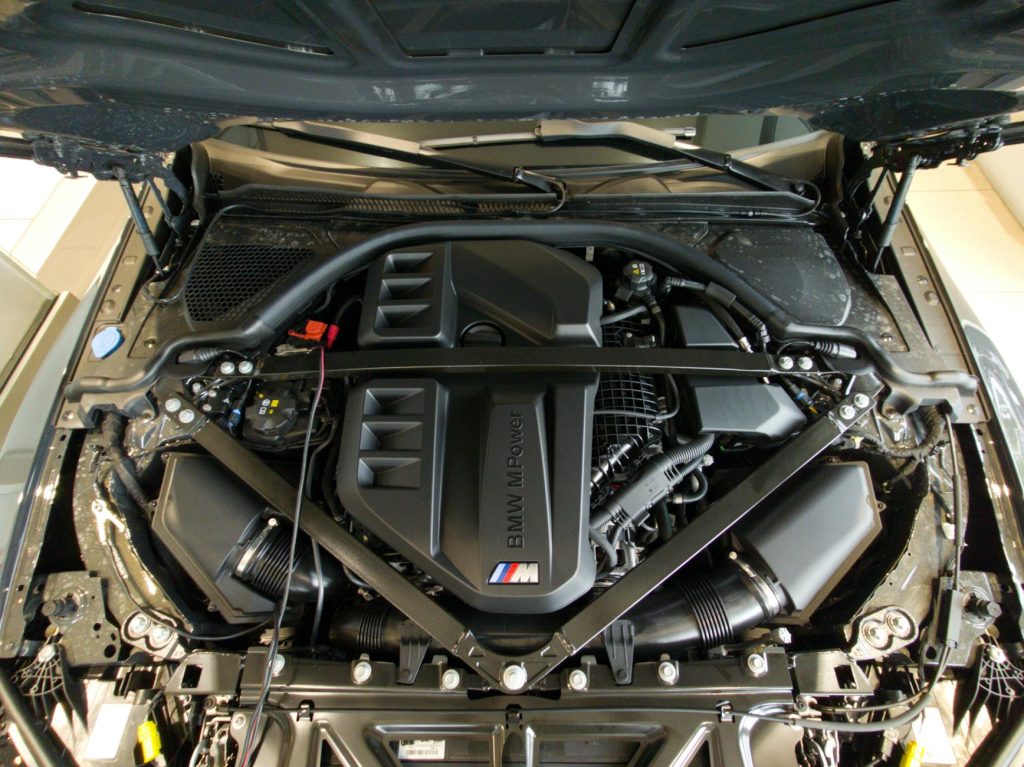
Coolant is critical for temperature control, cabin heat, and long-term engine health. Even small losses can lead to overheating, reduced performance, or damage if ignored. This guide breaks down the most common causes on the G20 330i, what to watch for, how to narrow it down at home, and when it’s time to get professional help.
Recommended Tool: Professional OBD2 Scanner
🔧 Recommended Professional Tool
Cooling System Diagnostic ToolsProfessional coolant tester and infrared thermometer for accurate overheating diagnosis.
✔ Recommended by automotive technicians ✔ Suitable for BMW, Mercedes, VAG & JLR platforms ✔ Fast international shipping
2. Causes
External leaks that don’t drip on the ground
A leak can evaporate before it ever reaches the pavement, or it can collect on underbody panels.
Common culprits include:
- Radiator end tanks or seams (fine cracks can seep only when hot/pressurized)
- Coolant hoses and quick-connect fittings (o-rings shrink/harden over time)
- Thermostat housing or coolant outlet flanges (plastic parts can warp or crack)
- Water pump area (minor seepage can burn off on hot surfaces)
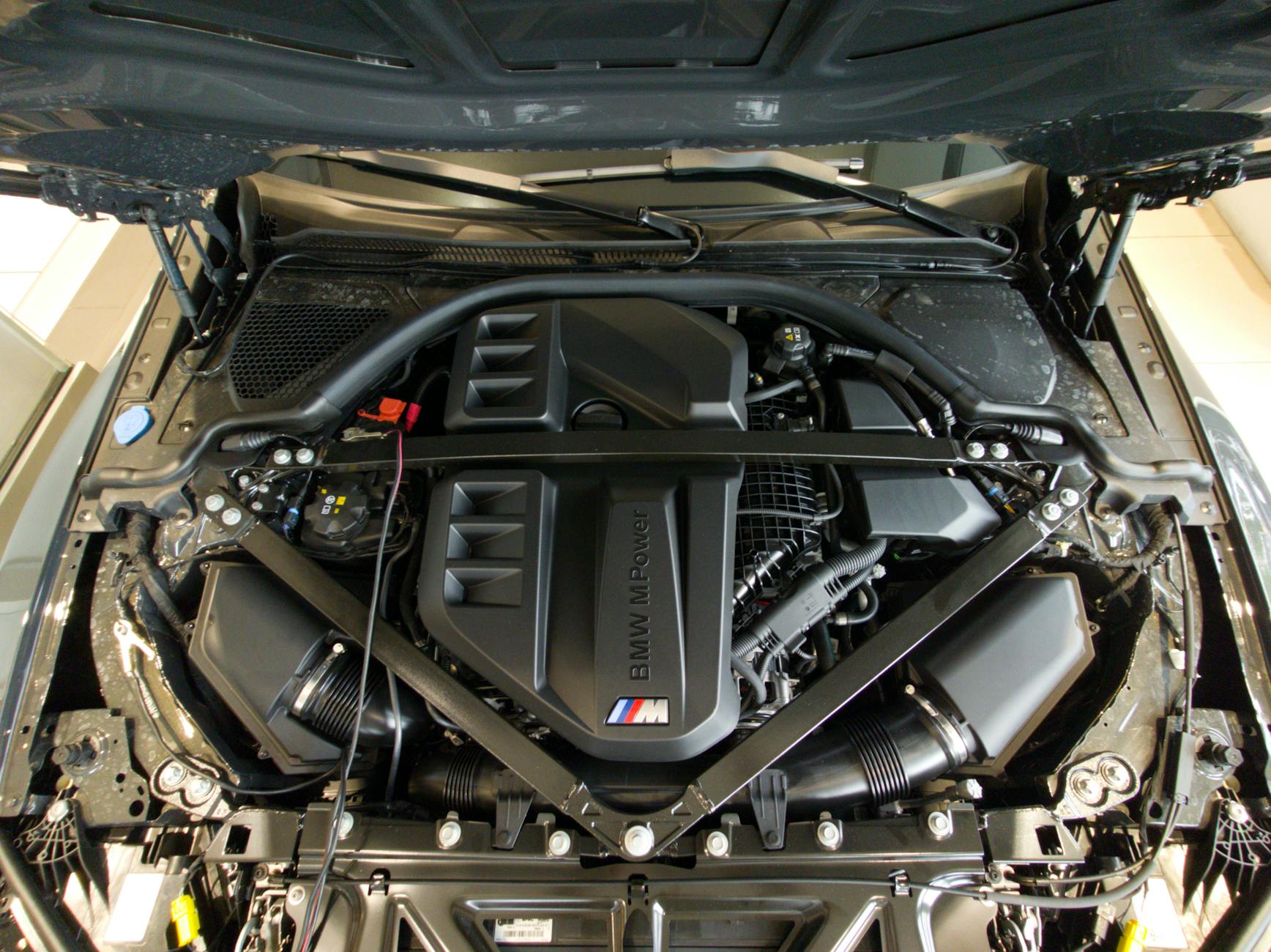
- Expansion tank and cap (cap may vent pressure too early; tank can develop hairline cracks)
Coolant venting from pressure issues
If the system builds pressure and the cap can’t hold it (or vents too easily), coolant can exit as vapor and never form a puddle. A weak cap or a small crack near the expansion tank neck can also spray a mist that dries quickly.
Internal coolant loss (no external leak)
This is less common than simple seepage, but it’s the most important to rule out.
Possible internal paths:
- Head gasket seepage (can allow coolant into the combustion chamber or oil passages)
- Oil cooler or heat exchanger issues (coolant and oil can mix in certain failure modes)
- Heater core leak (coolant leaks into the cabin airflow area, often leaving odor or window fog)
Coolant loss after service or from improper fill/bleeding
If coolant was recently serviced, the system may have:
- Trapped air pockets that burp out over several heat cycles
- Incorrect coolant mixture or low fill level
- A loose clamp or connector that only leaks under pressure
3. Symptoms
What you might notice day to day
- Coolant level slowly drops in the expansion tank over days or weeks
- “Low coolant” warning that comes and goes
- Sweet, syrupy smell after parking (often indicates a hot, evaporating leak)
- White residue/crust around hose joints, tank seams, radiator area (dried coolant)
- Occasional temperature fluctuations (usually minor at first)
Signs that suggest internal loss
- White smoke/steam from the exhaust after warm-up (not just cold condensation)
- Milky-looking oil on the dipstick or under the oil cap (not always present)
- Misfires or rough starts if coolant is entering a cylinder
- Unexplained overheating even when coolant was recently topped off
4. How to diagnose
Start with safe, simple checks
- Check coolant level only when the engine is cold. On BMWs, follow the specific procedure in your owner’s manual for checking via the display or reservoir markings (depending on configuration).
- Inspect for dried coolant trails. Use a bright flashlight and look for white/blue crust or staining around:
- Expansion tank seam and cap area
- Upper/lower radiator hose connections
- Thermostat housing area
- Radiator corners and plastic end tanks
- Smell test after a drive. A sweet smell near the front of the car or near the passenger side firewall can be a clue.
Look underneath without assuming “no puddle = no leak”
Many G20s have undertrays that can catch fluid. If you’re comfortable:
- Look for damp spots on the undertray or a sticky residue.
- After parking overnight, place clean cardboard under the engine area (even small drips can show).
Use a UV dye (owner-friendly but effective)
UV coolant dye and a UV flashlight can reveal leaks that dry immediately.
- Add dye as directed, drive for a day or two, then inspect with the UV light.
- Focus on joints, seams, and the expansion tank area.
Pressure testing (best confirmation)
A shop can pressurize the cooling system with the engine off to force leaks to show.
- This often reveals slow seepage at a hose fitting or tank seam.
- Ask for a cooling system pressure test specifically if you’re losing coolant without visible dripping.
5. How to fix
If it’s the expansion tank or cap
- Replace the cap first if there are no obvious cracks and you suspect venting. Caps are relatively inexpensive and can cause persistent low-level loss when weak.
- If you see staining or dampness around the reservoir seam/neck, replace the expansion tank. Hairline cracks often worsen quickly once they start.
If it’s a hose, o-ring, or quick-connect fitting
- Replace the affected hose or connector, not just “tighten it and hope.”
- Many modern connectors use sealing o-rings that flatten with heat cycles. Replacing the seal or the whole fitting is usually the proper repair.
If it’s the thermostat housing, coolant outlet, or plastic flanges
- These components can crack or warp. The correct fix is component replacement, followed by a proper refill and bleed procedure.
- Avoid sealants marketed as “stop leak.” They can clog narrow passages and create bigger problems later.
If it’s the radiator
- Small seam leaks at plastic end tanks typically mean radiator replacement. Patch fixes rarely hold up under heat and pressure.
If internal loss is suspected
- Do not keep driving and topping off indefinitely.
- A shop may perform:
- Combustion gas test (checks for exhaust gases in coolant)
- Cooling system pressure test
- Spark plug inspection (coolant can “steam clean” a plug)
- Oil analysis/inspection for contamination
- Repairs can range from a heat exchanger repair to more serious engine work depending on the source.
6. Prevention tips
- Check coolant level monthly (and always before long trips), using the correct BMW procedure.
- Use the correct coolant type and mixture. BMW engines are sensitive to coolant chemistry; mixing types can reduce corrosion protection.
- Address small losses early. A slow seep can turn into a sudden failure under heavy load or hot weather.
- Inspect after any cooling system service. Recheck level after a few heat cycles, and look for fresh residue around connections.
- Keep the engine bay clean enough to spot changes. You don’t need detailing—just remove heavy grime so new staining is visible.
7. When to see a mechanic
You should book a visit promptly if:
- You need to add coolant more than once every few weeks
- The low coolant warning returns quickly after topping off
- You notice any overheating, temperature warnings, or reduced power
- There’s white smoke, sweet exhaust smell, or persistent coolant odor
- You find coolant on the undertray but can’t locate the exact source
Cooling system issues can escalate quickly. Paying for a pressure test and accurate diagnosis is usually far cheaper than repairing overheating damage.
8. Frequently Asked Questions
Frequently Asked Questions
Why does my BMW G20 330i lose coolant but never leaves a puddle?
Small leaks can evaporate on hot engine parts or get absorbed by undertrays, leaving no obvious drip. Coolant can also vent as vapor if the expansion tank cap doesn’t hold pressure correctly. A UV dye test or pressure test usually makes these “invisible” leaks easier to find.
Can a bad expansion tank cap cause coolant loss on the G20 330i?
Yes. If the cap vents too early, coolant can escape as steam or mist, especially after a hot drive. Replacing the cap is often a low-cost first step before moving on to deeper diagnostics.
Is it normal to top off coolant occasionally in a modern BMW?
A very slight change after a coolant service can happen as trapped air purges, but repeated top-offs are not normal. If you’re adding coolant more than once in a season, there’s likely a leak or pressure issue that should be diagnosed.
What should I do if I smell coolant but can’t find a leak?
Check around the expansion tank, radiator corners, hose connections, and thermostat housing for dried residue. If nothing is visible, use UV dye or request a cooling system pressure test. Avoid continuing to drive for long periods while topping off, since the leak can worsen suddenly.
Could coolant be leaking into the cabin on a BMW G20 330i?
It’s possible if the heater core or related connections leak. Typical clues are a sweet smell inside the car, foggy windows that won’t clear easily, or damp carpet near the front footwells. This should be inspected soon because it can affect visibility and cabin air quality.