1. Introduction
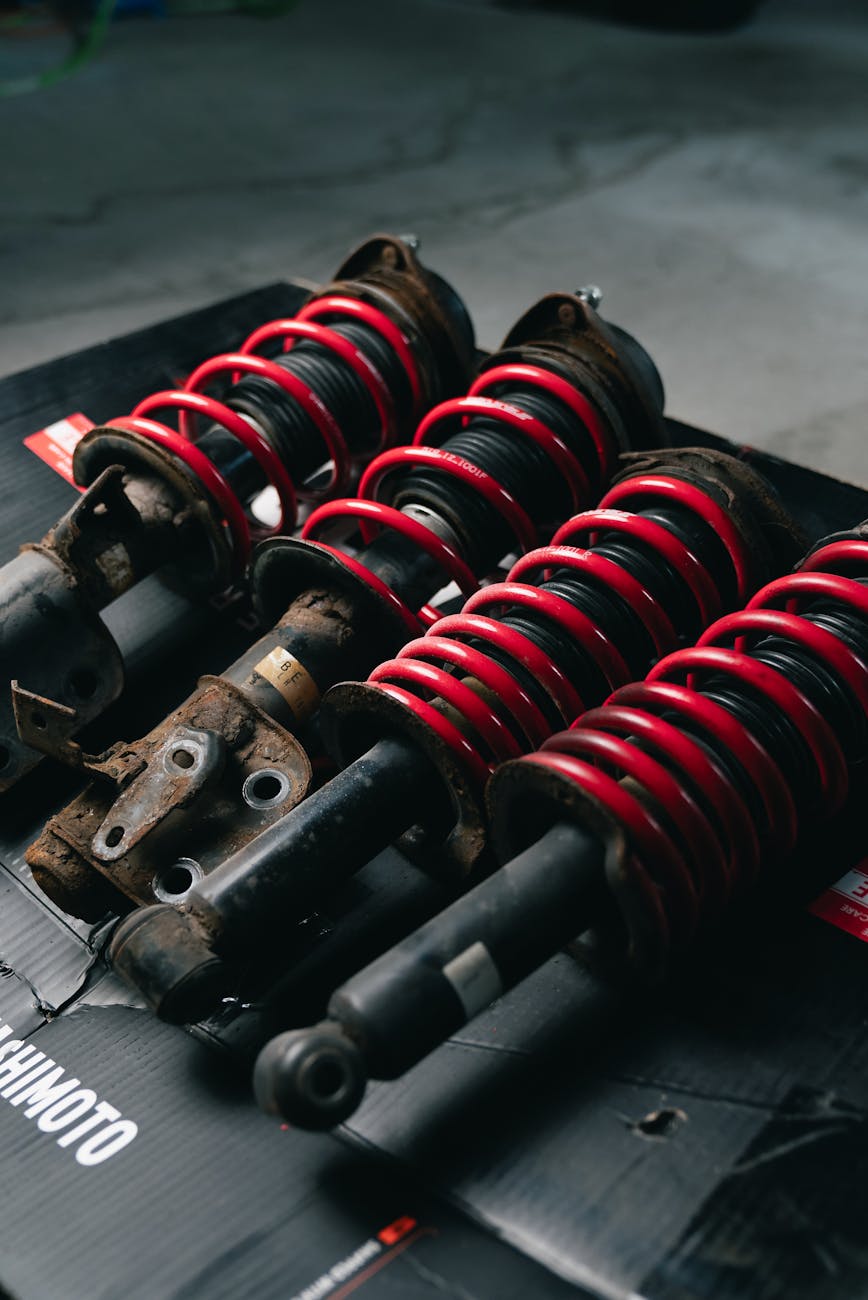
A coilover upgrade on the BMW F32 428i is one of the most popular suspension changes for daily-driven European coupes, and for good reason: it can sharpen handling, improve stance, and refresh an aging factory suspension in one go. The key is choosing a kit that suits real-world driving—motorway commutes, wet roundabouts, speed bumps, and imperfect tarmac—rather than a track-only setup that becomes tiring after a week. The F32 428i (typically with the N20 2.0 turbo engine and often the ZF 8HP automatic gearbox) responds well to a quality coilover package, but results depend heavily on spring rates, damper tuning, correct installation, and alignment.
Recommended Tool: Professional OBD2 Scanner
Recommended Tool: OEM Suspension Components
Recommended Tool: Transmission Diagnostic Tools
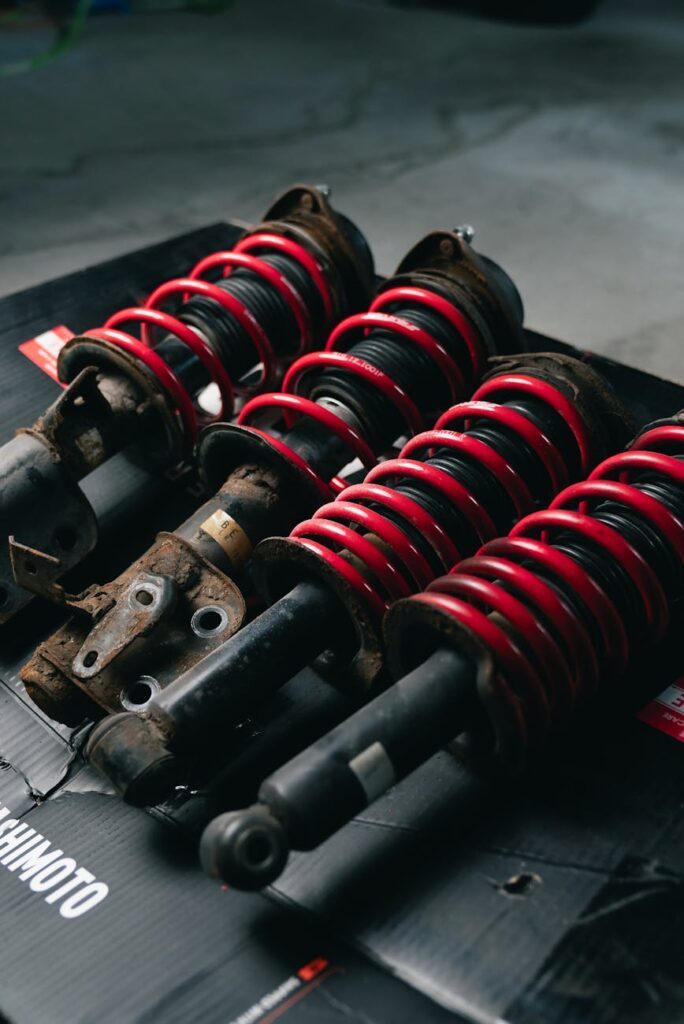
This guide focuses on the best aftermarket coilover options for daily driving, what actually causes poor results, how to diagnose issues before and after fitting, and what you can realistically expect to pay in Europe.
🔧 Recommended Professional Tool
BMW N20 Diagnostic & Timing ToolsProfessional tools for BMW N20 engine service
✔ Recommended by automotive technicians ✔ Suitable for BMW, Mercedes, VAG & JLR platforms ✔ Fast international shipping
2. Causes
People usually consider coilovers for one (or more) of these practical reasons:
- Worn factory dampers and bushings: By 80,000–140,000 km, many F3x cars ride less controlled and can feel floaty over undulations.
- Desire for better body control: Reduced roll and pitch without going “crashy.”
- Stance and wheel fitment: Reducing arch gap or accommodating wider wheels/tyres.
- M Sport vs. standard mismatch: Some cars have a mix of components or non-ideal spec after prior repairs.
Common causes of disappointment after a coilover upgrade include:
- Choosing a track-biased kit (too stiff spring rates and aggressive damping)
- Incorrect ride height (too low reduces bump travel and ruins ride quality)
- Skipping supporting parts like top mounts, bump stops, or worn control arm bushings
- Poor alignment or corner imbalance, especially with mixed tyre wear
3. Symptoms
If your F32’s current suspension is tired—or a recently fitted coilover setup isn’t dialled—these are typical symptoms:
- Harsh ride over small bumps, especially at urban speeds
- Knocking/clunking over speed bumps or when turning into driveways
- Steering that feels nervous on motorways, following ruts (tramlining)
- Uneven tyre wear (inside shoulder wear is common when too low or poorly aligned)
- Rear-end hop or loss of traction on rough roads
- “Bouncy” ride after a bump (dampers not controlling rebound)
4. How to diagnose
Before buying coilovers, check the car’s baseline condition. After installation, confirm nothing is binding or misadjusted.
Visual and hands-on checks (driveway level)
- Look for oil leaks on dampers and signs of broken springs (if still on OEM).
- Inspect front control arm bushings (F3x often develops play that mimics damper issues).
- Check top mounts for cracking or bearing roughness (front) and rubber deterioration (rear).
- Measure ride height from centre of wheel to arch on all corners; large differences can point to spring sag, broken spring seats, or incorrect adjustment.
- Tyre condition: inside wear, cupping/scalloping, or mismatched tyres can make a good suspension feel bad.
Test drive checks (10–15 minutes)
- Over a gentle speed bump: listen for single clunk (mounts/links) vs rattle (loose hardware).
- On a motorway lane change: note settle time; good damping returns to neutral quickly without oscillation.
- On rough B-roads: if the car skips sideways, it’s often too stiff or lacks bump travel.
Diagnostic tools (when relevant)
Coilovers are mostly mechanical, but it’s still smart to scan the car before and after suspension work:
- ISTA (BMW) can check for steering angle sensor calibration needs, DSC faults, or ride height plausibility issues if the car has adaptive/EDC-related coding history.
- If you’re comparing with other brands in the household, similar pre-checks apply: Xentry (Mercedes), ODIS (VAG), and Pathfinder/SDD (JLR) help rule out stability control and steering sensor issues that can masquerade as “bad suspension.”
5. How to fix
“Fix” here means selecting the right coilovers and fitting them in a way that stays comfortable and reliable.
Choose a daily-driver coilover kit (realistic options)
For the BMW F32 428i daily-driven on European roads, these are common, proven choices:
- Bilstein B14: Typically a great daily compromise—controlled, not overly harsh, and durable. Height adjustable, fixed damping.
- KW Variant 1 (V1): Comfort-oriented valving, stainless housings (good for salty winters). Fixed damping, height adjustable.
- ST X / ST XA (by KW): Similar architecture to KW; often a strong value. XA adds adjustable damping, which can help fine-tune comfort.
- Öhlins Road & Track: Excellent ride/handling balance, but costly; best if you want premium compliance without losing control.
- BC Racing (comfort-focused spring choice): Can work well if configured for street rates, but results depend heavily on setup and installer experience.
Avoid ultra-cheap kits for daily use. Poor seals, inconsistent damping, and corrosion issues can turn a “saving” into a repeat purchase.
Supporting parts worth doing at the same time
Coilovers won’t mask worn components. Consider budgeting for:
- Front strut top mounts and bearings
- Rear top mounts
- Drop links (especially if you have knocks)
- Front thrust arms/control arms if bushings are cracked or have play
- Bump stops and dust boots if not included or if your current ones are degraded
Installation and setup essentials
- Don’t slam it: Keep enough bump travel. A modest drop (often ~15–25 mm) typically rides far better than 40+ mm.
- Torque at ride height: Many suspension bushings should be tightened with the suspension loaded to prevent preloading and premature wear.
- Alignment is non-negotiable: Set toe correctly for stability and tyre life. Excessive negative camber without correcting toe will eat tyres quickly.
- Re-check after settling: After 300–800 km, re-measure heights and re-torque critical fasteners.
6. Repair costs
Costs vary by country and workshop rates, but these are realistic European ranges (parts + labour):
Coilover kit + fitting + alignment
- Bilstein B14 / KW V1 / ST kits: €1,100–€2,300 total
- Parts: €800–€1,800
- Labour (4–7 hours): €300–€900
- Alignment: €120–€220
Optional supporting parts (common add-ons)
- Top mounts (front + rear): €180–€450 parts, €150–€350 labour
- Drop links (pair): €80–€200 parts, €80–€200 labour
- Front control arms/thrust arms (pair): €250–€700 parts, €250–€600 labour
If something goes wrong
- Knock diagnosis + rework (loose hardware, mis-seated spring, incorrect preload): €100–€350
- Seized adjusters/corrosion (older kits): can add €150–€400 in labour if height needs correcting
7. Prevention tips
- Choose corrosion-resistant bodies if you drive in winter conditions (KW stainless is a plus).
- Use anti-seize on adjuster threads (sparingly, correct product) and clean threads seasonally.
- Keep ride height sensible to preserve bump travel and avoid damaging dampers.
- Do an alignment yearly or after any significant pothole strike.
- Match tyres and pressures: mixed brands or uneven wear can undo the benefits of a good suspension.
8. When to see a mechanic
See a reputable suspension specialist (not just a general fitter) if:
- You hear persistent clunks after installation that don’t respond to re-torque checks
- The car feels unstable at speed, or DSC intervenes unexpectedly
- You can’t achieve correct alignment values (could indicate bent arms, worn bushings, or incorrect ride height)
- You’re unsure about compatibility with your exact F32 spec (xDrive vs RWD, adaptive dampers, M Sport options)
A good shop will also spot underlying issues—like worn bushings—that make coilovers feel harsh or imprecise.
9. Frequently Asked Questions
Frequently Asked Questions
Will coilovers make my BMW F32 428i uncomfortable for daily driving?
Not necessarily—daily comfort depends on damper tuning, spring rates, and keeping enough bump travel. Kits like Bilstein B14 and KW V1 are often chosen specifically because they stay livable on imperfect roads. Going too low is the most common reason a “comfortable” kit ends up feeling harsh.
Do I need to code anything after installing coilovers on an F32?
If your car originally had adaptive damping (EDC), you may need coding to avoid warning lights and to ensure the car’s systems behave correctly. ISTA can help confirm whether faults are present and whether calibrations (like steering angle) are required. On non-adaptive cars, coding is usually not needed.
What ride height drop is best for a daily-driven F32?
A mild drop around 15–25 mm is typically the sweet spot for looks and drivability. It helps reduce roll without constantly hitting bump stops or scraping on ramps. Very low settings often create poor ride quality and rapid tyre wear.
Should I replace top mounts when doing coilovers?
If the car has higher mileage or any knocking/creaking, replacing mounts is a smart move because labour overlap is significant. Worn mounts can ruin the feel of new suspension and cause noises that are hard to chase later. Many owners treat mounts as “while you’re in there” items.
How soon should I get an alignment after coilover installation?
Immediately after the install, and then again after the suspension has settled (typically 300–800 km). Settling can change toe and ride height slightly, which affects tyre wear and straight-line stability. A proper alignment is essential if you want the upgrade to feel precise and safe.