1. Introduction
Few things ruin an otherwise smooth drive like a steering wheel that starts to shake at highway speeds. If you drive a BMW F30 (3 Series, model years roughly 2012–2019), you may notice a vibration that appears around 55–80 mph, sometimes fading in and out depending on road surface or how you apply the brakes. This can feel alarming, and it also makes it harder to relax behind the wheel.
Recommended Tool: Professional OBD2 Scanner
Recommended Tool: Premium Brake Pads
Recommended Tool: Cooling System Diagnostic Tools
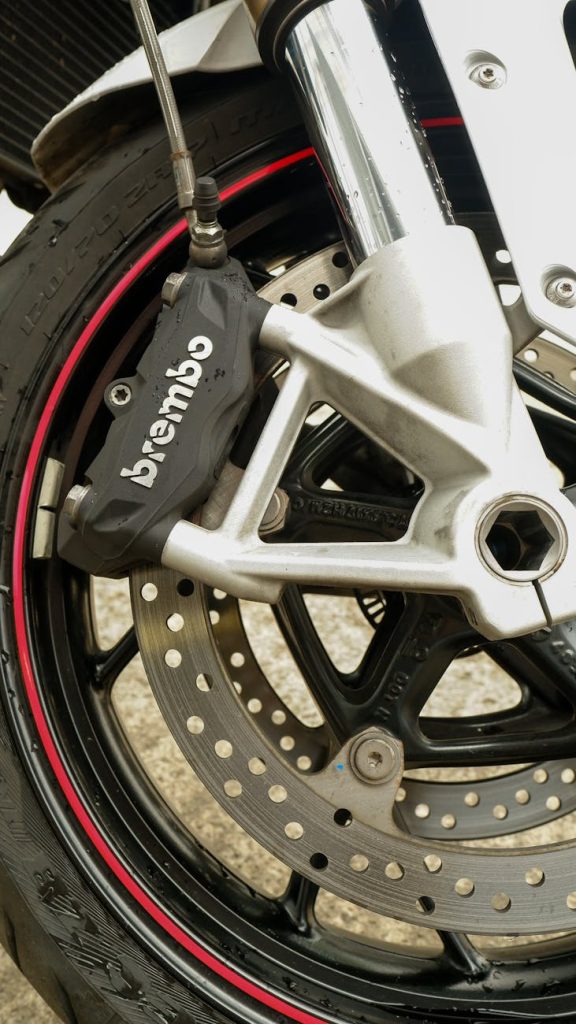
Two of the most common culprits are worn front suspension control arm components (especially the bushings) and brake disc (rotor) issues. The tricky part is that the symptoms can overlap, and a quick “parts swap” approach can waste money. This guide breaks down the most likely causes, what you’ll feel when each is happening, and how everyday owners can narrow it down before scheduling service.
🔧 Recommended Professional Tool
Cooling System Diagnostic ToolsProfessional coolant tester and infrared thermometer for accurate overheating diagnosis.
✔ Recommended by automotive technicians ✔ Suitable for BMW, Mercedes, VAG & JLR platforms ✔ Fast international shipping
2. Causes
Highway-speed vibration usually comes from something rotating (wheels/tires/brakes) or something that allows movement (suspension/steering joints). On the BMW F30, these are the most common sources:
Wheel and tire-related causes (often overlooked)
- Wheel imbalance (a missing weight or uneven weight distribution)
- Bent wheel (often from potholes or curb impacts)
- Tire issues such as:
- Uneven wear (cupping/scalloping)
- Flat spots from sitting
- Tire separation or internal belt damage
- Incorrect tire pressure or mismatched tires
Brake-related causes (brake discs/rotors and hardware)
- Brake disc thickness variation (DTV): often described as “warped rotors,” though it’s frequently uneven material transfer or uneven wear.
- Sticking caliper slide pins or piston causing one pad to drag and create heat spots.
- Improper torque on wheel bolts leading to disc distortion over time.
- Worn pads or poor-quality discs/pads that develop vibration sooner.
Suspension and steering causes (control arms are a prime suspect)
- Worn lower control arm bushings (common on F30s as mileage climbs)
- Worn tension struts/thrust arms (depending on configuration and terminology used by the shop)
- Ball joint play in control arms
- Worn tie-rod ends or steering components
- Worn shocks/struts contributing to poor wheel control and tire cupping
3. Symptoms
Different causes tend to show up in different ways. Pay attention to when the vibration occurs and what changes it.
Signs it may be brake disc-related
- Vibration is strongest when braking, especially from highway speeds.
- The steering wheel may pulse in rhythm with wheel rotation.
- You might feel it more through the brake pedal than the seat.
- After repeated stops, the vibration can worsen as heat builds.
Signs it may be control arm/bushing-related
- Vibration happens at speed even when not braking, often in a specific range (for example, 60–75 mph).
- The car may feel slightly loose or wandering, especially over grooves or uneven pavement.
- You may hear a clunk over bumps or during low-speed turns/parking maneuvers.
- Braking from speed may cause a shimmy that feels like the front end is moving back and forth.
Signs it may be wheel/tire-related
- Vibration is speed-dependent and usually smooths out or changes at different speeds.
- You may feel it in the seat (rear-related) or steering wheel (front-related).
- It may get worse after hitting a pothole or after a tire rotation.
- There may be visible tire wear patterns like cupping.
4. How to diagnose
You can do a lot of useful checking without special tools. The goal is to narrow the problem before spending money.
Step 1: Note exactly when it happens
Ask yourself:
- Does it happen only when braking, or also when cruising?
- At what speed range is it worst?
- Does it change on smooth vs. rough roads?
- Does it worsen after several stops (heat-related)?
Write these observations down. They help a shop diagnose faster.
Step 2: Quick wheel and tire checks
- Check tire pressure when cold and set it to the door-jamb specification.
- Look for bulges, cuts, or uneven wear. Run your hand over the tread; cupping feels like alternating high/low spots.
- If you recently installed new tires, confirm they were road-force balanced. BMWs can be sensitive to small tire/wheel imperfections.
Step 3: Simple “braking test” (safe and legal)
On a safe road:
- At highway speed, apply the brakes gently and then more firmly.
- If vibration appears only under braking, brake discs/calipers jump higher on the list.
- If vibration is present before braking and just changes intensity when braking, suspension or wheels/tires may be primary.
Step 4: Visual brake inspection (through the wheel)
Without removing wheels, you can sometimes see:
- Heavy grooves or a pronounced lip on the disc edge
- Uneven pad wear (one side looks much thinner)
- Signs of overheating (bluish tint), though not always visible
Step 5: Check for suspension play (best done by a shop, but you can spot clues)
A mechanic can safely lift the car and check:
- Control arm bushings for cracks or fluid leaks (some bushings are fluid-filled)
- Ball joints and tie rods for play
- Wheel bearing looseness
If your F30 has higher mileage and the front end feels loose, worn control arm bushings are a frequent cause even if brakes aren’t perfect.
5. How to fix
The correct fix depends on what you confirm as the root cause. Avoid replacing parts based on guesswork.
Fixing brake disc-related vibration
- Replace front brake discs and pads as a set (left and right). Mixing old pads with new discs often causes problems.
- Ensure calipers move freely: service or replace slide pins/boots, and address any sticking piston.
- Use correct wheel bolt torque with a torque wrench. Uneven or excessive torque can contribute to disc issues.
- Bed in new pads properly per the pad manufacturer’s guidance to reduce uneven transfer.
Fixing control arm-related vibration
- Replace worn control arms/thrust arms or bushings (usually both sides). Doing one side can leave you with uneven handling.
- Follow up with a four-wheel alignment. New suspension parts change alignment and can otherwise cause tire wear and instability.
- If multiple front-end components are worn (common as mileage climbs), consider replacing them as a matched set to avoid chasing vibrations.
Fixing wheel and tire vibration
- Have the wheels road-force balanced and check for excessive wheel runout.
- Replace bent wheels or damaged tires.
- Rotate tires to see if the vibration changes location (steering wheel vs. seat), which can help pinpoint the corner causing it.
6. Prevention tips
A few habits can greatly reduce the chance of vibration returning:
- Avoid potholes and curbs when possible; even one impact can bend a wheel or damage a tire belt.
- Check tire pressure monthly and before long trips.
- Rotate tires on schedule and keep alignment in spec to prevent uneven wear.
- After brake service, ensure:
- Wheel bolts are torqued properly
- Brake components are quality parts appropriate for your driving
- Pads are bedded in correctly
- If you notice early signs of shimmy, address them quickly—small issues often become expensive ones if ignored.
7. When to see a mechanic
Schedule a professional inspection if:
- Vibration is getting worse, especially under braking
- The car pulls to one side when braking (possible caliper issue)
- You hear clunks, feel looseness, or notice steering that doesn’t feel stable
- You recently replaced brakes or suspension parts and the issue started afterward (could be installation, torque, or bedding-related)
- The steering wheel shake is severe enough to affect control or confidence at speed
A good shop can measure brake disc runout/thickness variation and check suspension joints and bushings properly—things that are difficult to confirm at home.
8. Frequently Asked Questions
Frequently Asked Questions
Can worn BMW F30 control arm bushings cause vibration only at highway speeds?
Yes. Worn bushings can allow the front wheels to move slightly under load, which often shows up most clearly at 60–80 mph. The vibration may come and go depending on the road and whether you’re accelerating, coasting, or lightly braking.
How can I tell if my F30’s vibration is from brake discs versus wheel balance?
If the vibration mainly happens when you press the brake pedal, brake discs or caliper issues are more likely. If it happens while cruising and doesn’t change much with braking, wheel/tire balance or suspension play is more likely. Many cases involve more than one issue, so a targeted inspection is important.
Do “warped rotors” always mean the discs are physically bent?
Not always. Many “warped rotor” complaints are caused by disc thickness variation or uneven pad material transfer, which creates a similar pulsing feeling. Proper parts, correct torque, and correct bedding-in help prevent this.
Should I replace both front control arms if only one seems worn?
In most cases, yes. Suspension components age similarly on both sides, and replacing one side can create uneven handling or braking feel. Replacing both and then aligning the car is the more consistent, long-term fix.
Can improper wheel bolt torque really cause brake vibration on an F30?
It can. Uneven or excessive torque can distort how the disc sits against the hub, contributing to uneven wear and vibration over time. Using a torque wrench and tightening in a star pattern helps prevent this.