1. Introduction
A blinking check engine light on a BMW F30 while driving is more urgent than a steady warning light. On most F30 models (especially 320i/328i with the N20/N26 engines, and 330i with the B48), a flashing MIL usually means the engine is misfiring badly enough to risk damaging the catalytic converter. Continuing to drive hard can turn a manageable ignition issue into an expensive exhaust and emissions repair.
Recommended Tool: Professional OBD2 Scanner
Recommended Tool: Cooling System Diagnostic Tools
Recommended Tool: Transmission Diagnostic Tools
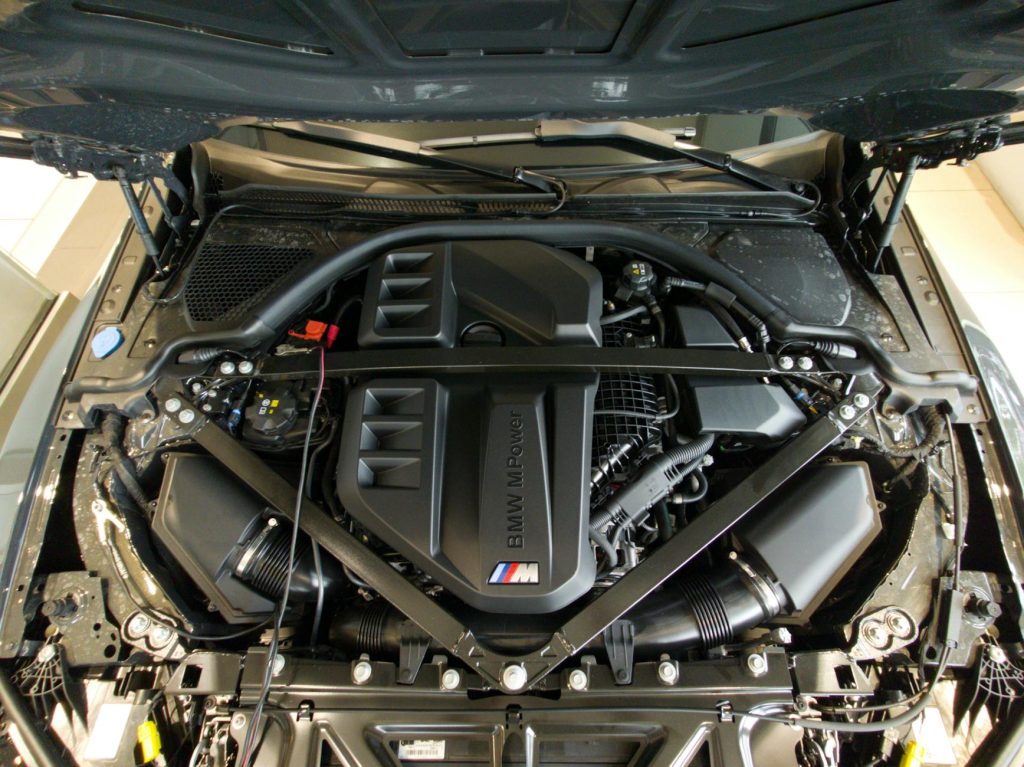
This guide is written for everyday European car owners—BMW, Mercedes, Audi, VW Group, and JLR drivers will recognise many of the same fault patterns. You’ll learn the most common causes, what symptoms to look for, how diagnosis is typically done (including tools like ISTA), and what repairs usually cost in Europe.
🔧 Recommended Professional Tool
BMW N20 Diagnostic & Timing ToolsProfessional tools for BMW N20 engine service
✔ Recommended by automotive technicians ✔ Suitable for BMW, Mercedes, VAG & JLR platforms ✔ Fast international shipping
2. Causes
A flashing check engine light during driving is most commonly tied to misfires under load. On the BMW F30, typical causes include:
Ignition-related causes (most common)
- Worn or incorrect spark plugs (wrong heat range or gap, cheap aftermarket)
- Failing ignition coil(s) (common on N20/N26)
- Moisture/oil contamination in plug wells (valve cover or gasket seepage)
Fuel and air delivery causes
- Failing fuel injector (stuck, leaking, or poor atomisation)
- Low fuel pressure from a weak in-tank pump or high-pressure fuel pump (HPFP) issues
- Vacuum leaks / unmetered air (cracked intake boot, PCV/valve cover system faults)
Turbo/boost and mixture control (common on turbo F30s)
- Boost leak (charge pipe crack, intercooler couplers loose)
- Diverter valve / wastegate control issues causing lean or unstable combustion under load
Sensors and engine management (less common but relevant)
- Faulty MAF/MAP sensor readings leading to incorrect fueling
- Oxygen sensor faults that skew mixture control (usually steady MIL first, but can contribute)
Mechanical causes (important to rule out)
- Low compression on one cylinder (burnt valve, ring issues)
- Timing chain/stretch issues (more of a concern on some N20/N26 histories)
- Carbon buildup on intake valves (more common as mileage rises on direct injection)
3. Symptoms
A blinking check engine light rarely appears alone. Many drivers report:
- Noticeable shaking/vibration at idle or while accelerating
- Loss of power, especially on hills or during overtakes
- Hesitation or stumbling around 1,500–3,000 rpm (typical load range)
- Fuel smell from the exhaust or rough running after cold start
- Traction control/DSC light flickering because the engine isn’t producing smooth torque
- Automatic gearbox (ZF 8HP) behaving oddly, such as holding gears longer due to reduced engine output
If the car goes into limp mode, it may limit boost and throttle response to protect the engine and catalyst.
4. How to diagnose
Step 1: Treat it as urgent
If the light is blinking continuously and the engine runs rough, ease off immediately. Avoid heavy throttle and high RPM. If the car shakes badly, it’s safer to stop and arrange recovery.
Step 2: Read fault codes (don’t guess)
- Use a quality OBD reader for a first pass, but for BMW-specific detail, ISTA is the best route.
- Common misfire codes include:
- P0300 (random/multiple misfires)
- P0301–P0306 (misfire cylinder 1–6)
- Fuel/mixture codes (lean/rich) often appear alongside
ISTA will usually show:
- Misfire counters per cylinder
- Fuel trims (short/long-term)
- High-pressure fuel readings (for direct-injection engines)
- Freeze-frame data (what conditions triggered the fault)
Step 3: Quick checks you can do safely
With the engine off and cool:
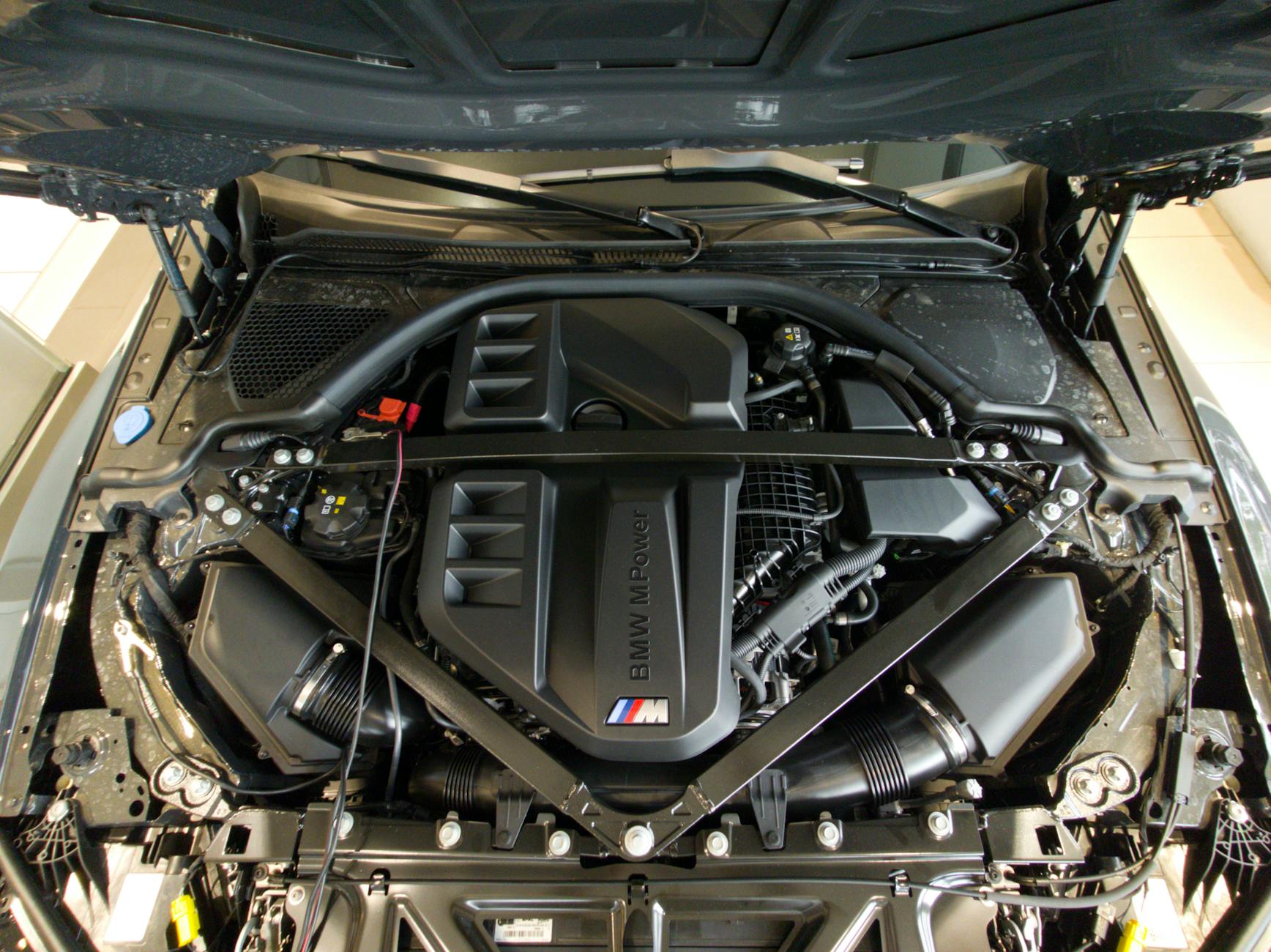
- Inspect the charge pipe and intake connections for splits/loose clamps (common on turbo BMWs)
- Look for oil in plug wells (suggests gasket/cover seepage)
- Check if the issue appeared right after refuelling (bad fuel can trigger misfires)
Step 4: Narrow it down logically
A typical professional workflow:
- Swap ignition coils between cylinders to see if the misfire follows the coil
- Remove and inspect spark plugs (wear, fouling, incorrect gap)
- If ignition checks out, perform injector testing (balance test, leak test) and fuel pressure checks
- If still unresolved, run a compression/leak-down test to rule out mechanical issues
5. How to fix
The right fix depends on what the diagnosis shows. The most common repair paths are:
Replace spark plugs (often due)
On N20/N26 and B48 engines, plugs are a service item and can cause misfires when worn. Use the correct OEM-spec plug type and interval.
Replace one or more ignition coils
If the misfire follows a swapped coil, replace that coil. Many owners replace coils in pairs or as a full set if mileage is high, but it isn’t always necessary.
Fix boost leaks (turbo engines)
A cracked charge pipe or loose coupler can create a lean condition under boost, causing misfires and a flashing MIL. Replacing the pipe with an updated OEM part or a quality upgraded unit is common.
Injector or fuel pressure repairs
If a specific cylinder misfires and ignition is proven good, an injector may be dripping or under-fuelling. Low rail pressure under load can also point to fuel pump issues.
Address vacuum/PCV problems
On some BMW engines, the valve cover-integrated PCV system can fail, causing mixture issues and rough running. Repairing the leak and resetting adaptations in ISTA is often part of the fix.
Mechanical repairs (least common, most expensive)
Low compression or timing-related faults need deeper engine work. Don’t keep driving—catalyst damage can stack costs quickly.
6. Repair costs
Realistic European cost ranges (parts + labour) for a BMW F30:
- Spark plugs (set): €180–€350
- Ignition coil (each): €90–€180; set of 4: €320–€650
- Charge pipe / boost hose repair: €200–€600
- MAF/MAP sensor replacement: €150–€350
- Injector replacement (each, plus coding/adaptation): €350–€750
- High-pressure fuel pump (HPFP): €900–€1,800
- Valve cover/PCV repair: €400–€1,000
- Catalytic converter (if damaged by prolonged misfire): €1,200–€3,000+
- Compression/leak-down diagnostic (workshop test): €150–€350
Prices vary by country, independent vs dealer, and engine variant. Dealers may be higher but often include ISTA test plans and software steps (adaptations/coding) in the process.
7. Prevention tips
- Follow the correct spark plug interval for your engine and driving style (shorter if you do lots of short trips).
- Use quality fuel and avoid running the tank very low repeatedly (harder on fuel pumps).
- Fix small intake/boost leaks early—turbo engines are sensitive to unmetered air.
- Don’t ignore early signs: occasional stumbling, cold-start roughness, or rising fuel consumption.
- After certain repairs (injectors, air leaks), ensure the shop performs adaptation resets in ISTA so the engine management relearns correctly.
8. When to see a mechanic
See a mechanic immediately if:
- The check engine light keeps blinking and the car shakes or lacks power
- You smell strong fuel from the exhaust
- The car enters limp mode repeatedly
- Misfires return soon after replacing plugs/coils
- You have combination faults (misfires + fuel pressure codes + mixture codes)
A competent BMW specialist with ISTA can usually pinpoint the cause quickly, saving money versus trial-and-error parts replacement.
9. Frequently Asked Questions
Frequently Asked Questions
Can I keep driving if the check engine light is blinking on my BMW F30?
It’s risky because a flashing light typically indicates active misfires that can overheat and damage the catalytic converter. If the engine is running rough, reduce speed, avoid heavy throttle, and stop as soon as it’s safe. Arrange diagnostics rather than trying to “drive it out.”
What’s the most common reason for a blinking MIL on an F30?
Ignition issues are the most common: worn spark plugs or a failing coil on one cylinder. Turbo engines can also misfire under load due to boost leaks, which is why a proper scan and inspection matter. Reading cylinder-specific misfire codes helps narrow it down quickly.
Will an OBD scanner be enough, or do I need ISTA?
A basic OBD scanner can show misfire codes, but ISTA provides BMW-specific data like misfire counters, test plans, and adaptation values. That extra detail is especially helpful when the issue isn’t a straightforward coil or plug. For repeated or complex faults, ISTA-level diagnostics saves time and money.
Can a bad injector cause the check engine light to blink while driving?
Yes—an injector that leaks, sticks, or under-fuels can cause a cylinder to misfire, especially under load. This often shows up as a repeated misfire on the same cylinder even after swapping coils and replacing plugs. Injectors may also require coding or adaptation steps after replacement.
Could a gearbox problem (ZF 8HP) trigger a blinking check engine light?
A blinking check engine light is usually engine-related, not a ZF 8HP fault by itself. However, engine misfires can make the gearbox shift differently because torque delivery is unstable. If you also have transmission warnings, both systems should be scanned.