1. Introduction
A timing chain should be a “fit and forget” component, especially compared with a timing belt. Yet owners of the BMW F30 320i with the N20 2.0-litre turbo petrol engine sometimes experience an unsettling timing chain rattle—often most noticeable on cold start or at idle. While a brief noise can be harmless on many engines, the N20’s timing system has known weak points that can turn a rattle into a serious reliability risk if ignored.
Recommended Tool: Professional OBD2 Scanner
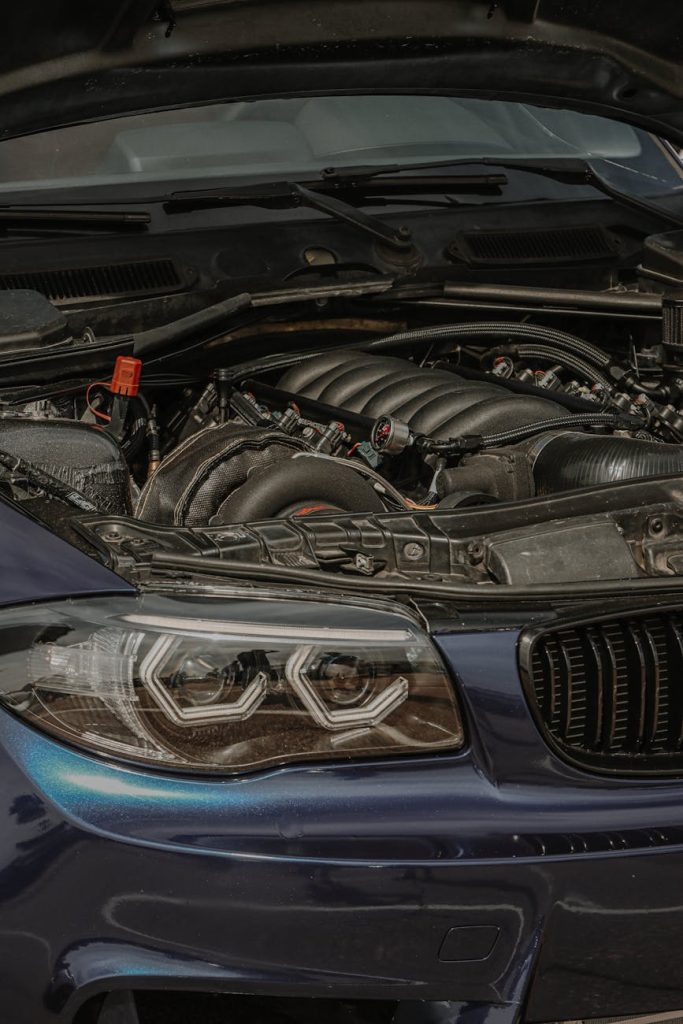
This matters to everyday European drivers because a failed timing chain system can lead to poor running, a breakdown, or in the worst cases internal engine damage. The good news: if you catch it early, repairs can be straightforward and far cheaper than an engine replacement. Below is a practical guide to the causes, how the issue presents, what diagnostics look like (including ISTA where relevant), and what repairs and costs to expect in Europe.
Recommended Tool: Professional OBD2 Scanner
🔧 Recommended Professional Tool
BMW N20 Diagnostic & Timing ToolsProfessional tools for BMW N20 engine service
✔ Recommended by automotive technicians ✔ Suitable for BMW, Mercedes, VAG & JLR platforms ✔ Fast international shipping
2. Causes
Timing chain rattle on the N20 is usually caused by wear or loss of tension in the chain drive system. Common causes include:
- Worn timing chain guides (plastic rails): Over time, the guide surfaces can wear or crack. This increases slack and allows the chain to slap, especially at start-up.
- Weak or sticking timing chain tensioner: The tensioner relies on oil pressure and an internal spring. If it bleeds down while parked or sticks, the chain may rattle until oil pressure builds.
- Chain stretch and sprocket wear: Chains don’t “stretch” like rubber, but pins and rollers wear, effectively lengthening the chain. Worn sprocket teeth accelerate noise and timing drift.
- Oil quality, oil level, and service intervals: Long oil intervals, incorrect oil spec, low oil level, or sludge can worsen tensioner performance and guide wear.
- VANOS system influence: The N20’s variable cam timing (VANOS) can highlight timing control issues when the system struggles to achieve target angles, sometimes linked to chain wear.
- Previous poor repairs: Incorrectly installed chain components, reused stretch bolts, or missed updates can lead to repeat issues.
3. Symptoms
A timing chain rattle doesn’t always sound the same, but owners typically describe one or more of the following:
Recommended Tool: Professional OBD2 Scanner
- Metallic rattle on cold start for 1–3 seconds (sometimes longer)
- Rattling at idle that may fade when revved gently
- Check Engine Light (MIL), often intermittent at first
- Rough idle, hesitation, or reduced performance
- Fault codes related to cam/crank correlation or VANOS position
- Oil pressure warnings in more severe cases (not common, but serious)
If the noise becomes persistent, louder, or starts happening on warm restarts, treat it as urgent.
4. How to diagnose
A proper diagnosis combines listening, checking oil condition, and verifying timing control data. A workshop familiar with BMW will typically do the following:
Initial checks (owner-friendly)
- Confirm oil level and oil spec (BMW LL-01/LL-04 depending on market and recommendations; many N20s run LL-01 in petrol applications—follow the cap/manual).
- Note when the noise occurs: cold start only, hot idle, after long parking, etc.
- Listen from the front/right side of the engine (timing chain area). A mechanic’s stethoscope helps pinpoint chain housing noise versus accessories.
Diagnostic scan (ISTA)
Using ISTA (BMW’s factory diagnostic software), a technician can:
- Read fault codes such as camshaft position plausibility and crank/cam correlation errors.
- Review VANOS actual vs. target angles and adaptation values.
- Check for related issues (misfires, oil pressure plausibility, sensor faults) that can confuse the picture.
Mechanical verification
If symptoms and data suggest timing wear:
- Inspect the chain/tensioner condition as far as accessible.
- In some cases, measure timing alignment using special tools to lock the crank/cams and verify whether timing has drifted.
- Assess for guide debris (plastic fragments) during service work—an important clue.
A key point: simply clearing faults or switching oil rarely fixes a genuine mechanical rattle. It may mask symptoms temporarily, but the wear remains.
5. How to fix
The right repair depends on severity, but for an N20 timing chain rattle, a workshop generally chooses one of these paths:
Replace the timing chain tensioner (limited cases)
If the rattle is brief and no correlation faults are present, some shops start with a new tensioner. This is not a full cure if guides or chain are worn, but it can help when the tensioner is bleeding down.
Full timing chain service (most common “proper” fix)
A comprehensive repair usually includes:
- Timing chain
- Chain guides/rails
- Tensioner
- Sprockets as needed (depending on wear)
- New seals and one-time-use bolts
- Oil and filter service afterward
On many N20s, doing the job correctly means carefully following BMW procedures and verifying timing with the proper locking tools. After installation, the workshop should clear adaptations and confirm cam timing behavior with ISTA.
Address contributing factors
A good repair also includes:
- Checking for oil leaks or consumption issues that could lower oil level.
- Ensuring the correct oil viscosity and specification for your climate and engine.
- Confirming no secondary noises from the serpentine belt system (a failing tensioner pulley can mimic chain rattle).
6. Repair costs
European pricing varies significantly by country, labor rate, and whether you use a BMW dealer or an independent specialist. Below are realistic ranges (parts + labor):
-
Timing chain tensioner replacement only: €250–€550
Best for early, mild cases with no timing-related faults. Not a guarantee if wear is already present. -
Full timing chain kit (chain, guides, tensioner) with seals/bolts: €1,400–€2,800
This is the typical “do it properly” repair at a reputable independent BMW specialist. -
Extended timing repair (including sprockets, extra components, additional oil-related work): €2,200–€3,800
More likely if wear is advanced or if the shop finds additional issues during disassembly. -
If engine damage occurs (worst case): €4,500–€9,000+
This can include cylinder head work, valve damage repairs, or a used/reconditioned engine. At this point, the economics can be painful compared with early intervention.
Always ask for an itemized quote and confirm what’s included (guides, bolts, seals, oil service, diagnostics, and timing verification).
7. Prevention tips
You can’t fully eliminate timing system wear, but you can significantly reduce risk:
- Use high-quality oil that meets BMW approval and choose a sensible viscosity for your climate.
- Shorten oil change intervals: Many owners stick to 10,000–12,000 km or ежегодно (annually), rather than very long intervals.
- Keep oil level correct: Check monthly or every 1,000–2,000 km, especially if the engine consumes oil.
- Avoid repeated cold-start short trips when possible; condensation and fuel dilution degrade oil faster.
- Don’t ignore small noises: A brief rattle today can become a major repair later.
8. When to see a mechanic
Book a professional inspection (ideally with a BMW specialist using ISTA) if:
- The rattle lasts more than a couple of seconds on start-up
- The noise starts happening when warm or becomes frequent
- You get a Check Engine Light or recurring fault codes
- The engine runs rough, misfires, or feels down on power
- You find low oil level repeatedly without a clear reason
Timing issues are not the kind of problem to “monitor for a few months.” Early diagnosis is often the difference between a manageable repair and major engine work.
9. Frequently Asked Questions
Frequently Asked Questions
Is a brief timing chain rattle on cold start always dangerous on the N20?
Not always, but it should be taken seriously on the N20 because the timing system can wear in a way that gets worse quickly. If the rattle is getting longer or louder, or if it comes with fault codes, it’s no longer “normal.”
Can I keep driving if I hear timing chain noise but the car feels fine?
You might be able to drive for a while, but you’re taking a gamble because timing chain components can deteriorate without much warning. Continued driving can increase the risk of timing jump and internal damage, which is far more expensive.
Will an oil change fix timing chain rattle?
Fresh oil can slightly improve tensioner behavior if the old oil was degraded or the level was low. However, if the guides or chain are worn, an oil change won’t remove the underlying mechanical slack causing the rattle.
What fault codes are commonly linked to timing chain wear on the N20?
Workshops often see cam/crank correlation or plausibility faults and VANOS position control deviations. The exact code numbers vary, but ISTA will typically describe them in terms of timing alignment or camshaft control limits.
Should I replace just the tensioner or do the full timing chain kit?
If diagnostics show no timing deviation and the noise is brief, a tensioner may be a reasonable first step. If there are correlation faults, persistent rattle, or evidence of guide wear, the full kit is usually the most cost-effective long-term solution.