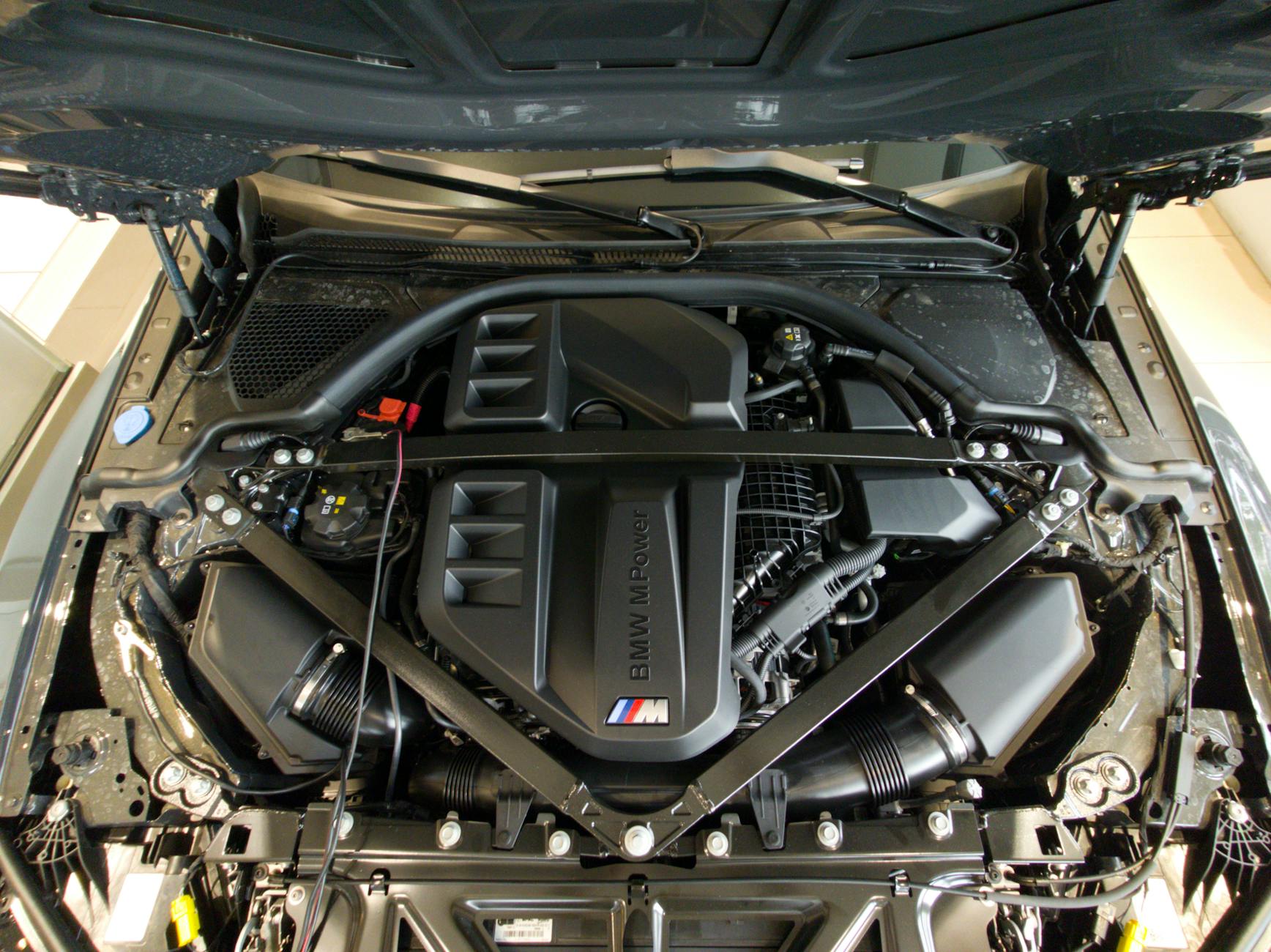
1. Introduction
Seeing “Drivetrain Malfunction” on a BMW F30 320i can be unsettling, especially when the car suddenly feels less responsive or drops into a reduced-power mode. This warning is intentionally broad: it doesn’t mean the gearbox has failed, only that the powertrain control systems (engine, turbocharging, fueling, ignition, emissions, or transmission coordination) have detected a fault that could affect drivability or emissions.
Recommended Tool: Professional OBD2 Scanner
Recommended Tool: Portable Jump Starter
Recommended Tool: Transmission Diagnostic Tools
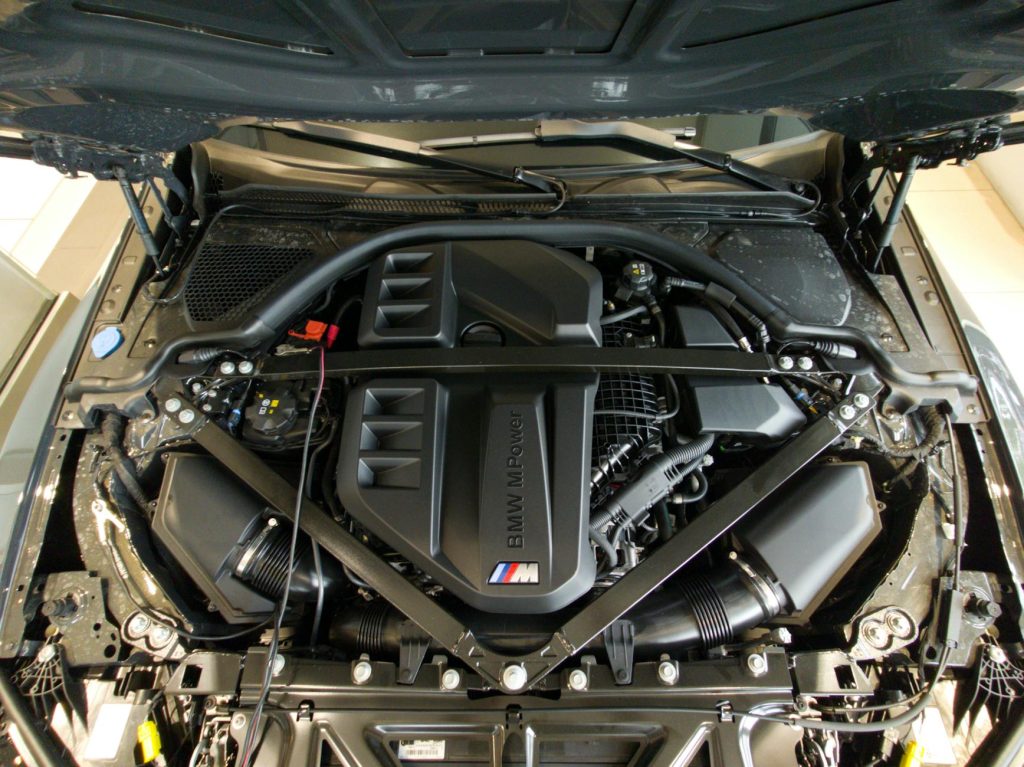
For everyday European car owners—whether you drive BMW, Mercedes, Audi/VW Group, or JLR—the key takeaway is the same: the dashboard message is not the diagnosis. The real information is stored as fault codes and “freeze frame” data in the control units, and on BMW it’s best read with ISTA (factory diagnostic software) or a capable scan tool that can access BMW-specific modules.
🔧 Recommended Professional Tool
BMW N20 Diagnostic & Timing ToolsProfessional tools for BMW N20 engine service
✔ Recommended by automotive technicians ✔ Suitable for BMW, Mercedes, VAG & JLR platforms ✔ Fast international shipping
This article focuses on the BMW F30 320i, most commonly equipped with the N20 2.0 turbo petrol engine (and often the ZF 8HP automatic in many markets). We’ll break down realistic causes, symptoms, diagnosis steps, and what repairs typically cost in Europe.
2. Causes
A drivetrain malfunction on an F30 320i is usually triggered by engine-management issues rather than a mechanical gearbox failure. Common real-world causes include:
Engine and turbo control issues (N20)
- Charge pipe crack or boost leak (very common on N20): unmetered air causes underboost or mixture faults.
- Wastegate control problems (electronic wastegate actuator or linkage wear): can trigger boost control faults.
- Diverter valve (DV) or boost solenoid failure: inconsistent boost, limp mode.
Fuel and ignition
- Ignition coils or spark plugs: misfires under load often trigger drivetrain messages.
- High-pressure fuel pump (HPFP) or low-pressure fuel supply issues: hesitation, long cranks, fault codes for rail pressure.
- Injectors (less common than coils on N20, but possible): misfire and mixture control codes.
Sensors and emissions-related faults
- MAF or MAP/boost pressure sensor drift: incorrect load calculations.
- Oxygen (lambda) sensors: mixture adaptation limits reached.
- VANOS solenoids or cam timing issues: rough running, reduced power.
Transmission coordination (ZF 8HP) and driveline
- Mechatronics adaptation issues or torque intervention events (often secondary to engine faults).
- Drivetrain sensor plausibility faults (rare): can be triggered by low voltage or wiring issues.
Electrical basics
- Weak battery or charging faults: modern BMWs are sensitive to voltage drops, causing multiple spurious faults.
3. Symptoms
A drivetrain malfunction can present in several ways. The most typical symptoms on an F30 320i include:
- Reduced power / limp mode, especially under acceleration
- Check Engine Light (may appear with or after the drivetrain message)
- Misfire feel: shaking at idle, stumbling when pulling away
- Turbo “flat” feeling: poor boost, slow acceleration
- Jerky shifts (often because the engine is limiting torque, not because the ZF 8HP is failing)
- Increased fuel consumption
- Fan running loudly, or the car feeling unusually hot (sometimes linked to sensor plausibility or cooling strategy)
If the car is flashing the engine light or shaking heavily, avoid hard acceleration and address it quickly to prevent catalytic converter damage.
4. How to diagnose
Proper diagnosis is about reading the right codes from the right modules and interpreting them with context. For BMW, ISTA is the gold standard because it includes guided test plans and BMW-specific fault descriptions.
Step-by-step approach
-
Scan all modules (not just the engine ECU)
- Use ISTA (or a high-quality BMW-capable tool) to read fault memory from:
- DME (engine)
- EGS (transmission control)
- DSC (stability/traction)
- FEM/BDC (body module) for voltage-related clues
- Use ISTA (or a high-quality BMW-capable tool) to read fault memory from:
-
Save freeze-frame data
- Note engine load, RPM, boost pressure, fuel trims, and temperature when the fault occurred.
-
Prioritise misfire and boost-related faults
- Misfire faults (often cylinder-specific) typically point to coils/plugs, injector, or fueling issues.
- Underboost/overboost faults point to charge pipe leaks, DV/solenoids, wastegate control, or sensor issues.
-
Do quick physical checks
- Inspect the charge pipe for cracks (especially at the throttle body connection).
- Look for loose clamps, split vacuum lines, and oil mist around boost joints.
-
Use live data and tests
- In ISTA, check:
- Requested vs. actual boost pressure
- Fuel rail pressure (requested vs. actual)
- Misfire counters per cylinder
- Lambda corrections (short/long-term fuel trims)
- Run ISTA activation tests where available (e.g., wastegate actuator test).
- In ISTA, check:
Cross-brand note (for other owners)
Mercedes owners would do a similar process with Xentry, VAG owners with ODIS, and JLR owners with SDD/Pathfinder—the principle is identical: read full-module codes, then confirm with live data and tests.
5. How to fix
Fixes depend on the fault code family and what you confirm during inspection/testing. Typical repair paths:
If it’s misfires (very common)
- Replace spark plugs (correct spec and gap) and swap ignition coils to see if the misfire follows a coil.
- If misfire persists on one cylinder:
- Check injector operation and compression (a workshop test may be needed).
If it’s boost/charge pressure faults
- Replace a cracked charge pipe (many owners upgrade to aluminium).
- Replace the diverter valve or boost control solenoid if tests show erratic control.
- If wastegate control is failing:
- Sometimes the actuator is the issue; other times turbo wear is involved (more costly).
If it’s fueling pressure faults
- Diagnose low vs high side:
- Low-pressure pump/filter issues can starve the HPFP.
- If HPFP cannot maintain pressure under load, replacement may be required.
- After replacement, clear adaptations and re-test under load.
If it’s sensor/adaptation issues
- Clean/replace MAF/MAP only when data supports it (avoid guesswork).
- Address vacuum leaks and intake leaks before condemning sensors.
- Reset adaptations only after fixing the root cause.
If transmission-related codes appear
- Don’t assume the ZF 8HP is “gone.” Many EGS torque intervention faults are secondary.
- If genuine gearbox faults exist, a specialist can check fluid condition, adaptations, and mechatronics function.
6. Repair costs
European pricing varies widely by country and labour rate, but these ranges are realistic for parts + labour:
- Spark plugs (set) + labour: €180–€350
- Ignition coil(s): €80–€140 each fitted (often €280–€550 for a set, depending on brand and labour)
- Charge pipe replacement: €250–€550 (plastic) or €350–€750 (upgraded aluminium)
- Diverter valve / boost solenoid: €200–€450 each installed
- MAF/MAP sensor: €180–€400 installed (only if confirmed faulty)
- VANOS solenoids (pair): €300–€650 installed
- Low-pressure fuel pump: €450–€900 installed
- HPFP (high-pressure fuel pump): €900–€1,600 installed
- Wastegate actuator / turbo control repair: €600–€1,500 (actuator/control side)
- Turbocharger replacement (if required): €1,600–€3,200+ installed
- Battery replacement + registration/coding: €250–€500
Also budget €80–€180 for a proper diagnostic session—often the best money you’ll spend compared with replacing parts blindly.
7. Prevention tips
You can’t prevent every electronic fault, but you can reduce the likelihood of drivetrain malfunction warnings:
- Use quality fuel and keep up with service intervals; turbo petrol engines are sensitive to neglect.
- Change spark plugs on time (and consider earlier intervals if you do short trips or spirited driving).
- Don’t ignore small boost leaks—a slight hiss today can become limp mode tomorrow.
- Keep the battery healthy; low voltage can trigger confusing faults across modules.
- Warm up gently before full boost, and allow cool-down after hard driving to protect turbo components.
- Consider proactive replacement of known weak points (e.g., N20 charge pipe) if mileage is high.
8. When to see a mechanic
Book a professional diagnosis if:
- The car is in limp mode repeatedly or power drops suddenly at motorway speeds.
- The engine light is flashing (risk of catalyst damage).
- You feel strong shaking, smell fuel, or hear loud popping from the exhaust.
- You have recurring boost/fuel pressure faults and basic checks (plugs, coils, charge pipe) don’t resolve it.
- You need coding, adaptation resets, or guided test plans best handled in ISTA.
A good independent BMW specialist with ISTA can usually pinpoint the root cause faster (and cheaper) than trial-and-error parts replacement.
9. Frequently Asked Questions
Why does my BMW F30 320i say “Drivetrain Malfunction” but still drives?
The system often allows limited driving while it protects the engine and drivetrain. You may have reduced power because the DME is limiting torque to prevent damage. The only way to know the cause is to read the stored fault codes and freeze-frame data.
Is a drivetrain malfunction usually the ZF 8HP gearbox failing?
Not usually. On the F30 320i, many drivetrain warnings are triggered by engine issues like misfires or boost control faults, and the transmission simply reacts to reduced engine torque. If you also have harsh shifts or gearbox-specific faults in the EGS module, then it needs deeper transmission diagnosis.
What are the most common fixes for an N20 drivetrain malfunction?
The most common real fixes are spark plugs/coils for misfires and charge pipe replacement for boost leaks. Diverter valves and boost solenoids are also frequent culprits when boost regulation becomes unstable. A proper scan with ISTA helps you avoid replacing parts unnecessarily.
Can I keep driving with the warning on?
If the car feels normal and the warning is not accompanied by a flashing engine light, short gentle driving to a diagnostic appointment is usually acceptable. Avoid heavy acceleration and high speeds because the fault may worsen under load. If it shakes, misfires heavily, or the engine light flashes, stop and arrange recovery.
Will a basic OBD2 reader be enough to diagnose it?
A basic reader may show generic engine codes, but it often misses BMW-specific details and faults stored in other modules. ISTA (or an equivalent BMW-capable tool) provides guided test plans and more accurate fault descriptions. That extra detail can save significant time and money.