1. Introduction
Brake discs (often called rotors) are one of those parts you rarely think about until they start vibrating, squealing, or failing an inspection. For European cars—BMW, Mercedes, Audi, VW Group, and JLR models in particular—brake disc replacement can look deceptively simple: pick the right diameter, bolt them on, and go. In reality, “what fits” is about more than size. Hub bore, offset (hat height), ventilation type, caliper carrier, wear sensor strategy, and even electronic service functions can change what you should buy and how the job is done.
Recommended Tool: Professional OBD2 Scanner
Recommended Tool: Premium Brake Pads
Recommended Tool: Cooling System Diagnostic Tools
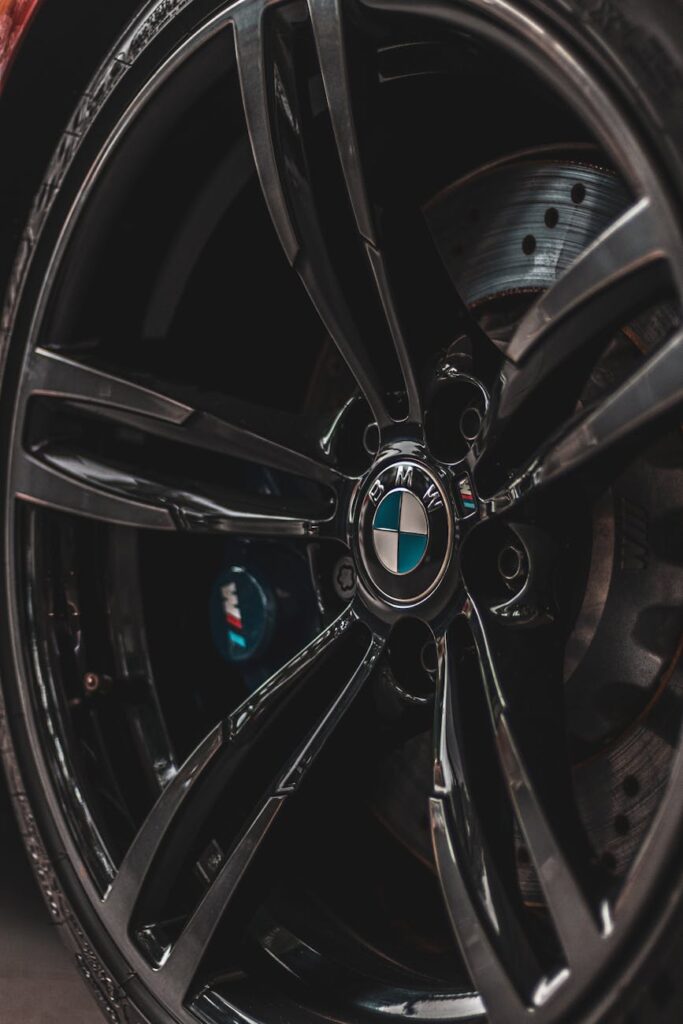
This matters especially on modern platforms with multiple brake options under the same model name. A BMW F30 320i, for example, may use different front disc setups depending on whether it has standard brakes, M Sport brakes, or certain market packages—even if the engine is the same (commonly the N20). The goal of this guide is to help everyday owners understand OEM vs aftermarket brake discs, what actually fits, how to verify before ordering, and what you can expect to pay.
🔧 Recommended Professional Tool
BMW N20 Diagnostic & Timing ToolsProfessional tools for BMW N20 engine service
✔ Recommended by automotive technicians ✔ Suitable for BMW, Mercedes, VAG & JLR platforms ✔ Fast international shipping
2. Causes
People usually replace brake discs for one of these reasons:
- Normal wear: Discs gradually thin as pads wear them down.
- Heat damage: Repeated hard stops or long downhill braking can cause hot spots and disc thickness variation.
- Corrosion: Cars that sit, do short trips, or live in wet/salty climates can develop heavy rust lips and pitting.
- Incorrect parts previously fitted: Wrong offset, wrong disc type (solid vs vented), or mismatched pad material can lead to noise and poor braking.
- Sticking caliper or slide pins: Uneven pad contact overheats one side of the disc.
- Wheel bearing or suspension issues: Play can mimic “warped discs,” but the root cause is elsewhere.
OEM vs aftermarket becomes relevant because some aftermarket discs are excellent (often made by OEM suppliers), while others are built to a price and may be more prone to noise, runout, or faster corrosion.
3. Symptoms
Common signs your brake discs are due (or the wrong discs were installed):
- Steering wheel shake under braking, especially from motorway speeds
- Brake pedal pulsation
- Grinding or scraping noises (often from pad backing plate or severe wear lip)
- Squealing that persists after pad changes
- Longer stopping distances or inconsistent bite
- Visible scoring, cracking, or heavy rust pitting
- Brake warning lights (sometimes from pad wear sensors rather than discs)
On cars with electronic parking brakes (many JLR models, newer VW Group platforms, some Mercedes), rear brake servicing can also trigger warnings if service mode isn’t used correctly.
4. How to diagnose
Before buying discs, confirm the exact brake setup. Avoid guessing based on trim names alone.
Identify what you have
- Check the VIN build data: For BMW, the brake option codes matter (standard vs sport). Mercedes has brake code variations tied to the data card. VAG cars vary by PR codes in the boot/service book.
- Measure the current discs:
- Diameter (e.g., 312 mm vs 330 mm)
- Thickness (new vs minimum spec stamped on disc)
- Hat height/offset (important for caliper alignment)
- Look at the caliper and carrier: Different carriers mean different disc diameter and thickness.
Check for related issues (to avoid blaming the disc)
- Inspect pad wear pattern (inside vs outside).
- Check caliper slide pins for smooth movement.
- Check hub face corrosion (rust here can create lateral runout).
- Check wheel bearing play.
Use diagnostic tools when relevant
Diagnostic tools don’t “measure” disc warp, but they help confirm related faults:
- BMW ISTA: Can read DSC faults, check brake pad wear sensor status, and guide service procedures.
- Mercedes Xentry: Useful for SBC/ESP-related brake faults and service functions on applicable models.
- ODIS (Audi/VW/Skoda/SEAT): Can command electronic parking brake service mode and scan ABS faults.
- JLR SDD/Pathfinder: Helps with EPB service mode and brake module faults.
If you’re doing rear discs on a car with EPB, service mode is not optional—it prevents motor damage and stuck calipers.
5. How to fix
Choosing discs: OEM vs aftermarket
OEM (dealer-branded):
- Pros: Guaranteed correct spec, consistent friction pairing when used with OEM pads, predictable noise performance.
- Cons: Often the most expensive.
Aftermarket (quality brands):
- Pros: Can match OEM quality at lower cost; some are the same manufacturers that supply the factory (e.g., ATE, Brembo, Zimmermann, TRW depending on application).
- Cons: Too many variants; cheaper lines may rust faster, be noisier, or have poorer runout control.
What “really fits” means in practice
For an F30 320i (N20) example, fitment can differ by:
- Disc diameter and thickness (standard vs sport brakes)
- Whether the disc is vented or solid
- Pad shape and wear sensor type
- Dust shield clearance
The safest route is matching:
1) VIN/option code, and
2) the measurements from your existing discs, and
3) reputable brand catalog data.
Replacement overview (what the shop will do)
- Lift vehicle, remove wheel.
- Remove caliper and carrier; support caliper so the hose isn’t strained.
- Remove old disc; clean hub face thoroughly (critical).
- Install new disc; check seating and secure with retaining screw if used.
- Refit carrier, install pads (often replaced together), and fit new wear sensor if applicable.
- Torque bolts to spec; pump pedal; bedding-in procedure.
- If required: put EPB in service mode using ODIS/Xentry/SDD/Pathfinder, then reinitialize.
A good workshop will also check disc runout. Sometimes a perfectly good new disc will “warp” quickly if the hub face is rusty or uneven.
6. Repair costs
Realistic UK/EU-style pricing varies by country and labour rate, but these ranges are typical for mainstream premium European cars.
Front brake discs + pads (per axle)
- Quality aftermarket parts: €180–€420 (discs + pads + sensor if needed)
- OEM parts: €320–€650
- Labour: €120–€280 (about 1.0–2.0 hours depending on model)
- Typical total: €300–€700 aftermarket, €450–€950 OEM
Rear brake discs + pads (per axle)
- Quality aftermarket parts: €160–€380
- OEM parts: €280–€600
- Labour: €140–€350 (EPB systems can add time)
- Typical total: €320–€750 aftermarket, €450–€1,000 OEM
If the car has performance brakes (larger discs, multi-piston calipers) or high-end applications (some AMG/M, RS, or larger JLR models), parts pricing can jump significantly.
7. Prevention tips
- Bed in new brakes properly: A few controlled stops to gradually build heat helps prevent uneven pad deposits.
- Avoid resting your foot on the brake after hard stops: Holding the car stopped with hot brakes can imprint pad material.
- Wash salt off in winter: Corrosion is a major disc killer in northern climates.
- Don’t cheap out on unknown brands: The lowest-cost discs often have poor corrosion protection and inconsistent machining.
- Service caliper hardware: Lubricate slide pins with the correct grease and replace seized hardware.
- Torque wheels correctly: Uneven wheel bolt torque can contribute to runout issues.
8. When to see a mechanic
Book a professional inspection if:
- Vibration persists after new discs/pads (could be hub runout, suspension bushings, or wheel bearings).
- You have ABS/DSC/ESP warnings that don’t clear—scan with ISTA/Xentry/ODIS/SDD/Pathfinder.
- Rear brakes use an electronic parking brake and you don’t have the correct service mode procedure/tools.
- You see cracking, blue heat spots, or severe scoring—safety risk.
- The car has special systems (e.g., Mercedes SBC on certain older models) where incorrect procedures can cause expensive damage.
A competent independent specialist with the right diagnostic platform (ISTA for BMW, Xentry for Mercedes, ODIS for VAG, Pathfinder/SDD for JLR) can verify brake configuration and prevent incorrect parts ordering.
9. Frequently Asked Questions
Do OEM brake discs stop better than aftermarket ones?
Not always. OEM discs are consistent and correctly matched to the car’s brake system, but high-quality aftermarket discs from reputable brands can perform the same in normal road use. The biggest differences tend to be corrosion resistance, noise control, and long-term consistency.
How do I know which brake discs fit my car if there are multiple sizes?
Use the VIN/option codes and physically confirm the current disc diameter and thickness. On VAG cars, PR codes are particularly helpful; on BMW, brake option packages matter even within the same model. If in doubt, a parts supplier can confirm using VIN decoding, or a workshop can measure and match.
Should I replace pads when I replace brake discs?
Yes, in most cases. Old pads can have uneven wear patterns and can transfer material onto the new disc, causing vibration or noise. Replacing discs and pads together is usually the most reliable result.
What causes “warped discs” soon after replacement?
Often it’s not true warping but uneven pad deposits or disc runout caused by rust on the hub face, improper wheel bolt torque, or a sticking caliper. A good installation includes hub cleaning and checking for caliper issues. Proper bedding-in also reduces the risk.
Can I fit larger “sport” brake discs as an upgrade?
Only if you also fit the correct caliper carrier (and sometimes caliper, pads, dust shield, and wheels with enough clearance). Bigger discs aren’t a simple bolt-on if the braking package differs. It’s best to verify the full parts list using VIN option data and a workshop familiar with your platform.