1. Introduction
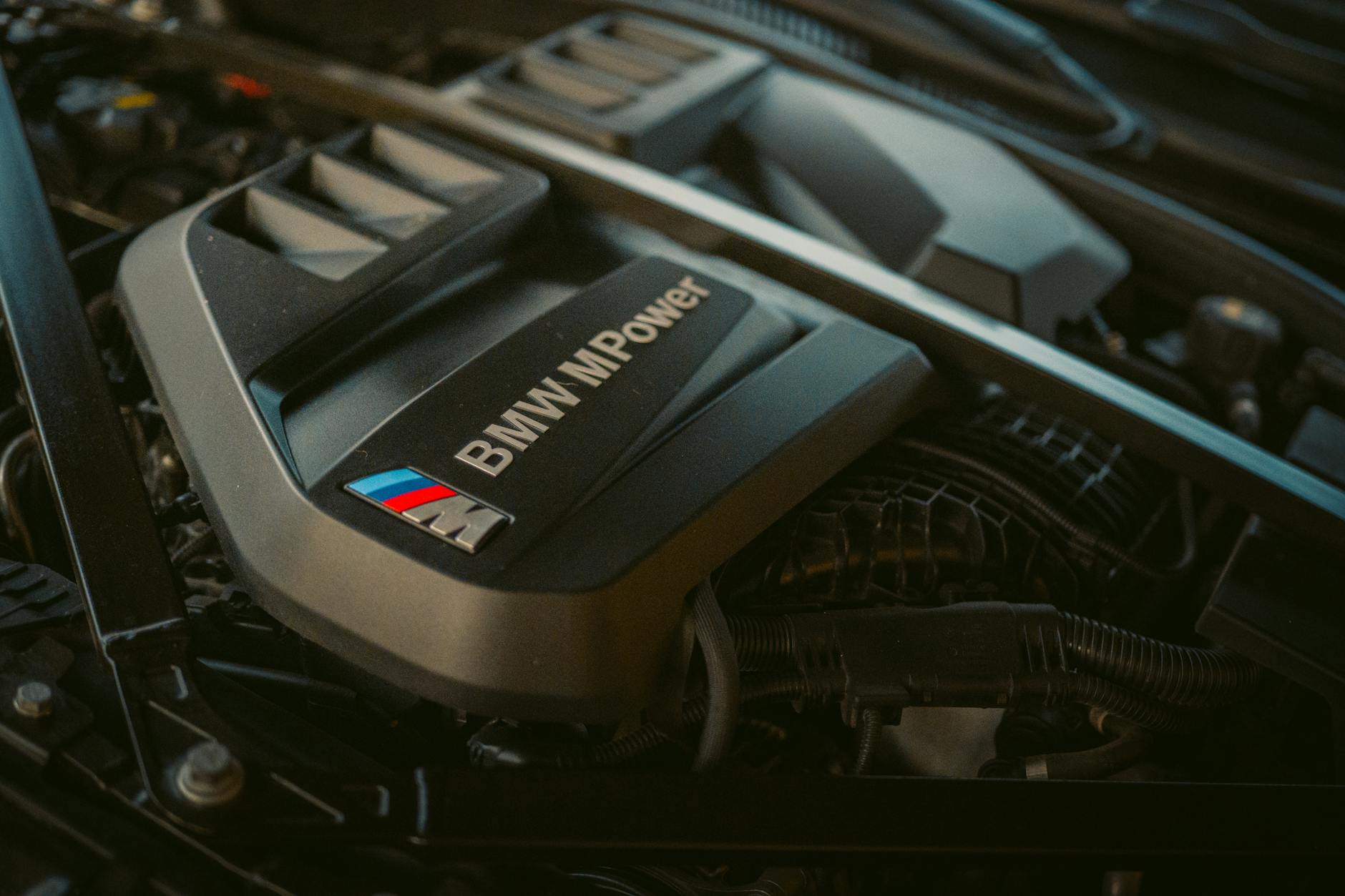
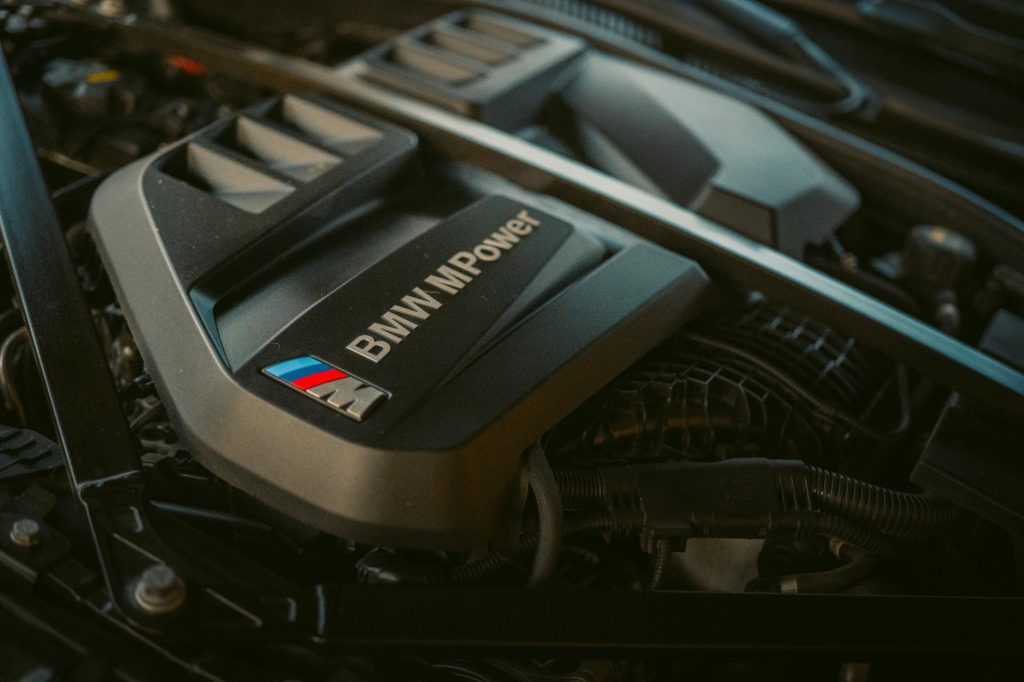
The high-pressure fuel pump (HPFP) is one of the most talked-about weak points on the BMW E92 335i with the N54 3.0 twin-turbo petrol engine. Unlike older port-injected systems, the N54 uses direct injection, which needs very high fuel pressure to start, idle cleanly, and deliver power under boost. When the HPFP begins to fail, the car can go from “perfectly normal” to hard-starting or limp mode with little warning—often at the worst possible time, like a motorway slip road or a cold morning.
Recommended Tool: Professional OBD2 Scanner
Recommended Tool: Portable Jump Starter
This article is for everyday European owners who want to understand what’s happening, what symptoms to watch for, how diagnosis is done (including tools like ISTA), and what a realistic repair looks like in 2026 terms.
Recommended Tool: Professional OBD2 Scanner
🔧 Recommended Professional Tool
Automotive Battery TesterCheck battery health and charging system performance with precision.
✔ Recommended by automotive technicians ✔ Suitable for BMW, Mercedes, VAG & JLR platforms ✔ Fast international shipping
2. Causes
HPFP failure on the N54 is usually not down to one single mistake. It’s typically a combination of wear, fuel quality, and the stresses of a high-output direct-injection system.
Common causes include:
- Internal wear of the HPFP: The pump’s internal piston and valves wear over time, reducing its ability to build and hold pressure.
- Heat and under-bonnet conditions: Turbos and tight packaging mean higher temperatures, which can accelerate degradation.
- Fuel quality and contamination: Poor-quality petrol, water contamination, or debris can damage the pump and pressure control components.
- Weak in-tank low-pressure supply: The HPFP relies on a stable low-pressure feed. A tired low-pressure pump (LPFP) or clogged filter/regulator can starve it.
- Software and adaptation sensitivity: The N54 can be sensitive to marginal pressure control; once pressure deviates beyond thresholds, it will trigger faults quickly.
- Aftermarket tuning increasing demand: Higher boost and aggressive mapping increase fuel volume requirements, exposing a marginal pump earlier.
3. Symptoms
HPFP issues can mimic ignition coil, injector, or sensor faults. The pattern and context (cold starts, hot restarts, load-related cut-outs) often provide the best clues.
Typical symptoms include:
- Long cranking or hard starting, especially when cold
- Stalling shortly after start, then restarting after a few tries
- Rough idle or intermittent misfires that move between cylinders
- Loss of power under acceleration, sometimes sudden
- Limp mode / reduced power warnings
- Engine hesitation at mid-to-high load, especially in higher gears
- Check Engine Light with fuel pressure-related faults
- Fuel pressure plausibility faults even when the car “feels fine” for a while
On the N54, a failing HPFP often shows up as a car that drives normally when gently driven, but struggles under hard acceleration when fuel demand peaks.
4. How to diagnose
A correct diagnosis matters because replacing the HPFP without checking the low-pressure side, injectors, or ignition can lead to expensive guesswork. BMW ISTA (or a quality BMW-capable scanner) makes this much easier because you can view live rail pressure and run guided test plans.
Key diagnostic steps
- Scan for fault codes and freeze-frame data
- In ISTA, look for faults relating to rail pressure control, plausibility, and fuel pressure too low under load.
- Check live data: low-pressure vs high-pressure
- Low-pressure fuel (feed side): should be stable and within spec.
- High-pressure rail: should rise quickly on start and track load demands under acceleration.
- Observe behavior during the fault
- A common pattern is rail pressure dropping during acceleration, followed by limp mode.
- Rule out common look-alikes
- Ignition coils and plugs: Misfire codes alone don’t confirm an HPFP fault.
- Injectors (Index types on N54): Leaking or sticking injectors can cause hard starts and rough running.
- Fuel pressure sensor / regulator: Faulty readings can mimic real pressure problems.
- Check for fuel contamination
- If there’s suspicion of bad fuel, a sample check can prevent repeat failures.
Helpful tools
- ISTA for guided troubleshooting, rail pressure graphs, and adaptation checks
- A BMW-capable scan tool that can show actual vs target rail pressure in real time
- Basic workshop checks: battery condition (slow cranking can complicate diagnosis) and fuel delivery sound/pressure
5. How to fix
Once diagnosis points clearly to the HPFP, the fix is usually straightforward: replace the pump with the latest revision and make sure the supporting fuel system is healthy. However, on the N54, it’s wise to treat this as a “system” repair rather than a single-part swap.
Recommended repair approach
- Replace the HPFP with an updated OEM-quality unit
- Use reputable parts—this is not a component where bargain brands tend to last.
- Check and, if necessary, address the low-pressure side
- If the LPFP is weak, the new HPFP can still struggle.
- Inspect injectors if symptoms suggest leakage
- Hard hot restarts, fuel smell, or sooty plugs can point to injector issues.
- Clear faults and run adaptation/bleed procedures
- ISTA can run fuel system tests and confirm pressure stability after replacement.
- Verify with a road test under load
- Check rail pressure tracking during full-throttle acceleration in a safe environment.
If your E92 is tuned, consider discussing fuel demand with your specialist. Sometimes the “failure” is the pump no longer meeting a higher-than-stock request.
6. Repair costs
Prices vary significantly across Europe depending on labour rates and parts sourcing. The ranges below are realistic for independent specialists; main dealers can be higher.
- HPFP replacement (parts + labour): €900–€1,800
- Parts typically make up the majority of the cost.
- Labour is usually 2–4 hours depending on shop experience and access.
- Diagnosis time (scan + test drive + live data): €80–€200
- Often waived or reduced if you proceed with the repair.
- Optional add-ons (if required):
- LPFP replacement: €350–€800
- Fuel pressure sensor/regulator: €150–€400
- Spark plugs and coils (if misfires present): €250–€600
- Injector-related work (if confirmed): can exceed €1,000–€2,500 depending on how many are needed and calibration requirements
A best-case scenario is a confirmed HPFP fault with no other issues: you’re typically back on the road for around €1,000–€1,400 at a good independent.
7. Prevention tips
You can’t always prevent HPFP wear, but you can reduce the odds of premature failure and catch problems earlier.
- Use quality fuel from reputable stations
- Avoid running the tank very low regularly (helps the low-pressure pump and reduces sediment draw)
- Keep up with spark plugs (misfires increase stress and can complicate diagnosis)
- Address long cranks early
- Early intervention can prevent breakdowns and secondary issues.
- Be cautious with aggressive tuning
- If you want more power, consider supporting fuel upgrades and regular logging of rail pressure.
8. When to see a mechanic
Book the car in promptly if:
- The car struggles to start, especially repeatedly over a few days
- You get limp mode under acceleration
- The engine stalls at junctions or after cold starts
- Fault codes point to rail pressure too low or pressure plausibility
- You smell fuel, see excessive smoke, or the car runs dangerously rough
Choose a BMW specialist who can use ISTA or equivalent and who understands N54-specific issues (injector indexing, pressure targets, and common failure patterns). This avoids swapping parts blindly and saves money.
9. Frequently Asked Questions
Frequently Asked Questions
Can I keep driving with HPFP symptoms on my N54?
It’s risky. If rail pressure drops under load, the engine can suddenly lose power or enter limp mode, which is unsafe during overtaking. Continued driving can also mask related issues like injector leakage or a failing low-pressure pump.
Will an HPFP failure always trigger a check engine light?
Not always immediately. Some cars show long cranks and hesitation before the fault threshold is met and the warning appears. A scan with ISTA can reveal pending or shadow faults earlier than the dashboard light.
Is it definitely the HPFP if I have misfire codes?
No—misfires can come from coils, plugs, injectors, or even low battery voltage affecting start quality. HPFP issues are more likely when misfires coincide with low rail pressure data or power loss under acceleration. Proper live-data diagnosis is the best way to avoid unnecessary parts.
Do I need to replace the low-pressure fuel pump at the same time?
Not automatically. However, if low-pressure readings are unstable or below specification, replacing only the HPFP may not fix the root cause. A good workshop will test the feed side first and advise based on measured values.
Are updated HPFPs more reliable than older versions?
Generally, yes—later revisions improved durability compared with early units. That said, heat, fuel quality, and higher-demand tuning can still shorten lifespan. Buying a quality OEM-equivalent part and confirming correct fuel supply gives the best long-term result.