1. Introduction
The BMW E90 318i with the N46 petrol engine is a common sight across Europe—smooth, economical, and generally dependable when maintained well. One weak point, however, is the Valvetronic system, specifically the Valvetronic motor (also called the eccentric shaft motor). When it starts to fail, the car can feel rough, sluggish, and unpredictable, often with a warning light that seems to come and go.
Recommended Tool: Professional OBD2 Scanner
Recommended Tool: Portable Jump Starter
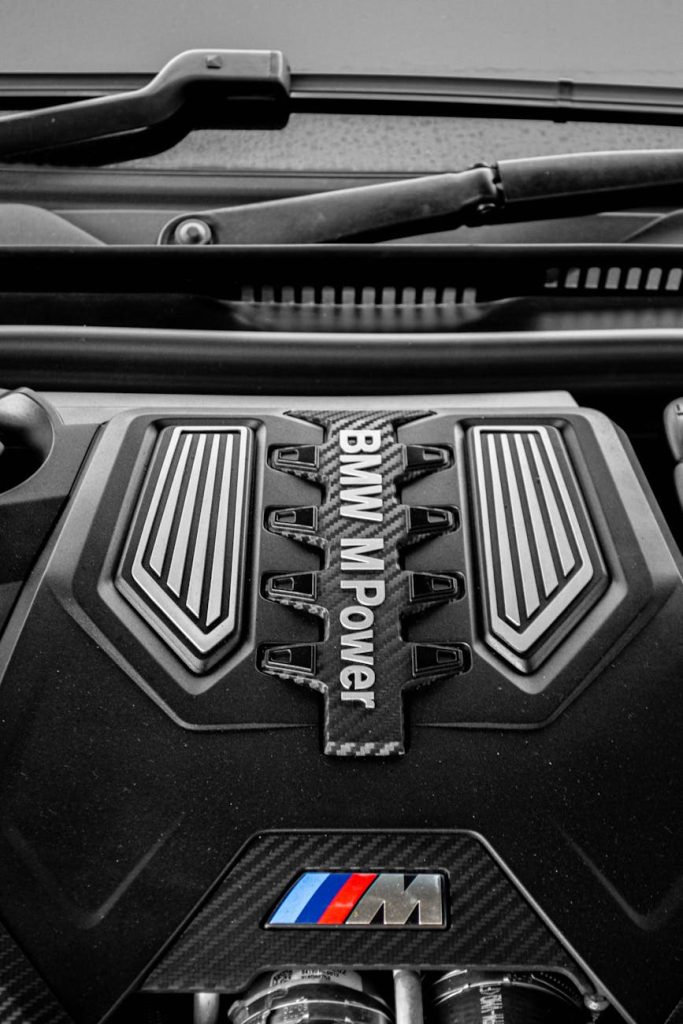
Valvetronic is BMW’s variable valve lift system. Instead of relying mainly on a throttle plate to control airflow, the engine adjusts how far the intake valves open. That improves efficiency and response—until the motor that drives the system can’t keep up. This post explains the most common failure symptoms, what causes them, how to diagnose the issue properly, and what a realistic repair looks like for everyday owners.
Recommended Tool: Professional OBD2 Scanner
🔧 Recommended Professional Tool
Automotive Battery TesterCheck battery health and charging system performance with precision.
✔ Recommended by automotive technicians ✔ Suitable for BMW, Mercedes, VAG & JLR platforms ✔ Fast international shipping
2. Causes
Valvetronic motor problems on the N46 rarely come from a single cause. It’s often a mix of wear, oil-related issues, and electrical faults.
Common causes include:
- Motor wear over time
The Valvetronic motor works constantly. Brushes, bearings, and internal components can wear, especially in higher-mileage E90s. - Oil quality and extended service intervals
The Valvetronic mechanism relies on clean oil. Long oil-change intervals or incorrect oil specs can contribute to sticky movement and higher load on the motor. - Eccentric shaft sensor or eccentric shaft wear
The motor may be fine, but if the eccentric shaft is binding or the sensor provides inconsistent feedback, the system can overload and trigger faults. - Low battery voltage / charging issues
Valvetronic needs stable voltage. Weak batteries, failing alternators, or poor grounds can cause erratic operation and “ghost” faults. - Water ingress or connector corrosion
Less common, but moisture or corrosion at the motor connector or engine harness can cause intermittent faults. - Adaptations not completed after related work
After battery disconnects, sensor replacement, or intake work, adaptations may be incorrect until relearned, which can mimic a failing motor.
3. Symptoms
A failing Valvetronic motor on the BMW E90 318i (N46) tends to produce a consistent pattern of drivability issues. Some symptoms appear only when cold or only under load.
Typical symptoms include:
- Engine warning light (MIL) and stored Valvetronic-related fault codes
- Reduced power / limp-home mode
- Rough idle, misfires, or fluctuating idle speed
- Hesitation on acceleration, especially at low RPM
- Hard starting or extended cranking (sometimes starts then stalls)
- Poor fuel economy compared with the car’s normal baseline
- Unusual mechanical buzzing/whirring from the top of the engine during key-on or shortly after start (not always present)
It’s worth noting that these symptoms can overlap with other common N46 issues (vacuum leaks, ignition coils, crankcase ventilation problems). That’s why diagnosis matters before buying parts.
4. How to diagnose
A good diagnosis combines scan-tool data, electrical checks, and some basic mechanical observation. For BMWs, ISTA/D (or ISTA+) is the most helpful because it shows manufacturer-specific codes, guided tests, and adaptation status.
Scan for fault codes (ISTA recommended)
Using ISTA, look for faults related to Valvetronic operation, such as:
- Valvetronic actuator/motor plausibility faults
- Eccentric shaft position plausibility
- Valvetronic limit stop/adaptation faults
- Power supply/undervoltage codes that may be the real trigger
Generic OBD scanners can show a check engine light, but they often miss the detail needed to separate motor failure from sensor, wiring, or mechanical binding.
Check battery health and charging voltage
Before condemning the motor:
- Test battery state-of-health (especially if older than 4–5 years)
- Confirm alternator output and voltage stability
Low voltage can cause the system to fail its self-check and store misleading codes.
Observe Valvetronic operation and run tests
ISTA can:
- Run the Valvetronic motor test
- Show commanded vs. actual eccentric shaft position
- Perform/reset Valvetronic adaptations
If the motor is sluggish, stalls during the test, or can’t reach learned limits, it strongly points to motor failure or mechanical resistance.
Rule out mechanical resistance
If the eccentric shaft or mechanism is binding, a new motor may not last. A mechanic may:
- Inspect for sludge or poor lubrication signs under the valve cover
- Check the eccentric shaft movement indirectly through test routines
- Compare results before and after adaptation resets
5. How to fix
The correct fix depends on what failed: the motor itself, the sensor feedback, the power supply, or the mechanical components the motor drives.
Common repair paths:
Replace the Valvetronic motor
If tests show the motor is weak or failing:
- Replace the Valvetronic motor with a quality OEM/OE-equivalent part
- Inspect the connector and wiring for heat damage or corrosion
- Perform Valvetronic adaptation / relearn using ISTA after installation
Replace the eccentric shaft sensor (if indicated)
If the motor responds but position feedback is inconsistent:
- Replace the eccentric shaft sensor (and seal if applicable)
- Clear faults and perform adaptations
Address root causes
To avoid repeat failures:
- Fix low voltage issues (battery, alternator, ground points)
- Correct oil service history going forward (proper spec and intervals)
- Repair vacuum leaks or misfires that can complicate diagnosis (coils, plugs, crankcase ventilation)
On the N46, access typically involves work around the top of the engine, and some shops will recommend replacing related seals/gaskets if there are oil leaks.
6. Repair costs
Costs vary across Europe by labour rate, parts quality, and whether additional components are required. Below are realistic ranges for parts + labour.
- Valvetronic motor replacement (N46): €450–€900
Parts typically €200–€450 depending on brand; labour often 2–4 hours. - Eccentric shaft sensor replacement: €300–€650
Parts commonly €120–€250; labour 2–3.5 hours. - Battery replacement (if needed): €150–€350
Includes coding/registration where required. - If mechanical binding or heavy sludge is found: €800–€2,000+
This can involve deeper inspection, additional parts, and more labour; in severe cases it may not be economical versus the car’s value.
A key point: paying for one hour of proper diagnostic time with ISTA is often cheaper than replacing the wrong part.
7. Prevention tips
Valvetronic issues can’t always be prevented, but you can reduce risk and catch problems early.
- Use correct oil specification and sensible intervals
Many owners shorten intervals to 10,000–12,000 km (or annually), especially for short trips. - Keep the battery healthy
If your car struggles to crank or you do many short journeys, test the battery before winter. - Don’t ignore intermittent warning lights
Early faults may be adaptation-related or voltage-related—cheap fixes if caught early. - Fix misfires quickly
Misfires (often coils/plugs on BMW petrol engines) can mask Valvetronic symptoms and complicate diagnosis. - After major work, ensure adaptations are performed
If the battery was disconnected or components were replaced, proper relearn using ISTA helps the system operate correctly.
8. When to see a mechanic
You should book a professional diagnosis if:
- The car enters limp mode or feels unsafe to drive in traffic
- The engine warning light returns soon after clearing
- You have rough idle and stalling, especially at junctions
- There are repeated undervoltage faults and starting issues
- You hear persistent abnormal noises from the top of the engine
A BMW-specialist independent workshop with ISTA is ideal. Dealer-level equipment isn’t always necessary, but correct tooling and experience with the N46 Valvetronic system makes the job faster and more accurate.
9. Frequently Asked Questions
Frequently Asked Questions
Can I drive with Valvetronic motor failure symptoms on an E90 318i?
You may be able to drive short distances if the engine runs smoothly, but performance can drop suddenly and limp mode can trigger without warning. Continued driving can increase fuel consumption and may worsen misfires. If stalling or severe hesitation occurs, it’s best to stop and arrange diagnosis.
Will a generic OBD scanner confirm the Valvetronic motor is bad?
A generic scanner may show basic fault codes, but it often can’t run Valvetronic tests or show adaptation and plausibility details. ISTA provides guided diagnostics and actuator tests that help separate a motor issue from sensor, wiring, or voltage problems. If you’re buying parts, proper BMW diagnostics is strongly recommended.
Is it always the Valvetronic motor, or could it be something else?
It could be the eccentric shaft sensor, low battery voltage, wiring issues, vacuum leaks, or even mechanical resistance in the Valvetronic mechanism. The symptoms overlap with other N46 faults like ignition coils and crankcase ventilation problems. Testing with ISTA and checking voltage stability prevents unnecessary part replacement.
Do I need coding or adaptations after replacing the Valvetronic motor?
Yes—adaptations (relearn/calibration) are typically required so the ECU knows the new motor’s end stops and operating range. This is usually done with ISTA after installation. Skipping this step can cause persistent fault codes and poor running even with a new part.
How long does a Valvetronic motor replacement take?
Most workshops complete it in about 2–4 hours depending on access, seized fasteners, and whether additional seals or sensors are replaced at the same time. Diagnostics time may add an hour if the fault isn’t clear-cut. The car is usually returned the same day.