1. Introduction
A BMW E60 525i that suddenly starts pulling to one side after a brake job is more than just annoying—it can be a safety issue and a clue that something wasn’t assembled correctly, something is sticking, or a suspension/alignment problem has been exposed. Many European cars (BMW, Mercedes, Audi, VW Group, and JLR) are sensitive to brake drag, uneven pad bedding, and small alignment changes, but the E60 chassis in particular can react noticeably because the front suspension geometry and bushings are tuned for precise steering feel.
Recommended Tool: Professional OBD2 Scanner
Recommended Tool: Premium Brake Pads
Recommended Tool: Cooling System Diagnostic Tools
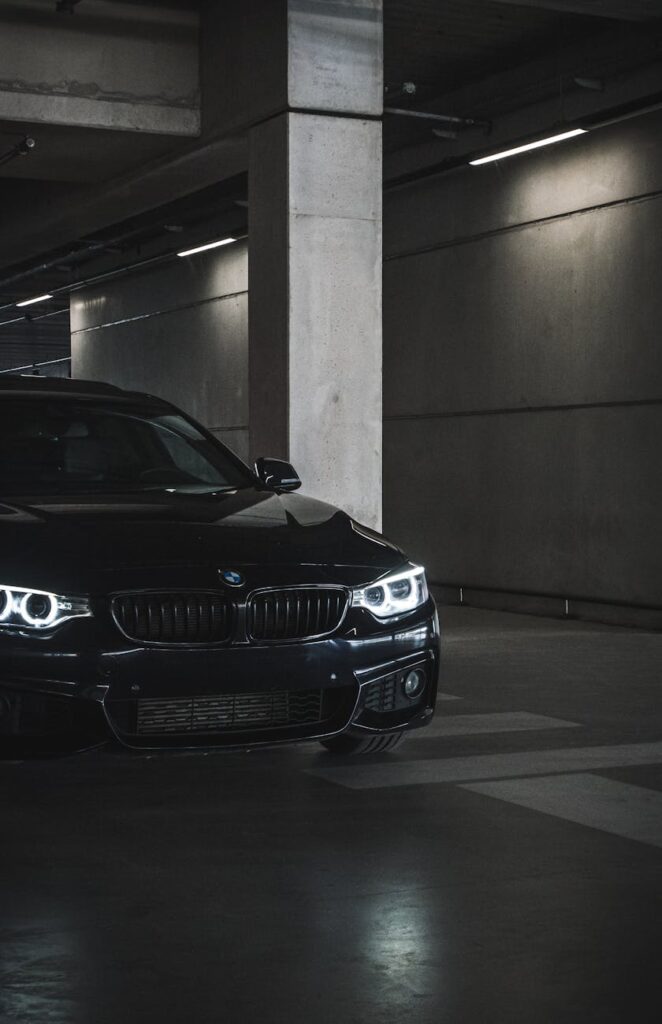
This article focuses on the most common real-world reasons a BMW E60 525i pulls after brake service, how to confirm the cause without guesswork, and what fixes actually work. Even if you drive a Mercedes with an OM651, an Audi with a DSG, or a JLR product diagnosed with SDD/Pathfinder, the logic is very similar: rule out brake drag first, then tires, then alignment/suspension.
🔧 Recommended Professional Tool
Mercedes OM651 Diesel ToolsAdvanced diesel diagnostic tools for OM651
✔ Recommended by automotive technicians ✔ Suitable for BMW, Mercedes, VAG & JLR platforms ✔ Fast international shipping
2. Causes
Brake-related causes (most common)
- Sticking caliper piston or seized slide pins: If one front caliper doesn’t release fully, that wheel drags and the car pulls (often toward the dragging side).
- Incorrectly fitted pads or hardware: Missing anti-rattle clips, wrong pad shape, or pads not seated correctly can cause uneven contact.
- Uneven pad bedding or contaminated friction surfaces: Grease on a pad/rotor, or aggressive braking immediately after installation, can create uneven friction left-to-right.
- Collapsed flexible brake hose: A degraded hose can act like a one-way valve, keeping pressure in one caliper after you release the pedal.
- Uneven rotor thickness (DTV) or poor-quality discs: Budget discs can vary in friction and thickness, causing pull especially during braking.
Wheel/tire-related causes (often overlooked)
- Tire pressure mismatch: Even 0.3–0.5 bar difference side-to-side can cause a drift or pull.
- Tire conicity or internal belt issue: A tire can “steer” the car even if tread looks fine, and it often shows up after other work.
- Wheel bolt torque or wheel not seated: Dirt/corrosion on the hub face can prevent the wheel from sitting flat.
Suspension/alignment causes (brake job can reveal them)
- Front control arm bushings (E60 common wear point): Worn thrust arm bushings can make braking feel unstable and create a pull.
- Alignment out of spec: A small toe/camber difference can feel worse after fresh brakes because the car now stops more decisively.
- Steering angle sensor adaptation not centered (less common): Not typical from a brake job alone, but possible if the car was moved with low voltage or had recent steering work.
3. Symptoms
What you might notice
- Pulls left or right while braking (classic brake drag or friction mismatch).
- Pulls even when cruising (often tire pressure, tire conicity, or alignment).
- Steering wheel off-center after the brake job (alignment shift, subframe movement, or previous misalignment now noticeable).
- Hot wheel smell or heat from one corner after a short drive (dragging caliper or hose issue).
- Vibration under braking (rotor DTV, pad deposits, or hub surface issues).
4. How to diagnose
Step 1: Identify when it pulls
- Test on a flat road:
- If it only pulls while braking, start with calipers, hoses, pads/discs.
- If it pulls constantly, start with tires/pressures and alignment.
Step 2: Quick safety checks at home
- Check tire pressures cold and match left-to-right on the same axle.
- Inspect the wheel hubs and bolts:
- Look for corrosion or debris between wheel and hub.
- Confirm correct torque (BMW commonly 120 Nm for many models; verify for your exact wheels).
Step 3: Heat comparison test (very telling)
After a 10–15 minute drive with minimal braking:
- Carefully compare wheel heat (do not touch the disc directly).
- A much hotter wheel on one side suggests brake drag on that corner.
Step 4: Lifted wheel drag test
With the front end safely lifted:
- Spin each front wheel by hand.
- A healthy brake will have light pad contact, but the wheel should spin relatively freely.
- If one side is hard to rotate or stops quickly, suspect:
- seized slide pins
- sticking piston
- collapsed hose
- incorrectly fitted pads
Step 5: Scan for chassis/ABS clues (optional but useful)
On a BMW, ISTA can show ABS/DSC faults, steering angle plausibility issues, and live wheel speed data. A wheel speed sensor issue usually causes warning lights, but uneven wheel speed signals can sometimes mimic stability corrections. For other brands, similar checks apply using Xentry (Mercedes), ODIS (VW/Audi), or Pathfinder/SDD (JLR).
Step 6: Tire swap test (fast way to isolate tires)
Swap front left and front right tires (or wheels) side-to-side:
- If the pull direction changes, you likely have a tire-related pull (conicity/internal defect).
5. How to fix
Fix 1: Address brake drag first
- Clean and lubricate slide pins with correct high-temp brake grease.
- Replace torn caliper boots or corroded pins/brackets.
- If the piston is sticking, fit a caliper rebuild kit or replace the caliper (often the sensible choice for daily drivers).
Fix 2: Correct pad/rotor installation issues
- Confirm:
- correct pads for the axle
- anti-rattle clips and wear sensor fitted correctly
- pads move freely in the carrier (no binding)
- Clean the hub face and ensure the disc sits flush.
- Re-bed the brakes properly if contamination is not suspected:
- several medium stops from 60–20 km/h with cooling time, avoiding holding the pedal at a stop immediately after heavy braking.
Fix 3: Replace a collapsed brake hose (common on older cars)
If a caliper releases slowly or stays applied:
- Replace the flexible hose on that side (often best to do both fronts as a pair).
- Bleed the system properly; use fresh DOT 4 fluid.
Fix 4: Tire/alignment solutions
- Correct pressures and re-test.
- If tire swap confirms a tire pull, replace the problematic tire (matching axle pair is ideal).
- Get a 4-wheel alignment. On the E60, worn front thrust arms can prevent the alignment from holding, so inspect bushings first.
Fix 5: Suspension refresh if braking stability is poor
If the car wanders or pulls under braking and you feel shimmy:
- Replace front thrust arms/control arms (common E60 fix).
- After parts replacement, do an alignment and reset steering angle calibration if needed (ISTA can assist).
6. Repair costs
Typical European independent workshop pricing (parts + labor). Costs vary by country and parts quality (OE vs aftermarket).
- Caliper slide pin service (one axle): €120–€250
- Replace one front caliper (reman/OE-quality): €250–€550 per side
- Caliper rebuild (if offered): €180–€350 per side
- Front flexible brake hose replacement + bleed: €150–€300 per side (pair: €250–€450)
- Front discs + pads (quality aftermarket): €350–€700
- Front discs + pads (OE/OEM brands): €500–€950
- Brake fluid flush: €80–€160
- 4-wheel alignment: €90–€180
- Front thrust arms/control arms (pair) + alignment: €450–€900
If the issue is simply a tire with conicity:
- One premium tire fitted/balanced: €140–€280 (often best to replace in pairs on the axle: €280–€560)
7. Prevention tips
- Use reputable brake parts (OE/OEM brands) and avoid unknown discs/pads.
- Always clean hub faces and apply a light anti-seize where appropriate (not on friction surfaces).
- Lubricate slide pins and pad contact points correctly (and sparingly).
- Torque wheel bolts to spec and re-check after 50–100 km if recommended.
- Bed in new pads/discs gently and avoid heavy braking for the first 200–300 km.
- Change brake fluid every 2 years to reduce internal corrosion and sticking pistons.
8. When to see a mechanic
Book a professional inspection immediately if:
- The car pulls hard under braking or feels unstable.
- One wheel gets significantly hotter than the others.
- You smell burning, see smoke, or fuel economy drops suddenly (brake drag can overheat components quickly).
- The brake pedal feel changes (soft, sinking, or inconsistent).
- You’re not confident lifting the car safely or bleeding brakes.
A workshop with brand-capable diagnostics (ISTA for BMW, Xentry, ODIS, Pathfinder/SDD) can also confirm whether stability control is intervening due to sensor faults—rare here, but worth checking if warning lights appear.
9. Frequently Asked Questions
Frequently Asked Questions
Why does my BMW E60 525i pull only when I press the brake pedal?
That usually points to uneven braking force left-to-right, most commonly from a sticking caliper, seized slide pins, or contaminated pads/disc on one side. It can also happen if one brake hose is internally collapsed and holding pressure. A heat comparison between front wheels after a short drive is one of the quickest confirmations.
Can new pads and discs cause pulling even if everything is “new”?
Yes. If pad bedding is uneven, a disc has inconsistent friction, or a pad is binding in the carrier, the car can pull despite new parts. Low-quality discs or incorrect hardware installation can also create left-right differences that are most noticeable under light braking.
The car pulls even when I’m not braking—could the brake job still be the cause?
It can be, but constant pulling is more often tire pressure, tire conicity, or alignment. A dragging brake can also cause a constant pull, typically with extra heat and sometimes a burning smell. Swapping front tires side-to-side is a fast way to rule in or out a tire-related pull.
Do I need an alignment after a front brake job?
Not automatically. However, if the car already had marginal alignment or worn front bushings, you may only notice it after the brakes are refreshed and the car stops more sharply. If the steering wheel is off-center or it drifts on a flat road, an alignment check is sensible.
Is it safe to keep driving if it pulls after the brake job?
Light drifting might be manageable short-term, but pulling under braking can indicate a dragging caliper or hose problem that can overheat the brakes and reduce stopping power. If one wheel is much hotter or the pull is strong, avoid long drives and get it inspected. Safety and brake temperatures should take priority over convenience.