1. Introduction
BMWs are known for performance and refinement, but many models share a common weak spot: the cooling system. Your engine produces extreme heat, and the cooling system’s job is to keep temperatures in a safe range. When it fails, the result can be anything from a minor coolant leak to a warped cylinder head and a very expensive repair. The tricky part is that BMW cooling problems often start small—an aging plastic part, a weak cap seal, a slow leak—and then escalate quickly under pressure and heat. Understanding the most common failure points and what to watch for can help you respond early and avoid overheating.
Recommended Tool: Professional OBD2 Scanner
Recommended Tool: Cooling System Diagnostic Tools
🔧 Recommended Professional Tool
Cooling System Diagnostic ToolsProfessional coolant tester and infrared thermometer for accurate overheating diagnosis.
✔ Recommended by automotive technicians ✔ Suitable for BMW, Mercedes, VAG & JLR platforms ✔ Fast international shipping
2. Causes
BMW cooling system failures usually come down to a mix of heat, age, and materials. Many components are plastic or rubber and live in a high-temperature environment. Over time they become brittle, crack, or lose sealing ability.
Recommended Tool: Professional OBD2 Scanner
Common failure points in BMW cooling systems
-
Plastic expansion tank (coolant reservoir)
The tank can crack at the seam, around the level sensor, or at hose connections. This is one of the most common leak sources. -
Radiator end tanks and fittings
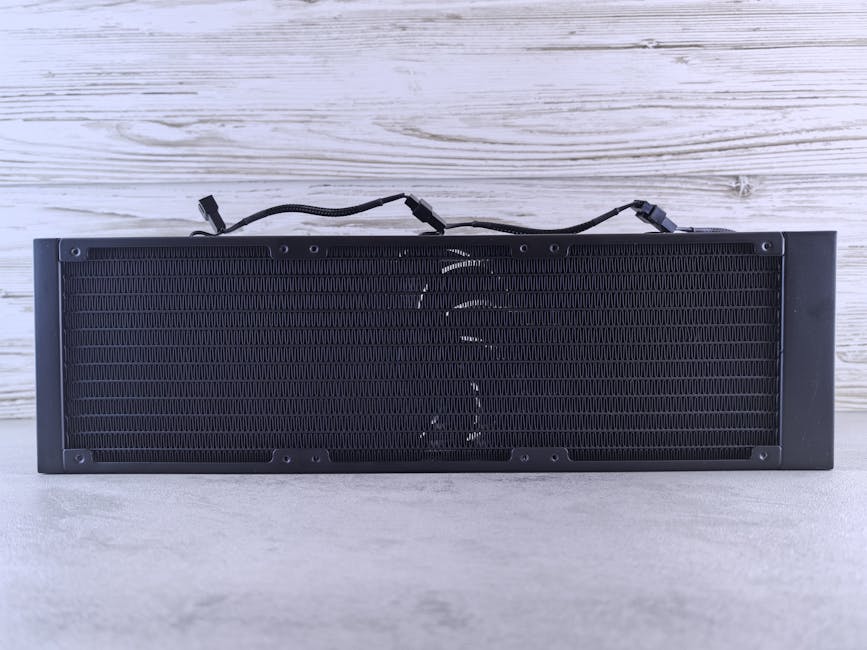
Radiators often have plastic end tanks crimped to an aluminum core. The plastic can crack, or the crimp seal can seep. -
Upper and lower radiator hoses (and quick-connect fittings)
BMW quick-connect ends use O-rings that flatten and harden with age. A hose may look fine but still leak at the connection. -
Thermostat housing and thermostat unit
Thermostats can stick open or closed. Many BMWs use electronically controlled thermostats that can fail electrically or mechanically. -
Water pump (mechanical or electric)
Older models use belt-driven mechanical pumps that can leak from the weep hole or fail at the bearing/impeller. Many newer BMWs use electric water pumps, which can fail suddenly and trigger overheating warnings. -
Coolant cap
A weak cap may not hold proper pressure, which can cause boiling, overflow, or repeated “mystery” coolant loss. -
Bleed screws and small vent lines
Some systems use plastic bleed screws that strip or crack. Small vent hoses can split and cause intermittent leaks.
Why BMWs can be less forgiving
BMW engines are designed to run efficiently at relatively high temperatures, and many are aluminum. Aluminum engines don’t tolerate overheating well. A cooling system that is “mostly working” may be enough for gentle driving but fail under highway speed, hills, hot weather, or stop-and-go traffic.
3. Symptoms
Cooling issues often give hints before a full breakdown. Take these signs seriously, especially if more than one appears.
Early warning signs
- Coolant level dropping over days or weeks
- Sweet smell (coolant odor) after driving
- Small puddle under the front of the car (often passenger side, but it varies)
- White crusty residue around hose connections, reservoir seams, or radiator corners
- Heater not blowing hot consistently (can indicate low coolant or trapped air)
More urgent symptoms
- Temperature gauge rising above normal
- “Coolant temperature” warning messages
- Engine fan running loudly and often
- Steam from the hood or visible coolant spray
- Misfires, rough running, or reduced power after overheating
If you ever see a red overheating warning or the temperature climbs rapidly, treat it as urgent. Driving even a short distance while overheating can cause major engine damage.
4. How to diagnose
You don’t need to be a mechanic to do basic checks safely. The goal is to confirm whether you have a leak, a circulation problem, or an airflow problem.
Step-by-step checks you can do at home
-
Check coolant level when the engine is cold
Use the markings on the expansion tank. If it’s low, top up with the correct BMW-approved coolant mix (many require a 50/50 mix of BMW coolant and distilled water). Don’t open a hot cooling system. -
Look for obvious leak traces
- Wet spots around the expansion tank, radiator corners, hose ends
- Dried residue (white/blue/green crust) on plastic parts and seams
- Coolant on the splash shield under the engine
-
Monitor how quickly the level drops
A slow drop suggests a small leak. A fast drop suggests a larger leak or a failing cap/overflow issue. -
Check cabin heat behavior
- Weak heat at idle can point to low coolant or air trapped in the system.
- Heat that comes and goes can be air pockets or circulation issues.
-
Watch temperature behavior while driving
- Overheats mainly at idle: possible fan issue, low coolant, or airflow blockage.
- Overheats at speed: possible thermostat stuck closed, water pump issue, or restricted radiator.
Helpful diagnostic tools (optional)
- Flashlight and mirror to inspect tight areas
- OBD2 scanner to read BMW-specific temperature data and cooling-related fault codes (especially important on electric water pump cars)
- Cooling system pressure test (often done by shops) to reveal leaks that only show under pressure
If you suspect an electric water pump issue, an OBD2 scan is especially useful because the car often logs faults before complete failure.
5. How to fix
Fixes range from simple to more involved. The key is to avoid partial repairs when multiple parts are the same age.
Common repair approaches
-
Replace leaking plastic components
If the expansion tank is cracked or seeping, replacement is the real fix. Sealants are rarely a good idea for modern BMW cooling systems and can clog passages. -
Replace hoses and O-rings as a set when connections are leaking
If one hose connection is failing, others may be close behind. -
Thermostat replacement
A thermostat stuck closed can cause rapid overheating. A thermostat stuck open can cause slow warm-up and poor fuel economy. Many BMW thermostats are best replaced as a complete unit. -
Water pump replacement
- Mechanical pump: replace pump and often the thermostat while you’re there.
- Electric pump: replacement is more expensive and may require a specific bleeding procedure.
-
Correct bleeding procedure (critical on many BMWs)
BMW cooling systems are sensitive to trapped air. After certain repairs or coolant loss, proper bleeding is essential. Some models use an electric pump bleeding routine that runs via the ignition and heater settings.
What not to do
- Don’t keep driving while topping up repeatedly without finding the cause.
- Don’t mix random coolants unless you’re in an emergency and know they’re compatible.
- Don’t ignore a small leak; pressure and heat can turn it into a sudden failure.
6. Prevention tips
Preventing cooling system failures is mostly about staying ahead of aging parts and keeping coolant in good condition.
Practical habits that help
- Check coolant level monthly (more often in hot weather or before long trips)
- Inspect for residue and dampness around the reservoir, radiator corners, and hose ends
- Replace coolant on schedule using BMW-approved coolant and distilled water
- Consider proactive replacement of known weak parts
If your BMW is in the 60,000–100,000 mile range (varies by model), items like the expansion tank, hoses, thermostat, and water pump may be nearing the end of their typical lifespan.
Driving and usage tips
- Don’t ignore intermittent overheating that “goes away.” That often means low coolant or an air pocket.
- If you tow, drive in very hot climates, or do frequent stop-and-go driving, your cooling system works harder—more frequent inspections help.
7. When to see a mechanic
Some cooling issues are best handled by a professional, especially when there’s risk of overheating or when specialized bleeding and diagnostics are needed.
See a mechanic promptly if:
- You get a red temperature warning or the gauge climbs quickly
- Coolant disappears fast or you find repeated puddles
- You suspect a water pump or thermostat failure
- The heater stops working and the engine runs hot
- You see steam or smell coolant strongly
- You’ve topped up coolant but the problem returns
- Your BMW has an electric water pump and you notice warnings, reduced power, or stored fault codes
A shop can perform a pressure test, check for combustion gases in the coolant (to rule out head gasket issues after overheating), and verify proper coolant circulation and fan operation. The sooner you act, the more likely the fix stays in the “replace a part” category instead of the “repair the engine” category.