1. Introduction
If you drive a BMW 530d (G30) with the B57 3.0‑litre diesel, you may have heard about an EGR cooler recall. It’s not a “nice to have” campaign: on certain diesel engines across Europe, an internal coolant leak in the EGR cooler can lead to deposits in the intake system and, in worst cases, an engine bay fire. BMW’s recall work is designed to identify affected cars, check the EGR system condition, and replace components where needed.
Recommended Tool: Professional OBD2 Scanner
Recommended Tool: Cooling System Diagnostic Tools
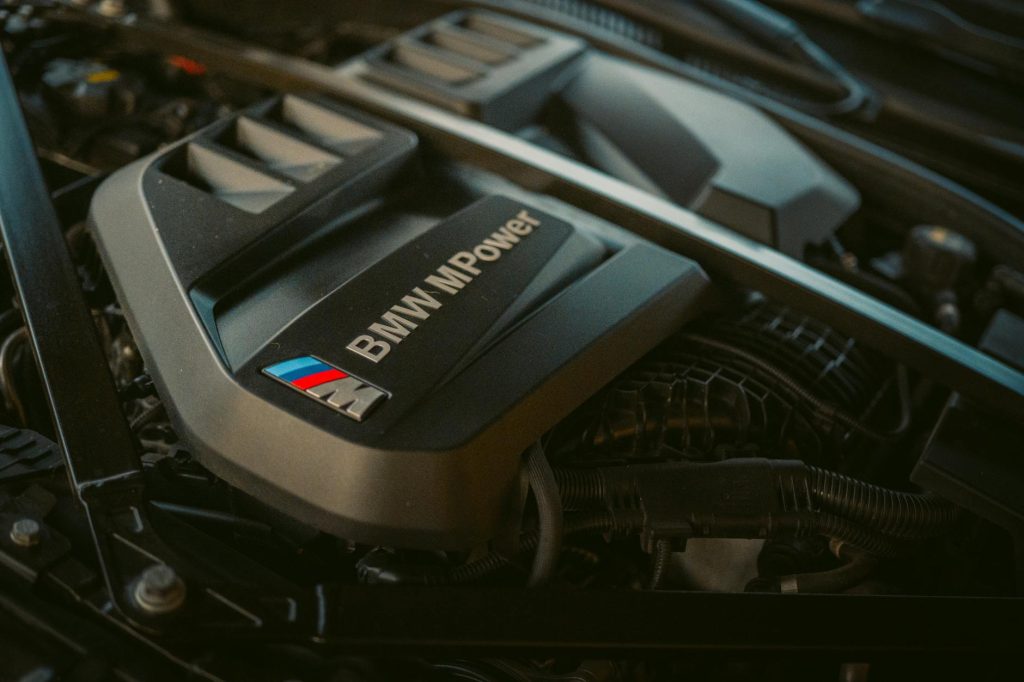
This article explains what the EGR cooler does, why the B57 can be affected, what symptoms to watch for, how you (and a workshop) can diagnose it, and what the real-world repair costs look like if your car is out of warranty or the recall doesn’t cover everything. While the focus is the BMW 530d G30 B57, the same EGR principles apply to many European diesels, such as Mercedes OM651/OM654, Audi/VW 2.0 TDI (EA288) and JLR Ingenium diesels.
Recommended Tool: Professional OBD2 Scanner
🔧 Recommended Professional Tool
Mercedes OM651 Diesel ToolsAdvanced diesel diagnostic tools for OM651
✔ Recommended by automotive technicians ✔ Suitable for BMW, Mercedes, VAG & JLR platforms ✔ Fast international shipping
2. Causes
The EGR (Exhaust Gas Recirculation) system routes a controlled amount of exhaust back into the intake to reduce NOx emissions. The EGR cooler lowers exhaust gas temperature using engine coolant. The recall issue is mainly about what happens when that cooler doesn’t stay perfectly sealed internally.
Common causes and contributing factors include:
- Internal EGR cooler leakage: Coolant can seep into the exhaust side of the cooler, creating sticky deposits (coolant + soot) that build up in the intake tract.
- Soot and carbon accumulation: Short trips, heavy idling, and low-load driving increase soot, stressing the EGR valve and cooler.
- Thermal cycling and material fatigue: Repeated heating/cooling can worsen micro-cracks or sealing weaknesses in the cooler core.
- Crankcase breather oil vapour: Normal oil mist mixes with soot and any coolant residue, forming sludge that can restrict airflow.
- Software/operating strategy: On modern diesels, EGR rates can be high in certain temperature/load windows; this can accelerate deposit formation.
3. Symptoms
Some cars show clear warning signs, others don’t—especially early on. Watch for:
- Coolant level slowly dropping with no visible external leaks
- Sweet, “coolant-like” smell after driving, sometimes noticeable near the front of the car
- White or greyish smoke/steam from the exhaust (more than normal condensation)
- Rough cold start, hesitation, or uneven idle
- Reduced power / limp mode under load
- Engine warning light and stored faults related to EGR flow, intake pressure, or combustion irregularities
- Visible residue in the intake/EGR area if inspected (workshop job)
Important: a sudden coolant loss, strong smell, or smoke should be treated as urgent. Don’t continue long motorway runs “to clear it out”—that can make things worse.
4. How to diagnose
For owners, the first “diagnostics” are simple checks and good documentation. For workshops, proper scan tools and pressure testing matter. BMW dealers and many specialists use ISTA; independent diagnostics may use high-end multi-brand tools, but ISTA remains the reference for recall verification and guided test plans.
Owner checks (no tools)
- Check coolant level weekly for a few weeks (engine cold, correct procedure). Note any consistent drop.
- Look for external leaks around the expansion tank, hoses, radiator area. If none are present but coolant drops, suspicion increases.
- Observe exhaust smoke: persistent white smoke when warm can suggest coolant ingestion.
- Check for drivability changes: new hesitation, roughness, or reduced fuel economy.
Verifying recall status
- Use BMW’s recall checker for your country (enter VIN), or contact a dealer. Recalls can be market-specific and VIN-specific.
- Ask for the campaign number and what actions are included (inspection only vs. replacement).
Workshop diagnostics (recommended)
A competent workshop will typically:
- Scan the DDE (diesel ECU) with ISTA and check for EGR-related faults and adaptations.
- Perform a cooling system pressure test to see if pressure drops over time.
- Inspect EGR/intake tract (often with borescope) for wet deposits or unusual sludge.
- Check DPF/regen history: frequent regens can indicate upstream issues and excess soot loading.
For context across other brands: Mercedes uses Xentry, VAG uses ODIS, and JLR uses Pathfinder/SDD for guided diagnostics and campaign checks.
5. How to fix
The correct repair depends on what the inspection finds and whether the car is within the recall scope.
If the car is included in the recall
- Dealer inspection: BMW typically checks the EGR cooler and related components for signs of leakage or deposit build-up.
- Replacement if needed: The EGR cooler may be replaced, sometimes alongside associated pipes, seals, and in certain cases the EGR valve or intake components depending on contamination.
- Software update: Some campaigns include updated engine management software to adjust EGR operation or monitoring logic.
If the car is not covered (or contamination is extensive)
A specialist repair plan may include:
- EGR cooler replacement (most common corrective action)
- EGR valve cleaning or replacement if sticking or heavily carboned
- Intake manifold cleaning (or replacement if swirl flaps/ports are heavily restricted)
- Charge air path inspection: intercooler hoses and the intake pressure sensor (MAP) may need cleaning
- Coolant flush and correct refill/bleed to eliminate contamination and air pockets
On the B57, access and labour time can vary by equipment level and packaging. The goal is not just to “swap the cooler” but to ensure the intake system isn’t left with flammable deposits and that coolant loss is resolved.
6. Repair costs
Costs vary significantly by country, labour rates, and whether it’s handled as a recall. Below are realistic European out-of-pocket estimates (parts + labour) at an independent specialist; main dealer pricing can be higher.
- EGR cooler replacement (B57): €900–€1,800
(parts typically €450–€1,000; labour 3–6 hours depending on access and scope) - EGR valve replacement (if required): €350–€900
(parts €200–€600; labour 1–2.5 hours) - Intake manifold removal & cleaning: €400–€1,000
(labour-heavy; may be combined with EGR work) - Intake manifold replacement (if needed): €700–€1,600
(parts vary widely; labour 3–6 hours) - Cooling system pressure test & diagnostic time: €80–€180
If your car is confirmed in the recall and BMW authorises the repair, you should not be paying these amounts for the recall work itself. However, if unrelated issues are found (e.g., a cracked expansion tank), that may be quoted separately.
7. Prevention tips
You can’t “prevent” a manufacturing defect, but you can reduce soot loading and catch problems early:
- Avoid repeated short trips when possible: Give the engine a longer run weekly so it reaches stable temperature.
- Use quality fuel and stick to a sensible service interval (many owners reduce long-life intervals).
- Keep an eye on coolant level and investigate any drop early.
- Don’t ignore DPF/EGR warning lights: EGR issues can snowball into intake restriction and turbo stress.
- After repair, confirm proper bleeding: Air pockets can cause overheating or erratic coolant readings.
8. When to see a mechanic
Book a workshop visit (or dealer recall appointment) promptly if you notice any of the following:
- Coolant level drops repeatedly with no external leaks
- Persistent white smoke when the engine is warm
- Strong sweet smell after driving
- Engine light, limp mode, or rough running
- Any sign of overheating or “low coolant” warnings
If you suspect a serious coolant leak or smell burning, stop driving and arrange recovery. It’s not worth the risk on a modern diesel with hot exhaust components and tightly packaged engine bays.
9. Frequently Asked Questions
Frequently Asked Questions
How do I check if my BMW 530d G30 is affected by the EGR cooler recall?
Use your VIN with BMW’s official recall checker for your country or call a BMW dealer service department. Ask them to confirm open campaigns and what the inspection includes. If you service at an independent, they can still advise, but only BMW can officially process recall work.
Is it safe to keep driving if I’m losing a small amount of coolant?
A slow coolant loss can still indicate an internal leak, and the risk increases as deposits build up. If the level is dropping between checks, avoid long high-load trips and book diagnosis quickly. If you get a low-coolant warning or see smoke, stop driving and arrange recovery.
Will a software update alone fix the problem?
Software can improve monitoring and adjust EGR strategy, but it cannot repair an EGR cooler that is leaking internally. If the cooler core is compromised, it needs replacement. A proper fix is based on inspection results, not just fault codes.
What fault codes might appear with an EGR cooler issue on the B57?
Codes vary by diagnostic tool and software version, but often relate to EGR flow plausibility, boost pressure plausibility, combustion misfire irregularities, or DPF regeneration frequency. ISTA test plans help confirm whether the issue is flow restriction, valve control, or suspected coolant loss. A pressure test and visual inspection are usually needed for certainty.
Can this problem affect other brands like Mercedes, Audi/VW, or JLR diesels?
Yes, EGR coolers and valves can suffer from soot build-up and, in some cases, internal leaks on many modern diesels. The diagnostics differ (Xentry for Mercedes, ODIS for VAG, Pathfinder/SDD for JLR), but the symptoms—coolant loss, smoke, rough running, EGR faults—are broadly similar. Recalls and coverage depend on brand, engine family, and VIN.