1. Introduction
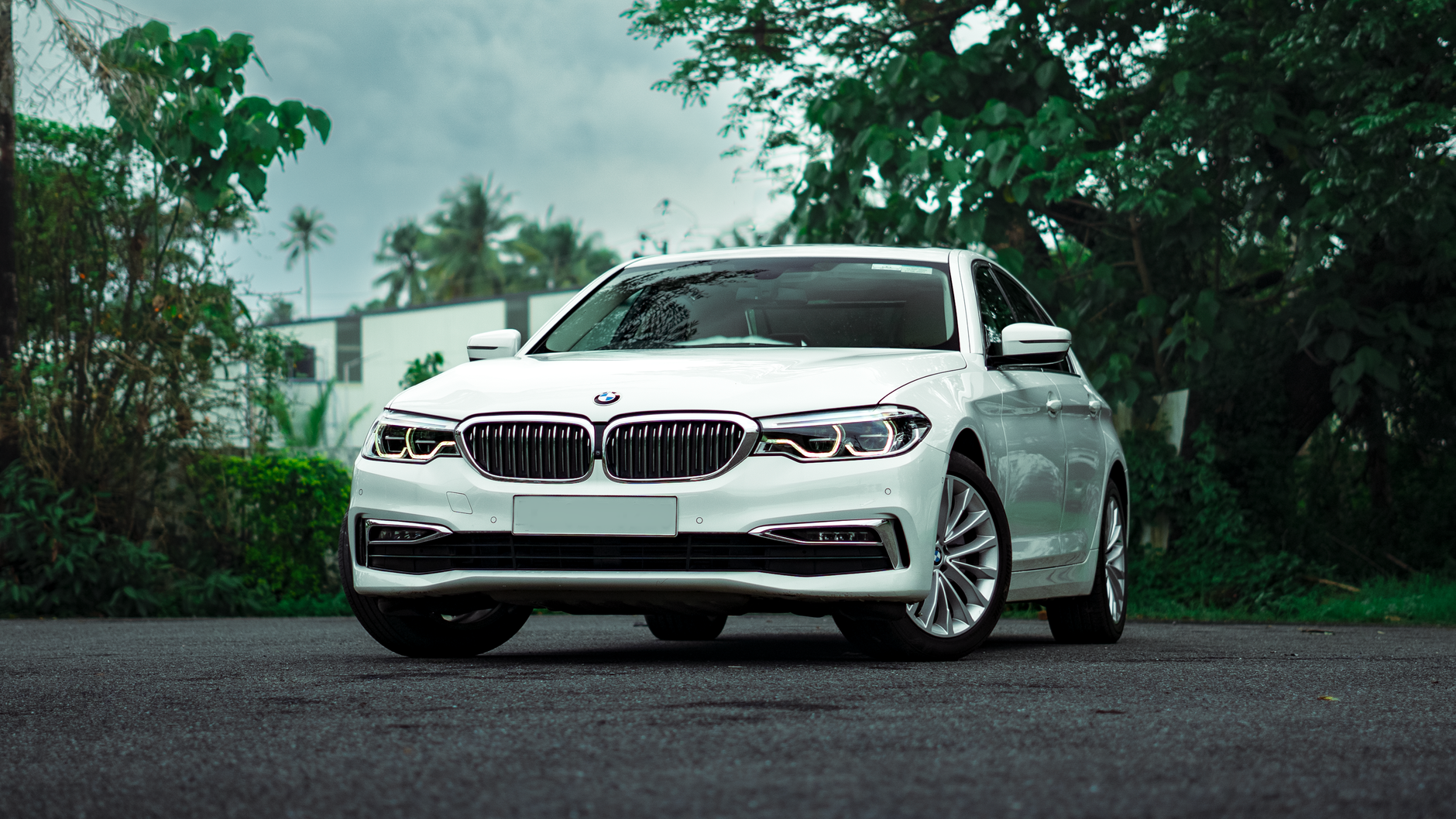
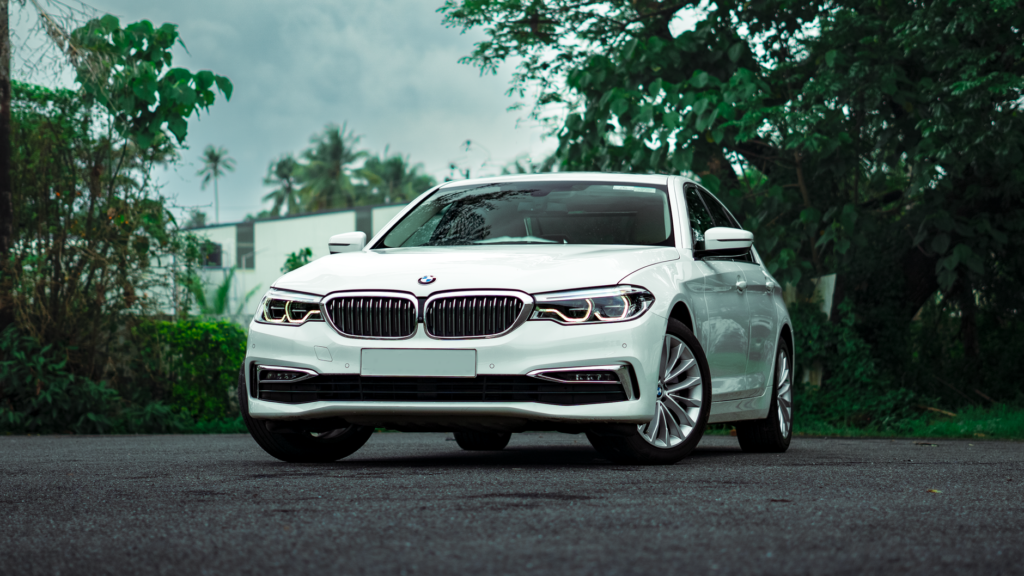
The BMW 5 Series (F10, 2010–2017) is one of the most popular executive saloons in Europe, and many are now well into the mileage range where suspension wear becomes a real talking point. A suspension overhaul doesn’t mean the car is “finished” — it usually means the consumable parts that keep the car stable, quiet and predictable have reached the end of their service life. Because the F10 was sold with several suspension setups (standard, M Sport, Adaptive Drive/EDC, rear air suspension on Touring models, and xDrive variants), the right approach depends on your exact specification.
Recommended Tool: Professional OBD2 Scanner
Recommended Tool: OEM Suspension Components
For everyday owners, the goal is simple: restore the tight, confident feel without wasting money replacing parts that aren’t actually worn. This guide explains why F10 suspension components fail, what symptoms to look for, how diagnosis typically works (including BMW ISTA where relevant), what a sensible repair plan looks like, and realistic costs across Europe.
Recommended Tool: Professional OBD2 Scanner
🔧 Recommended Professional Tool
BMW N20 Diagnostic & Timing ToolsProfessional tools for BMW N20 engine service
✔ Recommended by automotive technicians ✔ Suitable for BMW, Mercedes, VAG & JLR platforms ✔ Fast international shipping
2. Causes
Suspension wear is mostly mileage- and road-condition driven, but the F10 has some predictable weak points:
- Rubber bushing ageing: Control arm and thrust arm bushings harden and crack over time, especially with heat cycles and salt exposure.
- Poor road surfaces: Potholes and speed bumps accelerate wear in ball joints, top mounts and dampers.
- Heavy front end on some models: Six-cylinder cars (e.g., N55, N57) can be harder on front components than lighter four-cylinders (N20).
- Wheel and tyre choices: Large wheels (18–20") and run-flat tyres transmit more impact into joints and mounts.
- Adaptive dampers and air systems: EDC dampers and rear air suspension add complexity; leaks or electronic faults can mimic “normal wear.”
- Previous alignment issues: Driving with incorrect toe/camber can rapidly wear tyres and overload bushings.
3. Symptoms
A worn F10 suspension usually announces itself in a few familiar ways:
Common driving symptoms
- Steering shimmy or vibration at 80–120 km/h, often worse under light braking
- Clunking or knocking over small bumps (front or rear)
- Floaty ride, excessive bouncing, or “wallowing” in fast corners
- Wandering on the motorway; constant small steering corrections needed
- Uneven tyre wear (inner edges are common if alignment is off)
Sounds and feel
- Dull thud when pulling away or braking (often thrust arm bushings)
- Squeaks or creaks at low speed when turning (top mounts or ball joints)
- Rear-end “stepping” on uneven roads (rear bushings or shocks)
Warning lights (when equipped)
- Chassis/suspension warnings on Adaptive Drive/EDC cars
- Rear self-levelling warnings on Touring models with air suspension
4. How to diagnose
A proper diagnosis combines a road test, visual inspection, and (on equipped cars) electronic checks. If you’re assessing a garage’s quote, these are the steps that separate guesswork from a correct repair plan.
Road test (10–15 minutes)
A technician should:
- Test braking from 100 km/h to feel for steering shake
- Drive over rough surfaces at low speed to identify clunks
- Load/unload the suspension with gentle slaloms to check body control
Visual and mechanical inspection
On a lift, they’ll typically check:
- Front thrust arms (tension struts): bushings split or fluid-filled bushings leaking
- Lower control arms: play in ball joints, torn boots
- Anti-roll bar links: looseness that causes rattles
- Top mounts and bearings: cracks, noisy rotation
- Rear links and bushings: play that affects stability and tyre wear
- Dampers: oil leaks, damaged dust boots, broken bump stops
- Touring rear air: air spring cracks, compressor strain, leaking lines
A simple “shake test” isn’t enough on modern cars; many F10 bushings only show issues when the arm is loaded. A good shop uses pry bars and checks at normal ride height where appropriate.
Electronic checks (ISTA)
For cars with adaptive suspension, BMW ISTA can:
- Read fault codes for EDC/Adaptive Drive sensors and damper valves
- Check ride height sensors (important on self-levelling setups)
- Run guided tests to confirm whether the issue is mechanical (worn parts) or electronic (sensor/actuator faults)
This is similar in concept to how Mercedes owners would use Xentry, VAG owners ODIS, or JLR owners SDD/Pathfinder to separate chassis faults from basic wear.
5. How to fix
A suspension overhaul should be planned, not random. Replacing one worn part while leaving closely related components can waste money because the remaining worn parts quickly ruin the “new” feel.
Step 1: Decide the scope (front, rear, or full)
- Front-focused refresh is common first: thrust arms + control arms + drop links, then alignment.
- Rear refresh is often needed if tyre wear or instability is present.
- Full overhaul makes sense above ~150,000–200,000 km, especially with mixed symptoms.
Step 2: Match parts to your suspension type
- Standard/M Sport: conventional dampers and springs; straightforward.
- EDC/Adaptive: dampers are expensive; avoid replacing them without confirming failure.
- Touring rear air: consider air springs in pairs; check compressor health.
- xDrive: alignment and component quality matter even more due to driveline sensitivity.
Step 3: Replace in logical sets
Common “best value” sets include:
- Front thrust arms (pair): often the biggest improvement in braking stability and steering feel
- Front lower control arms (pair) if ball joints show play
- Anti-roll bar links (front/rear) if noisy or loose
- Top mounts and bearings when replacing front dampers
- Rear trailing/guide links when rear feels loose or tyres wear unevenly
After any significant work: four-wheel alignment is non-negotiable.
Step 4: Don’t ignore tyres and wheels
A suspension rebuild won’t feel right if:
- tyres are cupped or unevenly worn
- wheels are buckled
- incorrect tyre pressures are used (especially with run-flats)
6. Repair costs
Costs vary by country, labour rates, and whether you choose OEM, OEM-equivalent, or budget parts. Below are realistic European ranges (parts + labour):
Front axle refresh (most common)
- Thrust arms (pair) + labour + alignment: €500–€950
- Add lower control arms (pair): €850–€1,500 total
- Drop links (pair): add €120–€250
Dampers and mounts
- Front dampers + top mounts (standard/M Sport): €900–€1,600
- Adaptive/EDC dampers (front pair) with coding/calibration where needed: €1,800–€3,200
Rear suspension
- Rear links/bushings refresh + alignment: €500–€1,200
- Rear dampers (standard): €600–€1,200
- Touring rear air springs (pair): €700–€1,400
- Compressor replacement (if required): add €600–€1,200
Full overhaul (front + rear)
- Typical total for a well-sorted non-adaptive car: €1,800–€3,500
- With adaptive dampers and/or air suspension issues: €3,000–€6,000
These figures assume a reputable independent specialist. Main dealers can be higher, especially for adaptive systems.
7. Prevention tips
You can’t stop suspension wear, but you can slow it and catch issues early:
- Avoid potholes and kerbs where possible; impacts are what kill ball joints and bend rims.
- Check tyre pressures monthly; underinflation increases suspension stress.
- Rotate tyres and watch wear patterns; unusual wear is an early warning.
- Get alignment checked after big pothole hits or if the steering wheel is off-centre.
- Replace parts in pairs (left/right) to maintain balanced handling.
- On Touring air suspension, listen for the compressor running often — frequent cycling suggests a leak.
8. When to see a mechanic
Book a professional inspection if:
- you feel steering shake under braking (safety-related)
- there’s persistent knocking, especially at low speeds
- the car feels unstable in rain or crosswinds
- a suspension/chassis warning light appears on adaptive or self-levelling systems
- tyres are wearing unevenly despite correct pressures
If your car has EDC/Adaptive Drive or rear air suspension, choose a garage that can use ISTA and understands BMW chassis setups. The right diagnosis is often the difference between a targeted €700 fix and an unnecessary €3,000 parts cannon.
9. Frequently Asked Questions
Frequently Asked Questions
Should I replace just the front thrust arms or do more at the same time?
If you have braking shimmy or vague steering, thrust arms are often the main culprit and can be done first. However, if ball joints or other bushings show play, replacing only one set can leave you with persistent noise or handling issues. A good inspection will tell you whether a front “package” makes more sense.
Do I need to replace adaptive (EDC) dampers during an overhaul?
Not automatically. If ISTA shows no damper valve faults and there are no leaks or damping issues, you can often refresh arms, links and mounts without touching the EDC dampers. Replace adaptive dampers when there’s confirmed failure, significant leakage, or clearly degraded damping performance.
Will a suspension overhaul fix uneven tyre wear?
It can, but only if the underlying cause is corrected and the car is aligned afterward. Worn rear links and front control arm bushings commonly shift toe and camber under load, which chews tyres. If the tyres are already badly worn or cupped, you may still need new tyres to feel the full improvement.
Is it safe to drive with knocking suspension for a while?
Light noise isn’t always immediately dangerous, but it’s a warning that something is loose or worn. Ball joint play or severely cracked bushings can worsen quickly and affect braking stability and steering control. If the knock is loud, getting worse, or paired with vibration, reduce driving and get it inspected soon.
Do I need coding or calibration after suspension work on an F10?
For basic arms, links, and standard dampers, usually not — but you do need a proper four-wheel alignment. On cars with adaptive suspension or ride height sensors, calibration or guided checks with ISTA may be required after certain repairs. Your workshop should confirm this based on your equipment level.