1. Introduction
A supercharger should make your Audi SQ5 feel effortless: strong mid-range torque, crisp throttle response, and that characteristic “whine” under load. But when the noise changes—becoming a chirp, rattle, grinding sound, or an intermittent squeal—it often points to a problem around the supercharger pulley system rather than the supercharger internals themselves. Because the pulley, belt, and related bearings live at the front of the engine and are exposed to heat cycles and high belt tension, small issues can quickly become big ones.
Recommended Tool: Professional OBD2 Scanner
Recommended Tool: Cooling System Diagnostic Tools
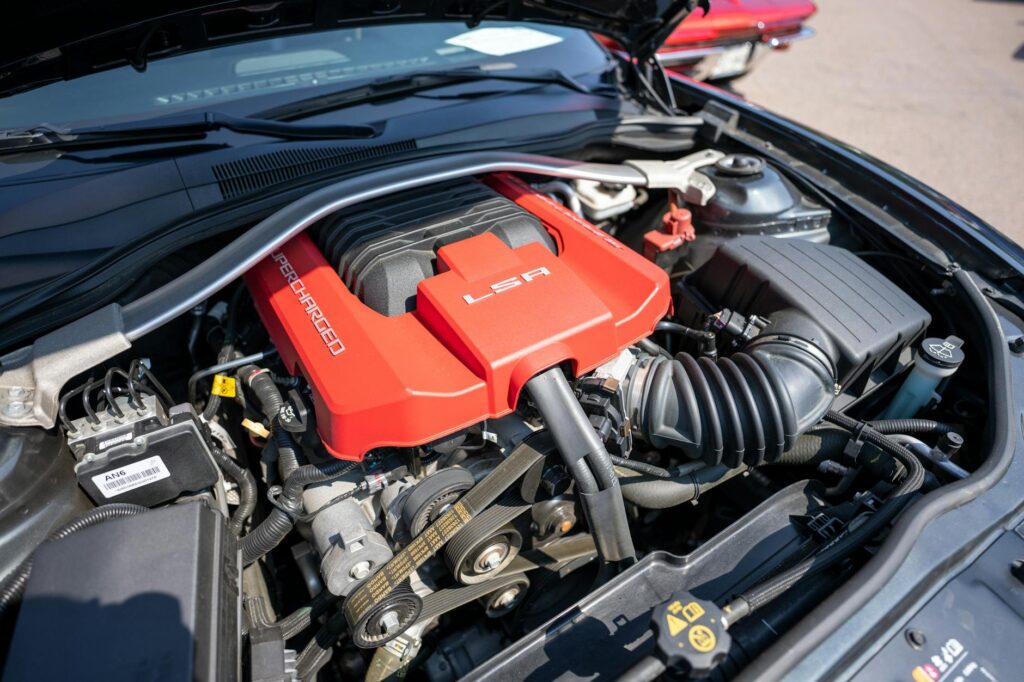
This article focuses on supercharger pulley noise on the Audi SQ5, particularly the 3.0 TFSI V6 (often seen as engine code CREC in later models, and CGXC/CTUC on earlier 3.0T applications across the VW Group). The goal is practical guidance for everyday owners: what causes the noise, how to confirm it, and what realistic fixes and costs look like in Europe.
Recommended Tool: Professional OBD2 Scanner
🔧 Recommended Professional Tool
Cooling System Diagnostic ToolsProfessional coolant tester and infrared thermometer for accurate overheating diagnosis.
✔ Recommended by automotive technicians ✔ Suitable for BMW, Mercedes, VAG & JLR platforms ✔ Fast international shipping
2. Causes
Pulley-related noise usually comes from wear, misalignment, or belt slip. Common root causes include:
- Worn supercharger pulley bearing (or snout bearing wear)
- Over time, bearing grease breaks down and clearances increase, especially with higher-mileage cars or cars that see frequent hard acceleration.
- Failing idler pulley or tensioner pulley
- These can mimic supercharger pulley noise because they run on the same belt path and are under high load.
- Belt wear, glazing, or contamination
- Oil/coolant mist, road grime, or simply an old belt can cause squeal or chirping.
- Misalignment from incorrect pulley installation
- Common if the car has an aftermarket smaller pulley (or has had previous work) and alignment wasn’t set correctly.
- Crank pulley (harmonic balancer) deterioration
- The crank pulley’s rubber isolator can fail, creating wobble and belt noise that seems “supercharger-related.”
- Aftermarket pulley or dual-pulley setup issues
- Increased belt tension and higher blower speed can accelerate bearing wear and highlight marginal tensioners.
3. Symptoms
Not all noises are “bad”—a supercharger naturally produces a smooth, rising whine. The concern is a new or changing sound. Watch for:
- Chirping at idle that changes with RPM
- High-pitched squeal during cold starts or when turning the steering (load changes)
- Rattle or light grinding from the front of the engine bay
- Intermittent belt slip under hard acceleration (often worse in wet weather)
- Visible belt dust around the pulley area
- Vibration or wobble at the crank pulley or supercharger pulley
- In some cases: reduced boost/hesitation or an EPC/MIL if belt slip becomes severe
4. How to diagnose
You can do a lot at home with basic checks, but confirm with proper diagnostics before buying parts. For VW Group cars, ODIS (dealer-level) can help identify related faults, though pulley noise often appears without fault codes.
Initial checks (owner-friendly)
- Listen carefully:
- A belt squeal often peaks right after start-up and fades as it warms.
- A bearing noise tends to be a constant roughness that rises with RPM.
- Visual inspection (engine off):
- Check the belt for cracking, glazing (shiny surface), fraying, or missing ribs.
- Look for black belt dust around pulleys (sign of slip or misalignment).
- Inspect the crank pulley for signs of wobble or separated rubber.
- Simple “location” test (safe method):
- With the bonnet open and the engine idling, listen from different angles. Noise that’s strongest at the front/top often implicates the supercharger drive and its idlers.
Better confirmation (recommended)
- Mechanic’s stethoscope or a long screwdriver (used carefully):
- Touch the housing near the idler/tensioner mounting points (not the spinning pulley). A rough growl can point to a bad bearing.
- Belt-off test (workshop-level):
- Removing the supercharger drive belt briefly and running the engine for a few seconds can confirm if the noise is belt-drive-related. This should be done by a professional due to safety and cooling/charging considerations.
- Scan with ODIS:
- Check for related issues like misfire under load, boost regulation faults, or throttle adaptation problems. While not definitive for pulley noise, it helps rule out other causes.
5. How to fix
The correct fix depends on what’s actually making the noise. Replacing the supercharger pulley blindly can be expensive and may not solve anything if an idler pulley is the culprit.
Common fixes
- Replace the belt
- If the belt is old or glazed, replacement is often the cheapest and most effective first step.
- Replace the tensioner and/or idler pulley
- These are frequent failure points and can be done without touching the supercharger itself.
- Replace the supercharger pulley (and bearing/snouted assembly where applicable)
- On some setups, pulley replacement requires special tools and careful handling to avoid damaging the supercharger drive components.
- Correct pulley alignment
- Especially important after pulley upgrades. Misalignment causes chirping, belt dust, and premature bearing failures.
- Replace the crank pulley/harmonic balancer
- If there’s visible wobble or rubber separation, fix this first—otherwise new belts and pulleys won’t last.
If your SQ5 is tuned
If you’re running a smaller pulley or dual-pulley configuration, consider:
- A fresh OEM-quality belt of the correct length
- Upgraded tensioner solutions (where available)
- More frequent inspection intervals, because higher belt load accelerates wear
6. Repair costs
Costs vary by country, labour rate, and whether you use OEM, OEM-equivalent, or aftermarket parts. Below are realistic European ranges (parts + labour):
- Supercharger drive belt replacement: €120–€250
- Belt is relatively inexpensive; labour depends on access.
- Idler pulley replacement: €180–€350
- Often 0.7–1.5 hours plus the pulley.
- Belt tensioner replacement: €250–€500
- Higher parts cost than an idler; labour similar.
- Supercharger pulley replacement (stock size): €450–€900
- Includes pulley, hardware, and 1.5–3.0 hours labour depending on model year and access.
- Crank pulley/harmonic balancer replacement: €500–€1,200
- Parts can be pricey; labour typically 2.0–4.0 hours.
- If the supercharger snout/bearing requires repair or replacement: €1,200–€2,500+
- Less common, but costs rise quickly if the supercharger assembly must be removed.
If you’re quoted a large figure, ask whether the shop has confirmed the noise source (idler vs. tensioner vs. supercharger pulley vs. crank pulley) and what checks were performed.
7. Prevention tips
A few habits can significantly reduce the chances of pulley and belt-drive issues:
- Inspect belts annually or every 15,000–20,000 km, especially on higher-mileage cars.
- Replace belts preventively if you see glazing, cracking, or belt dust—don’t wait for failure.
- Avoid coolant or oil leaks around the front of the engine; contamination shortens belt life.
- Warm up gently: sudden full-load pulls on a cold engine can stress the belt drive.
- If modified, keep belt lengths and pulley alignment correct and re-check tensioner condition more often.
8. When to see a mechanic
Book a workshop visit if any of the following apply:
- The noise becomes a grind or rumble (bearing failure can seize and throw the belt)
- You see pulley wobble or the crank pulley looks separated
- There’s burning rubber smell or heavy belt dust
- The car shows EPC/MIL, reduced power, or hesitation under load
- The noise persists after a belt replacement
A good independent VAG specialist can diagnose quickly and may use ODIS to check related operating data and rule out other drivability issues. Accurate diagnosis matters because swapping the wrong pulley can cost hundreds without fixing the noise.
9. Frequently Asked Questions
Frequently Asked Questions
Is supercharger whine normal on an Audi SQ5?
A smooth, consistent whine that rises with RPM is normal for a supercharged 3.0 TFSI. What’s not normal is a new chirp, squeal, or grinding noise that wasn’t there before. Changes in sound usually point to belt slip, bearing wear, or misalignment.
Can I keep driving if the supercharger pulley is making noise?
If it’s a light squeal only on cold start, you may have time to diagnose it, but you shouldn’t ignore it. A failing bearing or wobbling pulley can eventually throw the belt, which may leave you stranded and can damage nearby components. If the noise turns into grinding or gets louder quickly, stop driving and get it checked.
How can I tell if it’s the pulley bearing or just the belt?
Belt noise is typically a sharper squeal or chirp that can change with moisture and temperature. Bearing noise is more of a rough, constant growl that tracks engine RPM. A proper inspection of idlers, tensioner, and pulley run-out is the safest way to confirm.
Will a smaller supercharger pulley (tune) make pulley noise more likely?
Yes, it can. Smaller pulleys increase supercharger speed and belt load, which can accelerate wear in the belt, tensioner, and bearings. Good alignment, the correct belt, and more frequent inspections become more important on modified cars.
Do I need diagnostic software like ODIS for this issue?
Not always, because pulley noise often appears without fault codes. However, ODIS can help check for related faults and operating conditions if you also have hesitation, EPC warnings, or boost-related issues. It’s most useful as part of a complete diagnosis rather than as the only test.