1. Introduction
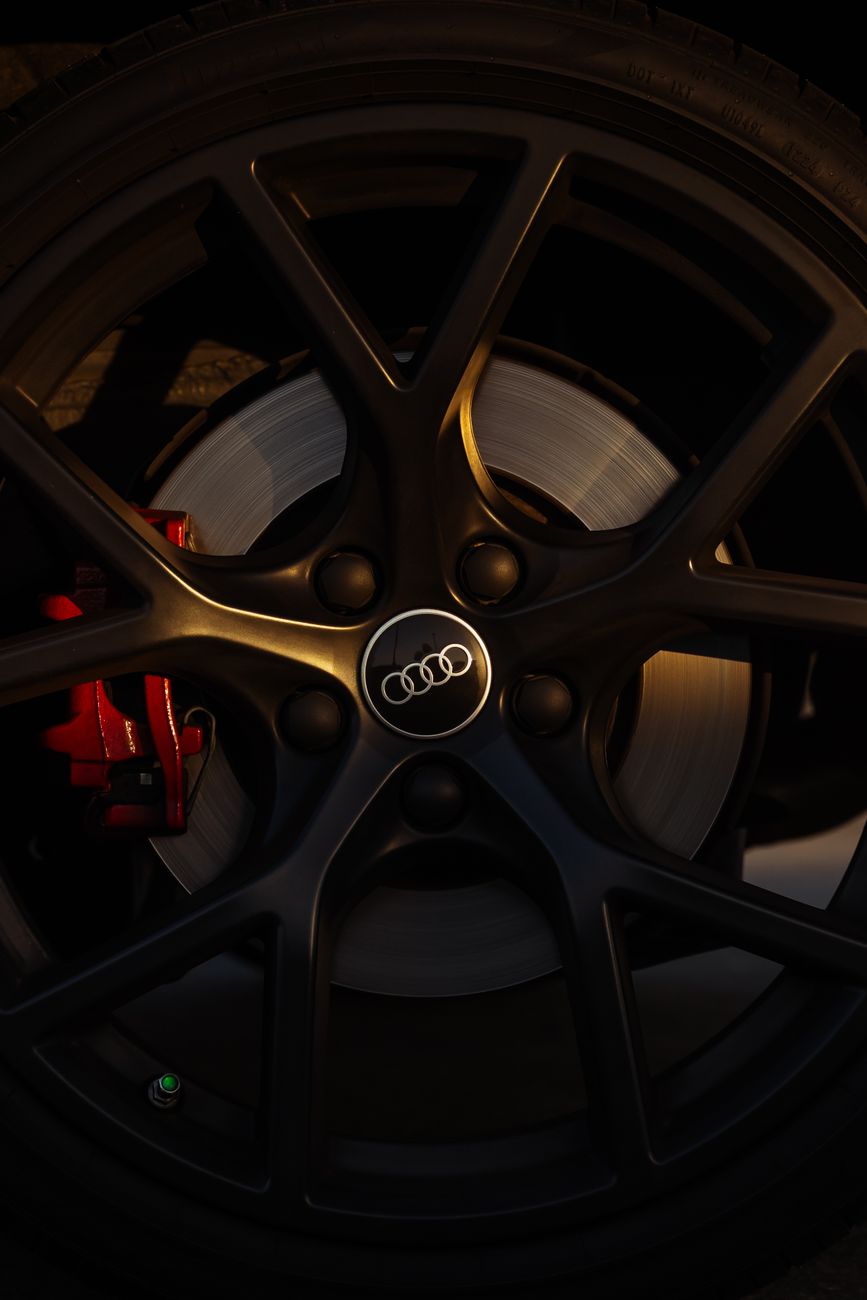
“Audi S-Line” can mean a few different things, and that’s exactly why many owners get confused about brakes. On most European markets, S-Line is primarily a styling and suspension package for regular A-models (A3, A4, A5, A6, Q5, etc.), not a full “S” model like an S3 or S4. Some S-Line cars have standard brakes, some have upgraded calipers/discs depending on engine output, model year, and options, and some wear larger wheels that affect what fits.
Recommended Tool: Professional OBD2 Scanner
Recommended Tool: Premium Brake Pads
Recommended Tool: Cooling System Diagnostic Tools
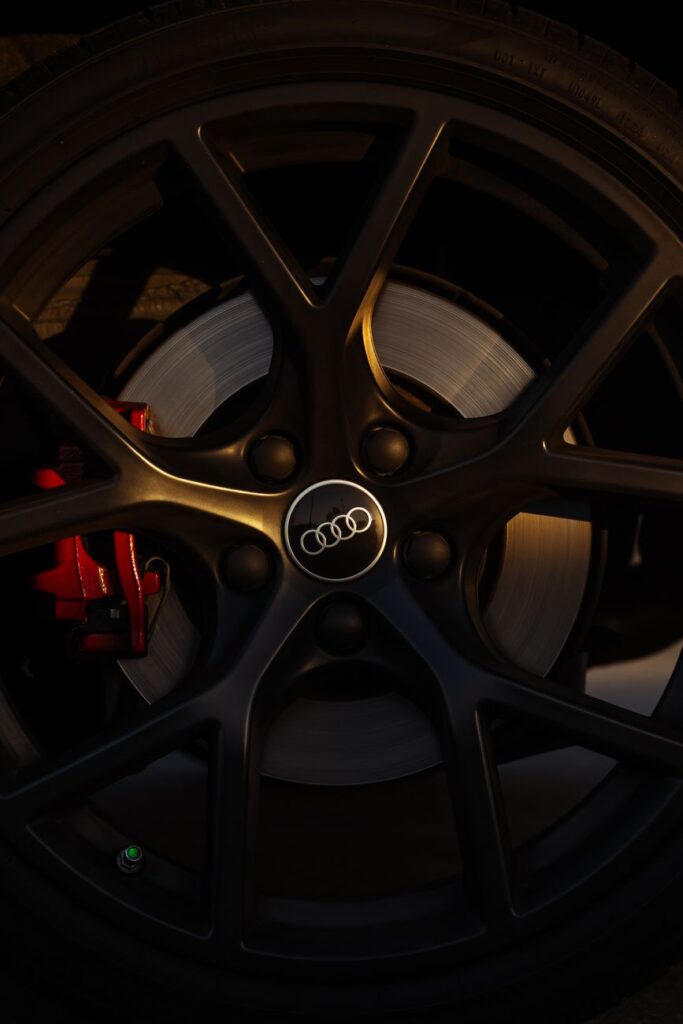
If you’re a daily driver owner of an Audi (or you own several VW Group cars in the household), the key question is practical: when your pads and discs are due, do you need “special” parts, and what happens if you order the wrong set? This guide explains what actually changes on S-Line cars, how to identify your exact brake setup, and how to choose parts confidently.
🔧 Recommended Professional Tool
Cooling System Diagnostic ToolsProfessional coolant tester and infrared thermometer for accurate overheating diagnosis.
✔ Recommended by automotive technicians ✔ Suitable for BMW, Mercedes, VAG & JLR platforms ✔ Fast international shipping
2. Causes
S-Line itself doesn’t automatically require special brake parts. The need for different pads/discs usually comes from one or more of the following:
- Multiple brake system options on the same model
- The same A4 (B8/B9) could be delivered with different front disc diameters (e.g., 312 mm vs 320/338 mm) depending on engine and trim.
- Performance or “heavy-duty” brake option
- Some cars have PR-code brake upgrades (larger rotors, different calipers/carriers).
- Quattro/engine output and axle load differences
- Higher-output variants or heavier front axle loads (diesels, quattro, larger engines) often use larger discs or different pad shapes.
- Model-year changes
- Facelifts often change caliper suppliers, rotor thickness, pad shapes, or wear sensor design.
- Wheel size and caliper clearance
- S-Line commonly brings larger wheels, which can coincide with a larger brake option—but the wheels aren’t the cause; the brake package is.
- Electronic parking brake (EPB) and rear brake type
- Many Audi platforms use rear EPB with specific calipers and a required service mode procedure.
3. Symptoms
If you already have the wrong brake parts fitted—or you’re approaching replacement time—these are common clues:
- Grinding, squealing, or vibration under braking
- Often worn pads/discs, but can worsen if friction materials are mismatched.
- Uneven pad wear left-to-right
- Possible sticking caliper pins, seized piston, or incorrect pad fitment.
- Brake warning light or pad wear warning
- Some Audis use pad wear sensors on one corner only; incorrect pads may lack sensor provision.
- Longer stopping distances or poor initial bite
- Common with low-quality pads or wrong compound for your discs.
- Rear brake service issues on EPB cars
- If the rear calipers weren’t put into service mode, pistons can be damaged or the parking brake may malfunction.
4. How to diagnose
Check the car’s brake “identity” first (PR codes and measurements)
The most reliable method is to identify your brake PR codes (option codes). On many Audi/VW Group cars, these are on:
- The spare wheel well sticker (boot/trunk)
- The service book sticker (if original)
Look for codes related to brakes (often starting with 1L, 1K, 1Z, etc.). With the VIN, a parts supplier or dealer can decode these precisely.
Use the right scan tool when electronics are involved
For EPB-equipped rear brakes or warning lights, a scan tool helps confirm the system status:
- ODIS (dealer-level) can run rear brake pad replacement routines, EPB basic settings, and read brake control module faults.
- Many good aftermarket tools can do EPB service mode, but ODIS is the reference standard for Audi/VW.
If the car shows a brake warning after pad replacement, scan for:
- Pad wear sensor circuit faults
- EPB motor/actuator faults
- ABS/ESC faults (less common but important)
Confirm physical specs before ordering parts
Even with PR codes, verify:
- Front disc diameter and thickness (measure rotor; thickness is stamped on many discs)
- Caliper type (ATE, TRW, Akebono/Brembo depending on model)
- Pad shape and wear sensor plug type
- Rear brake setup: EPB vs cable handbrake, and rotor size
5. How to fix
If you haven’t bought parts yet
- Get your VIN and PR codes
- Confirm disc size (at least front; rear if unsure)
- Choose quality parts matched to the brake package
- Reputable OE/OEM brands often include ATE, TRW, Brembo, Textar, Pagid (availability varies by platform).
- Don’t assume “S-Line” means “S model”
- S3/S4/S5/RS models almost always have different brakes than A-model S-Line cars.
If the wrong parts are already installed
- Wrong pad shape or thickness
- Replace with correct pads immediately; incorrect fit can drag, overheat, or damage the caliper bracket.
- Wrong disc size
- You may need correct discs and sometimes caliper carriers/brackets (carriers differ between rotor sizes).
- EPB problems after rear brake work
- Run the correct EPB service routine (ODIS) and inspect for piston/boot damage if forced mechanically.
Practical tips for daily drivers
- Replace pads and discs as an axle set (front or rear).
- Clean and lubricate pad contact points with appropriate brake grease (sparingly) and ensure slider pins move freely.
- Bed in new pads/discs properly to reduce judder and noise.
6. Repair costs
Costs vary widely by platform (A3 vs A6), brake size, and whether you choose premium parts. Realistic European-market ranges (parts + labor):
- Front pads + discs (standard A-model, non-performance)
- €250–€550 total
- Front pads + discs (larger “upgrade” brakes or heavy-duty package)
- €400–€800 total
- Rear pads + discs with EPB
- €300–€650 total (higher end if EPB issues or seized components)
- Brake fluid flush
- €70–€140
- Caliper slider service / minor hardware
- €30–€120 added, depending on time and seized parts
- Replacing caliper (if seized)
- €250–€600 per caliper fitted (remanufactured vs new, model dependent)
Main cost drivers:
- Rotor diameter/thickness and whether carriers must change
- EPB labor time and diagnostics
- Brand/quality of parts
- Rust severity (common in northern Europe)
7. Prevention tips
- Use the correct parts by PR code/VIN, not by trim name.
- Change brake fluid every 2 years to protect ABS/ESC components and maintain pedal feel.
- Rinse winter road salt from wheels and brakes when possible; corrosion accelerates sticking sliders.
- Avoid cheap, unknown pads/discs; low-quality friction material can cause noise, dust, and judder.
- Address dragging brakes early
- If one wheel gets unusually hot or the car pulls, fix it before it ruins discs and pads.
8. When to see a mechanic
See a professional workshop if:
- The car has EPB and you don’t have a tool that can reliably run service mode (ODIS-level functions are ideal).
- You have ABS/ESC warning lights, a soft pedal, or brake fade.
- There is severe vibration after new brakes (could be hub corrosion, incorrect torque, or disc runout).
- You suspect a seized caliper, leaking brake hose, or contaminated pads (fluid/grease).
- You’re unsure whether you need different carriers/brackets for a rotor size change.
A good independent VAG specialist will typically confirm PR codes, measure discs, and document the exact setup before ordering—saving you repeat labor.
9. Frequently Asked Questions
Frequently Asked Questions
Does “S-Line” automatically mean bigger brakes?
No. S-Line is often a cosmetic and suspension package, and many S-Line cars have the same brakes as non–S-Line versions. Brake size usually depends on engine, axle load, and PR-code options rather than the badge.
How can I tell which brakes my Audi S-Line has without guessing?
Use the PR codes on the vehicle data sticker and confirm with VIN-based parts lookup. Measuring front disc diameter and checking caliper type is a reliable double-check, especially across facelift years.
Can I fit standard A-model pads and discs on an S-Line car?
Only if your car’s brake package matches those standard parts. If your S-Line has larger rotors or different calipers/carriers, standard parts may not fit or could cause poor braking and uneven wear.
Do rear brakes differ on S-Line models because of the electronic parking brake?
The difference is not S-Line itself but whether your specific car has EPB. EPB rear calipers require service mode and correct procedures; tools like ODIS help prevent actuator faults and piston damage.
Is it worth upgrading to larger brakes when replacing worn parts?
Sometimes, but it’s not always cost-effective because larger brakes can require carriers, different wheels, and insurance/TÜV considerations in some countries. For normal road use, quality OE-matched parts and fresh brake fluid usually deliver the best everyday results.