1. Introduction
A misfire under boost on the Audi RS3 2.5 TFSI is one of those problems that can feel intermittent and confusing: the car may drive perfectly in normal traffic, then hesitate, jerk, or flash the EPC light the moment you ask for full power. Because the RS3’s turbocharged five-cylinder runs high cylinder pressures when boosting, small issues in ignition, fueling, air control, or sensors can show up only under load—often long before you notice anything at idle.
Recommended Tool: Professional OBD2 Scanner
Recommended Tool: Cooling System Diagnostic Tools
Recommended Tool: Transmission Diagnostic Tools
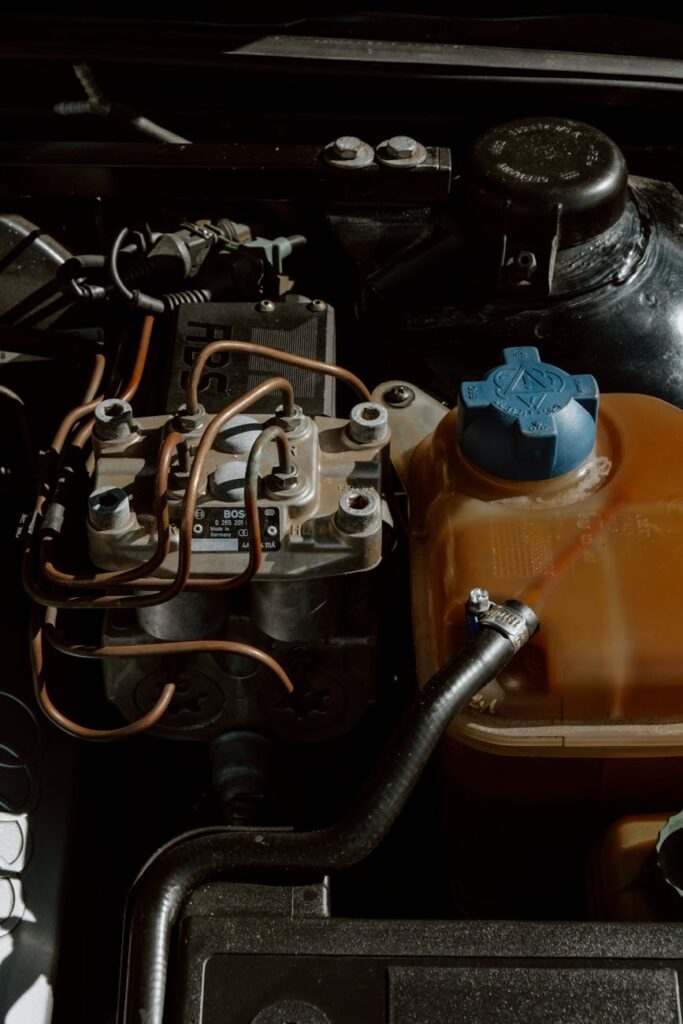
This article is aimed at everyday European car owners—especially those familiar with VW Group products—who want to understand what “misfire under boost” usually means, what causes it, and what a sensible diagnostic and repair path looks like. While the focus is the RS3 2.5 TFSI (commonly DAZA/DNWA), the approach and many checks apply to other high-output turbo engines across Audi/VW and even BMW and Mercedes.
🔧 Recommended Professional Tool
EA888 Engine Diagnostic ToolsEssential tools for EA888 engine diagnostics
✔ Recommended by automotive technicians ✔ Suitable for BMW, Mercedes, VAG & JLR platforms ✔ Fast international shipping
2. Causes
Misfires under boost on the 2.5 TFSI are most commonly linked to ignition stress, fueling delivery, or air/boost control. Typical root causes include:
Ignition-related causes (most common)
- Worn or incorrect spark plugs (wrong heat range or gap too large for tuned/high-boost setups)
- Failing ignition coils (breakdown under load, not always noticeable at idle)
- Moisture/oil contamination around coil boots or plug wells
Fueling-related causes
- High-pressure fuel pump (HPFP) under-delivery under load (pressure drops at high RPM/boost)
- Low-pressure fuel supply issues (tank pump or controller struggling)
- Injector problems (leak, poor spray pattern, or imbalance)
- Fuel quality issues (low octane, water contamination)
Air/boost control causes
- Boost leaks in hoses, clamps, intercooler end tanks, turbo outlet, or intake tract
- Diverter valve (DV) issues causing boost control instability
- Wastegate actuator problems or adaptation issues
- Carbon build-up on intake valves (direct injection engines like DAZA can accumulate deposits)
Sensor and control causes
- Faulty MAP/boost pressure sensor or MAF (if equipped depending on model year/market)
- Knock sensor sensitivity leading to aggressive timing pull that feels like misfire
- PCV system faults causing unmetered air or crankcase pressure issues
Software and modifications
- ECU tuning that pushes boost/torque beyond what plugs, coils, or fuel system can support
- Aftermarket intakes/intercoolers with small leaks or poor sensor placement
- Recent updates/adaptations not completed (throttle/boost learning values)
3. Symptoms
Owners usually describe the issue in one or more of these ways:
- Hesitation or “stuttering” during full-throttle acceleration
- Misfire only under high load (typically mid-range torque peak or near redline)
- EPC light or check engine light, sometimes flashing under hard acceleration
- Reduced power / limp mode, especially if the ECU detects repeated misfires
- Popping from exhaust (unburnt fuel igniting in the exhaust on overrun)
- Rougher running after a pull, then normal again at cruise
Common fault codes (not guaranteed) may include misfire counters for specific cylinders, fuel pressure regulation faults, or boost deviation codes. On VW Group cars, ODIS will often show freeze-frame conditions like high load, high requested boost, and a misfire count spike.
4. How to diagnose
A correct diagnosis saves money because “parts cannon” repairs (plugs, coils, sensors all at once) can get expensive quickly. A practical process looks like this:
Step 1: Read faults and freeze-frame data
- Use ODIS (dealer-level) or a high-quality scan tool that can read:
- Misfire counters per cylinder
- Fuel rail pressure (specified vs actual)
- Boost pressure (requested vs actual)
- Ignition timing retard/knock control activity
- Note whether the misfire is cylinder-specific (e.g., cylinder 3 only) or random/multiple.
Step 2: Quick ignition checks
- Pull and inspect spark plugs:
- Look for cracked insulators, worn electrodes, or signs of running lean/rich.
- Verify correct plug part number and heat range for DAZA/DNWA.
- Swap coils between cylinders if one cylinder is flagged:
- If the misfire follows the coil, you’ve likely found the culprit.
Step 3: Boost leak and intake checks
- Perform a smoke test or pressure test of the intake/charge system.
- Inspect:
- Intercooler connections
- Turbo outlet hose
- DV housing
- PCV lines
- A small leak can show up only when boost rises, causing a lean condition and misfire.
Step 4: Fuel system verification
- Log low-pressure fuel and high-pressure rail during a full-load pull (safely, ideally with a passenger or on a dyno).
- If rail pressure drops below target under boost, suspect:
- HPFP performance
- Low-pressure supply
- Filter/regulator issues (depending on configuration)
Step 5: Consider carbon build-up and injector balance
- If misfires are persistent, especially at higher mileage, check for:
- Intake valve deposits (borescope inspection through intake ports)
- Injector deviation/balance tests where available
- ODIS guided functions may assist with adaptations and component tests.
5. How to fix
The fix depends on what you find, but these are the most common successful repairs:
Replace spark plugs (and set correct gap)
- For stock cars, use OEM-spec plugs and gap.
- For tuned/high-boost cars, a colder plug and slightly tighter gap is often recommended by reputable tuners to prevent spark blowout.
- Avoid guessing—use a proven specification for the RS3’s DAZA/DNWA.
Replace faulty ignition coils
- If coils are original and the car is driven hard, replacing a full set can be sensible.
- If only one coil is proven faulty by swapping, replacing the single unit is acceptable, but watch for others aging similarly.
Repair boost leaks / replace DV or PCV components
- Renew worn clamps, cracked hoses, and seals.
- If DV is sticking or leaking, replace it with an OEM-quality unit.
- PCV failures can create erratic fueling and misfire-like behavior.
Address fuel pressure issues
- Replace a weak HPFP if logs show consistent pressure drop under load.
- If low-pressure supply is the issue, investigate the in-tank pump and control module.
- Don’t ignore fuel quality—drain/refill if contamination is suspected.
Carbon cleaning (if indicated)
- Walnut blasting of intake valves can restore airflow and combustion stability.
- This is more common as mileage climbs, especially with short-trip usage.
Software/adaptation checks
- If the issue started after a tune or hardware change:
- Verify the calibration is appropriate for your fuel (98 RON vs 95 RON).
- Ensure sensors are installed correctly and no intake turbulence is confusing readings.
- After repairs, clear faults and complete any necessary adaptations via ODIS.
6. Repair costs
Costs vary by country and labor rate, but realistic EU ranges (parts + labor) are:
- Spark plugs (set of 5): €150–€320
- Ignition coils (single): €70–€160
- Ignition coils (set of 5): €350–€750
- Smoke/pressure test + basic diagnosis: €80–€180
- Diverter valve replacement: €180–€450
- PCV system repair: €250–€650
- Boost leak hose/pipe repair: €120–€600 (depends on location/parts)
- HPFP replacement: €700–€1,500
- Low-pressure pump/module work: €450–€1,200
- Injector replacement (per injector): €250–€600; set can exceed €1,500–€2,800
- Walnut blasting intake valves: €450–€900
If the car is modified, budgeting extra diagnostic time is wise because non-OEM parts can introduce unusual failure points.
7. Prevention tips
- Use the right fuel: For the RS3, consistently use high-quality 98 RON (or the minimum required by your setup). Avoid questionable stations if misfires are a concern.
- Replace plugs on schedule (or sooner if tuned): High boost accelerates plug wear.
- Keep intake/boost plumbing tight: Periodically inspect clamps and hoses, especially after any intake or intercooler work.
- Let the engine warm up before hard pulls: Cold combustion and thick oil increase stress and knock sensitivity.
- Do occasional longer drives: Short trips can contribute to deposits and moisture issues.
8. When to see a mechanic
Seek professional help if:
- The check engine light flashes under load (misfires can damage the catalytic converter).
- The car enters limp mode repeatedly.
- You see fuel pressure faults or consistent rail pressure drops in logs.
- Misfires persist after plugs/coils or you suspect injectors, HPFP, or carbon build-up.
A VW/Audi specialist with ODIS access can run guided tests, check misfire counters accurately, and validate fuel/boost targets under load. If you’re cross-shopping service options, look for a workshop that regularly handles EA888, DAZA/DNWA, and DSG diagnostics—experience matters with high-output turbo engines.
9. Frequently Asked Questions
Frequently Asked Questions
Can I keep driving if my RS3 misfires only under boost?
If it’s a true misfire and especially if the warning light flashes, avoid hard acceleration and get it checked soon. Repeated misfires can overheat and damage the catalytic converter and can also mask a fueling issue that may worsen quickly.
Is a misfire under boost usually spark plugs or coils on the 2.5 TFSI?
Often, yes—high cylinder pressure under boost is tough on ignition components. Worn plugs, incorrect gap, or a coil that breaks down under load are common on DAZA/DNWA engines, particularly on tuned cars.
Will a boost leak always cause a fault code?
Not always. Small leaks can show up as hesitation or misfire-like behavior only at high boost, and the ECU may not flag a clear leak code. A smoke test is often the fastest way to confirm it.
How do I know if it’s a fuel pressure problem?
Logging specified vs actual rail pressure during a full-load pull is key. If actual pressure consistently drops below target when the misfire occurs, the HPFP or low-pressure supply may be struggling.
Does carbon build-up cause misfires under boost?
It can, especially at higher mileage or with lots of short trips. Deposits can disrupt airflow and mixture distribution, making combustion less stable under load; a borescope inspection can confirm whether cleaning is justified.