1. Introduction
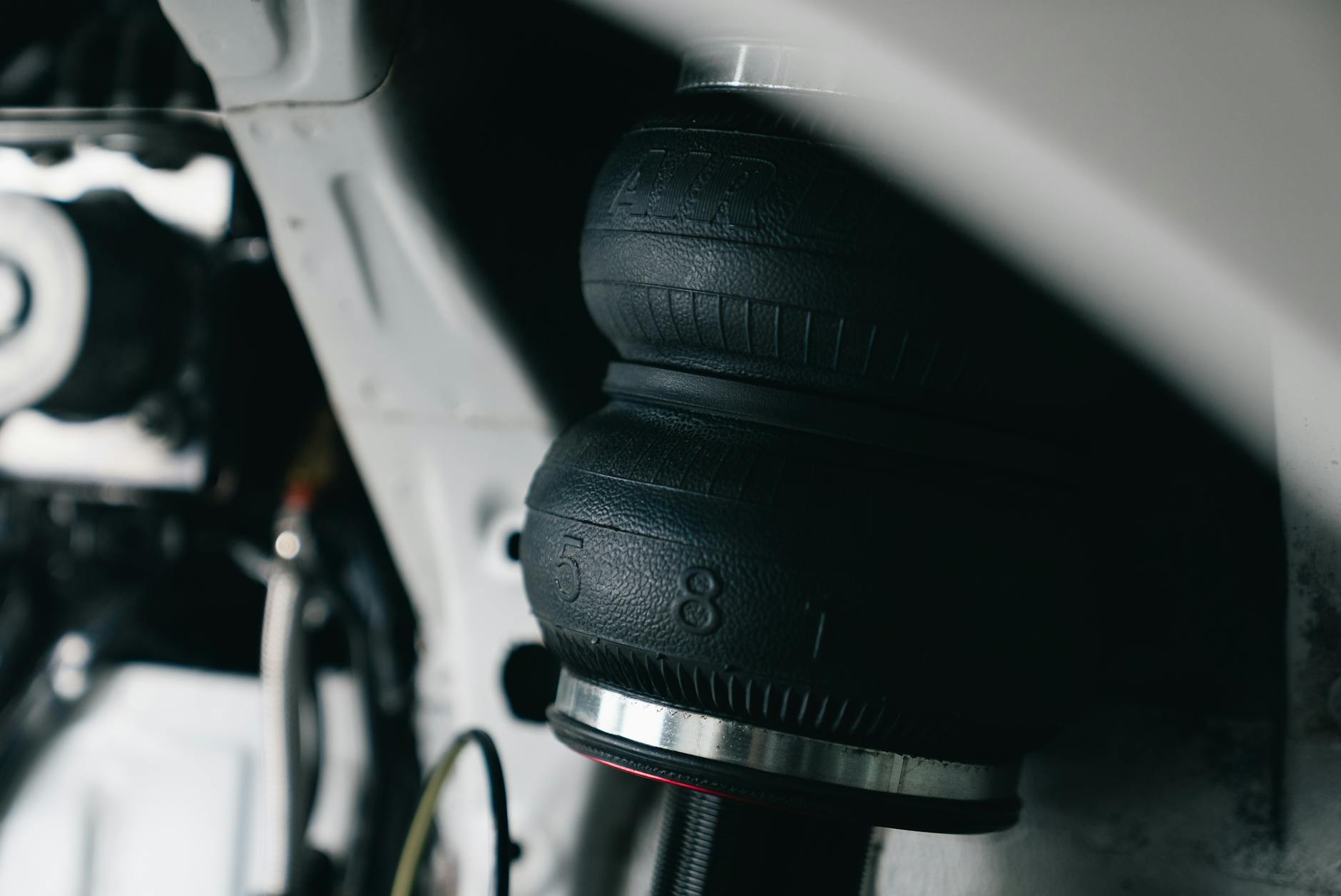
Modern European SUVs and luxury cars often use air suspension to deliver a smooth ride, stable handling, and the ability to raise or lower the vehicle on demand. On the Audi Q7 4M with the 3.0 TFSI petrol engine (commonly seen as EA839 in later years), the air suspension system relies heavily on an electric compressor to generate and store pressurised air. When that compressor starts to fail, the car can sit unevenly, refuse to change height, or trigger warnings that quickly ruin the “premium” experience.
Recommended Tool: Professional OBD2 Scanner
Recommended Tool: Portable Jump Starter
Recommended Tool: Cooling System Diagnostic Tools
For everyday owners, the big question is usually practical: should you fix the compressor and keep air suspension as designed, or convert to coilovers/springs to avoid future air-related faults? The answer depends on your priorities—comfort, towing, off-road capability, long-term costs, and how long you plan to keep the car. This guide explains what actually fails, how to confirm it, and what realistic repair bills look like in Europe.
🔧 Recommended Professional Tool
Cooling System Diagnostic ToolsProfessional coolant tester and infrared thermometer for accurate overheating diagnosis.
✔ Recommended by automotive technicians ✔ Suitable for BMW, Mercedes, VAG & JLR platforms ✔ Fast international shipping
2. Causes
An “air suspension compressor failure” is often not just the motor dying. The compressor can be overworked or damaged by other faults in the system.
Common root causes include:
- Air leaks at a corner: A leaking air strut/bag, line, or fitting makes the compressor run more often until it overheats.
- Worn compressor piston seal/desiccant: Moisture and age degrade internal seals and the dryer material, reducing output and increasing run time.
- Blocked or saturated dryer: If the dryer can’t remove moisture, condensation can corrode valves and cause freezing in cold climates.
- Faulty relay, wiring, or voltage supply: Low voltage, poor grounding, or a failing relay can make the compressor slow or intermittent.
- Valve block issues: A sticking valve block can “trap” pressure or vent incorrectly, making the compressor appear weak.
- Software adaptations not completed after repairs: On VAG cars, missed basic settings can cause incorrect pressure targets and odd behaviour.
On Q7 4M models, the compressor is typically mounted low and exposed to road spray. That makes water ingress, corrosion at connectors, and physical wear more likely over time.
3. Symptoms
Owners usually notice changes in ride height behaviour long before the compressor fully fails.
Typical symptoms include:
- Suspension warning message on the dash (often “air suspension: malfunction” or similar)
- Car sitting low (especially after parking overnight), sometimes only on one corner
- Slow height changes or refusal to raise to off-road/lift mode
- Uneven stance left-to-right or front-to-rear
- Compressor running loudly or running for a long time after startup
- Height adjustment disabled with the car “stuck” in one mode
- In cold weather, the system may work intermittently due to moisture freezing in the dryer/valves
A key clue: if the car drops overnight, that’s usually a leak. If it stays up but struggles to raise quickly, that points more toward compressor output or valve block issues.
4. How to diagnose
A correct diagnosis saves money because many “compressor failures” are actually leaks or valve problems. If you have access to a scan tool, start there.
Use proper diagnostics (ODIS/VCDS/OBD tools)
- ODIS (dealer-level) is ideal for guided fault finding and basic settings.
- VCDS/OBDeleven can still read faults, view measured values, and run some output tests.
Look for:
- Stored faults related to compressor performance, pressure build time, thermal shutdown, or implausible pressure readings.
- Measured values: compressor current draw (if available), reservoir pressure, and height sensor readings.
- Compressor duty cycle: frequent operation suggests a leak or weak compressor.
Do a basic leak check (owner-friendly)
- Park on a flat surface, measure wheel arch heights, and re-check after 8–12 hours.
- Listen near each wheel for faint hissing.
- If you’re confident and careful, spray soapy water on visible air line connections and the air spring area (avoid electrical connectors). Bubbles indicate leaks.
Differentiate compressor vs leak
- Leak scenario: car drops while parked; compressor runs often after startup to recover.
- Compressor scenario: car doesn’t necessarily drop, but won’t raise or raises very slowly; compressor may sound strained or shut down with a temperature-related fault.
- Valve block scenario: inconsistent height control, odd corner behaviour, or repeated venting issues despite a healthy compressor.
If you’ve had the battery disconnected or components replaced, the Q7 may require basic settings/calibration for ride height via ODIS. Skipping this can mimic faults.
5. How to fix
Your options fall into two categories: restore the air system properly, or convert away from it.
Option A: Fix and keep air suspension (recommended for most owners)
-
Address leaks first
- Replace leaking air struts/air springs if confirmed.
- Repair or replace damaged lines and seals.
- If one air spring is leaking, consider the vehicle’s mileage and whether the opposite side is close behind.
-
Replace or rebuild the compressor
- OEM-quality replacement compressor is the most reliable route.
- Some units can be rebuilt with piston ring/seal kits and a new dryer, but results vary and labour can offset savings.
-
Replace the dryer (or dryer cartridge)
- If moisture is present, renewing the dryer helps prevent repeat issues and winter problems.
-
Check relay, fuse, wiring, and intake
- A restricted compressor intake filter or corroded connector can shorten compressor life.
-
Run calibrations
- Perform ride height calibration and any required basic settings with ODIS after major repairs.
Option B: Convert to coilovers/springs (only if it fits your use)
Conversion kits replace air struts with conventional springs and dampers, sometimes with electronic modules to prevent warning lights. This can reduce future air system complexity, but you give up:
- height adjustment
- self-levelling (important for towing)
- some of the Q7’s refined ride quality
In many European countries, coilover conversions may require TÜV/inspection approval or documentation, especially if ride height changes significantly. Also consider insurance declarations.
6. Repair costs
Prices vary widely by country, labour rate, and parts choice (OEM vs aftermarket). Below are realistic Europe-wide ranges (parts + labour).
Keep air suspension
- Compressor replacement (OEM-quality): €900–€1,800
(Parts €600–€1,200; labour 1.5–3.0 hours depending on access and calibrations) - Dryer/cartridge service: €150–€450
(Often combined with compressor work) - Valve block replacement: €500–€1,100
(Parts €250–€700; labour 1.5–3.0 hours) - Single air strut (front or rear): €900–€2,000 per corner
(Parts €600–€1,600; labour 2–4 hours depending on corner and alignment needs) - System calibration/basic settings (ODIS): €80–€180
(May be included in diagnosis)
Convert to coilovers/springs
- Quality conversion kit installed: €1,800–€3,500
(Parts €1,200–€2,800; labour 4–8 hours; coding/resistor module may be needed) - Inspection/approval costs (where applicable): €100–€500+
If you’re converting because the compressor failed, remember: you may still need to address warning lights, coding, and potential resale impact.
7. Prevention tips
Air suspension can last a long time if the system isn’t forced to overwork.
- Fix small leaks early: a minor leak can kill a compressor through constant operation.
- Keep the battery healthy: low voltage stresses electric compressors and control modules.
- Avoid repeatedly cycling heights unnecessarily: frequent lift/lower use increases compressor workload.
- Rinse winter salt from underbody areas: reduces corrosion on mounts and connectors.
- Have the system checked during routine service: a quick scan and visual inspection can catch early faults.
- If you tow often, pay attention to levelling behaviour; struggling under load can indicate a leak or weak compressor.
8. When to see a mechanic
Book a professional diagnosis if:
- The car is dropping significantly on one corner or sitting on the bump stops
- The compressor runs constantly or you suspect it’s overheating
- You have multiple suspension faults and the cause isn’t obvious
- You need ODIS basic settings after replacing air suspension components
- You plan a conversion and need advice on coding, warning light suppression, and inspection legality
A workshop familiar with VAG diagnostics will be faster and cheaper in the long run. Even a good independent specialist with ODIS access (or strong VCDS capability) can usually pinpoint whether you’re dealing with a leak, compressor weakness, or a valve/control issue.
9. Frequently Asked Questions
Frequently Asked Questions
Can I keep driving if the Audi Q7 4M air suspension compressor fails?
You can sometimes drive short distances if the car remains at a safe ride height, but handling and braking can be affected if it’s too low or uneven. If the suspension drops onto bump stops, stop driving to avoid tyre, drivetrain, and underbody damage.
How do I know if it’s the compressor or a leaking air strut?
If the car drops after sitting overnight, that strongly suggests a leak at an air strut, line, or valve block. If it stays level but won’t raise or raises very slowly, the compressor or its supply/relay is more likely.
Is it worth rebuilding the compressor instead of replacing it?
Rebuild kits can be cost-effective if the motor is healthy and the failure is mainly seals or a saturated dryer. However, if the compressor has been overheated for a long time, a full replacement is usually more reliable.
Will converting to coilovers stop all suspension warning lights?
Not automatically. Many conversions require electronic modules, coding, or resistors to keep the control unit satisfied, and results vary by kit quality. Poorly handled conversions can leave persistent faults and reduce resale value.
Do I need calibration after replacing the compressor or air strut?
Often yes. The Q7 4M may require ride height calibration/basic settings so the control unit knows the correct reference positions, and this is typically done with ODIS. Skipping calibration can cause uneven height, warnings, or incorrect levelling.