1. Introduction
Rear brake pads on the Audi Q3 F3 1.5 TFSI (EA211 evo) are a routine wear item, but replacing them on a modern VW Group car is no longer just a “swap the pads and push the piston back” job. Many Q3 F3 models use an electronic parking brake (EPB), and the rear calipers must be put into service mode before you retract the pistons. Doing it the right way helps you avoid damaged calipers, warning lights, uneven braking, and costly comebacks.
Recommended Tool: Professional OBD2 Scanner
Recommended Tool: Premium Brake Pads
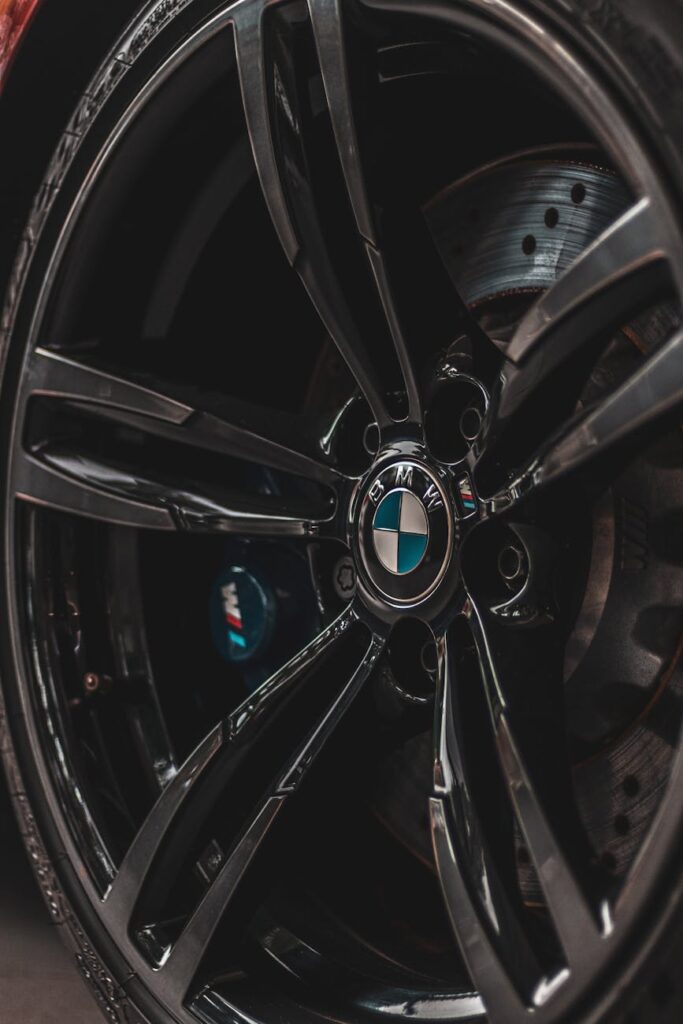
This guide is written for everyday European car owners who like to understand the job—whether you plan to DIY, supervise a local workshop, or simply avoid being upsold. The principles also apply broadly across VW Group platforms (Audi/VW/SEAT/Škoda), and the diagnostic approach will feel familiar if you’ve owned BMWs (ISTA), Mercedes (Xentry), or JLR products (SDD/Pathfinder).
Recommended Tool: Professional OBD2 Scanner
🔧 Recommended Professional Tool
Brake System UpgradePremium brake pads and diagnostic tools for vibration and braking issues.
✔ Recommended by automotive technicians ✔ Suitable for BMW, Mercedes, VAG & JLR platforms ✔ Fast international shipping
2. Causes
Rear brake pads wear out for predictable reasons, but on a Q3 they can also wear unevenly if the EPB or slider hardware isn’t happy.
Common causes include:
- Normal wear from driving style and environment
- Frequent city braking, steep hills, towing, or heavy loads.
- Electronic parking brake use
- Regular EPB application is normal, but sticky caliper mechanisms can lead to dragging.
- Caliper slider pin issues
- Dry or corroded guide pins prevent even pad pressure.
- Rusty discs (rotors) and infrequent driving
- Surface corrosion can eat pads faster, especially after long parking periods.
- Incorrect previous brake work
- Wrong pad type, missing anti-rattle hardware, or no bedding-in.
3. Symptoms
Rear pad wear can be subtle because the car often still stops “fine” until pads are very low.
Look for:
- Brake pad warning light/message (if equipped with a wear sensor, depending on trim/market)
- Squealing or scraping noises from the rear wheels
- Longer stopping distances or a vague pedal feel
- Vibration under braking (can indicate disc issues alongside pad wear)
- EPB warnings or unusual EPB noises when applying/releasing
- Excess brake dust on one rear wheel compared to the other (suggests sticking caliper)
4. How to diagnose
You can do a lot with basic checks, then confirm with a scan tool. On VW Group cars, ODIS is the factory-level option, but many good aftermarket tools can command EPB service mode and read live data.
Visual checks (safe, quick)
- Wheel-off inspection: Check pad thickness on inner and outer pads. The inner pad often wears faster.
- Disc condition: Look for heavy lip on the rotor edge, heat spots, cracks, or deep grooves.
- Caliper slide movement: The caliper should move smoothly on its guide pins (with the pads removed).
- Brake fluid level: Low fluid can simply reflect worn pads, but check for leaks too.
Scan-tool checks (recommended on EPB cars)
Using ODIS (or a capable equivalent):
- Check for stored faults in:
- ABS/ESC module
- Parking brake module (if separate)
- Run EPB basic settings / service mode to retract and later calibrate.
- After replacement, clear any EPB-related faults and confirm no warning lights remain.
If you’re coming from other brands: this is similar in concept to BMW’s ISTA “parking brake service mode” workflows or Mercedes Xentry guided functions—do the electronic procedure first, then the mechanical work.
5. How to fix
This is a high-level owner-friendly walkthrough. Exact steps can vary by brake supplier (TRW, ATE, etc.) and model year, so always follow a vehicle-specific procedure.
H3 Parts and tools you’ll typically need
- Rear brake pads (correct for your PR codes)
- New caliper carrier bolts (often torque-to-yield on some VAG applications—confirm for your car)
- Brake cleaner, wire brush
- High-temperature brake grease (for pad backing/ears—never on friction material)
- Torque wrench
- Scan tool that supports EPB service mode (ODIS or equivalent)
H3 Step-by-step overview
-
Confirm the correct pad set
- VW Group cars often use PR codes in the boot/spare wheel well sticker or service records. Correct pads prevent noise and fitment issues.
-
Put the EPB into service mode
- This retracts the parking brake motor and allows safe piston retraction. Skipping this is a common way to damage the caliper mechanism.
-
Raise the car safely and remove rear wheels
- Use proper jack points and axle stands.
-
Remove the caliper
- Unbolt the caliper and support it so the brake hose isn’t strained. Don’t let it hang by the hose.
-
Remove pads and inspect hardware
- Check anti-rattle clips, pad shims, and the condition of the carrier.
- If the discs are below minimum thickness or badly corroded, do pads and discs together for best results.
-
Check and service the slider pins
- Clean, inspect boots, and lubricate with appropriate grease. Sticking pins are a major cause of uneven wear.
-
Retract the piston correctly
- With EPB in service mode, retract the piston using the correct tool. Some rear pistons require a wind-back motion; others press straight in—verify for your caliper type.
-
Fit new pads and reassemble
- Clean pad contact points on the carrier.
- Apply a small amount of brake paste where appropriate (backing plates/ears), not on the pad surface.
- Torque bolts to spec.
-
Exit service mode and run calibration/basic settings
- Using the scan tool, close the EPB and run the necessary basic settings. This ensures correct parking brake function and prevents warning lights.
-
Pump the brake pedal before driving
- Bring the pads into contact with the disc. The pedal should feel firm.
-
Bed-in the brakes
- Follow pad manufacturer guidance. Typically, a series of moderate stops from city speeds with cooling time helps reduce noise and improves performance.
H3 Common mistakes to avoid
- Forcing the piston back without EPB service mode
- Forgetting to torque caliper bolts properly
- Reusing single-use bolts where replacements are required
- Ignoring a seized slider pin (new pads won’t fix uneven braking)
- Driving away without pumping the pedal first
6. Repair costs
Costs vary by country and whether you replace discs at the same time.
Typical European estimates for an Audi Q3 F3 rear pad replacement:
-
Rear pads only (parts + labor): €180–€350
- Parts: €50–€140 (quality aftermarket to OEM)
- Labor: €100–€210 (0.8–1.5 hours, depending on shop rate and EPB procedure)
-
Rear pads + rear discs (recommended if discs are worn/corroded): €350–€650
- Parts: €160–€360
- Labor: €180–€300
Main dealers may price higher, especially if they bundle diagnostic checks or insist on OEM-only parts. Independent VAG specialists often offer better value and are typically well equipped with ODIS-capable tools.
7. Prevention tips
- Brake with anticipation: Fewer hard stops reduces heat and wear.
- Use the EPB regularly, but listen for changes: Odd noises can signal sticking.
- Wash wheels and brakes in winter: Salt accelerates corrosion.
- Drive the car regularly: Short trips and long parking periods promote rust on discs.
- Have brakes inspected at every service: Catching a sticking caliper early saves discs and pads.
8. When to see a mechanic
Even if you’re comfortable with basic maintenance, it’s sensible to involve a professional when:
- You have EPB faults that won’t clear after pad replacement (ODIS-guided diagnosis may be required).
- One side wears much faster than the other (possible caliper issue).
- The piston won’t retract smoothly (risk of caliper damage).
- You notice brake fluid leaks or a sinking pedal.
- The car shows ABS/ESC warnings after brake work.
A VAG specialist with ODIS experience can also check for software-related EPB adaptations and confirm everything is within spec.
9. Frequently Asked Questions
Frequently Asked Questions
Do I have to use a diagnostic tool to change rear pads on an Audi Q3 F3 with EPB?
On most Q3 F3 models with an electronic parking brake, yes, you should use a tool to put the EPB into service mode. This prevents damage to the caliper mechanism and reduces the chance of warning lights. ODIS is the factory system, but many quality aftermarket scanners can perform the same EPB function.
Can I replace rear pads without changing the rear discs?
You can if the discs are within minimum thickness, not heavily grooved, and not badly corroded. However, pairing new pads with worn or rusty discs often leads to noise, vibration, and reduced braking performance. Many owners get the best result replacing pads and discs together if the discs show significant wear.
Why did my new rear pads start squealing after replacement?
Squeal is often caused by missing or incorrectly fitted anti-rattle hardware, lack of proper bedding-in, or dirty pad contact points. It can also happen if the discs are glazed or have a heavy lip. Using the correct pads for your PR code and cleaning/lubricating the right contact points usually prevents it.
What happens if I push the rear piston back without EPB service mode?
You can damage the EPB motor or internal screw mechanism in the caliper, leading to faults, poor parking brake operation, or a caliper that needs replacement. In some cases, the car may log EPB/ABS errors that require diagnostic intervention to clear and recalibrate. The repair can quickly cost more than the original brake job.
How long should rear brake pads last on a Q3 F3 1.5 TFSI?
Many owners see anywhere from 30,000 to 70,000 km, depending on driving conditions and how much the rear brakes are used by the stability and brake distribution systems. City driving and short trips tend to shorten pad life. Uneven wear usually indicates a mechanical issue rather than normal consumption.