1. Introduction
The oil separator and PCV (Positive Crankcase Ventilation) system on the Audi A6 is easy to overlook because it rarely fails suddenly. Instead, it tends to degrade over time, slowly upsetting crankcase pressure control, fuel trims, and oil management. For everyday A6 owners—especially those driving modern turbo petrol engines—this is a common “hidden” fault that can cause rough running, oil leaks, and higher oil consumption if ignored.
Recommended Tool: Professional OBD2 Scanner
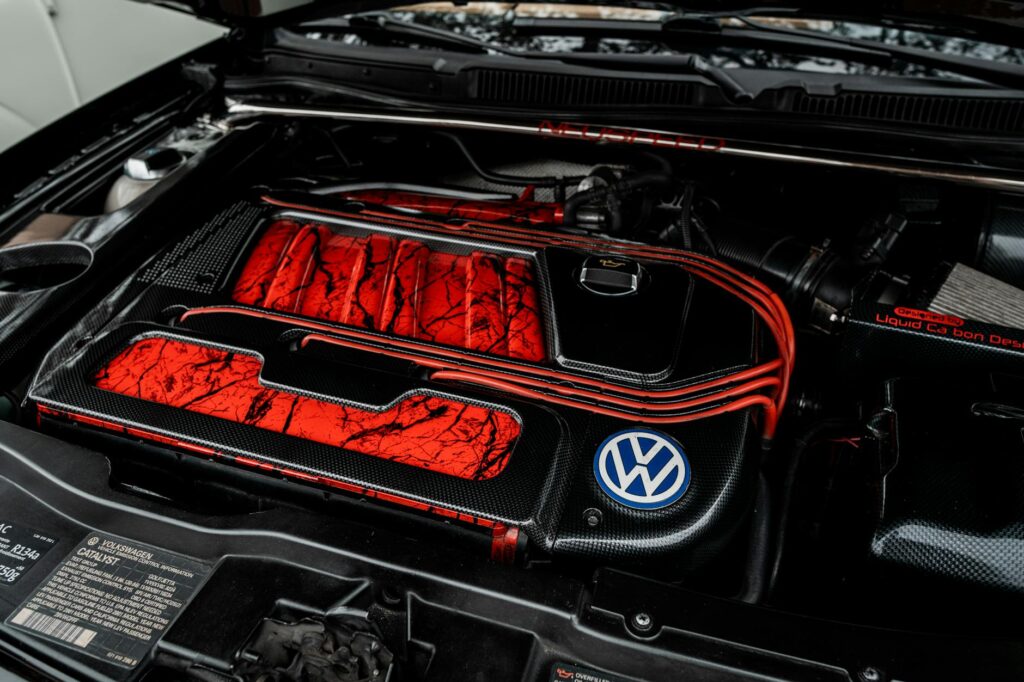
On many Audi/VW Group engines, the oil separator is integrated into the rocker/valve cover or mounted as a separate housing with a diaphragm-style pressure regulator. Its job is to separate oil mist from blow-by gases and route those gases back into the intake in a controlled way. When the diaphragm tears, the internal passages clog, or the valves stick, the engine can end up with too much vacuum or too much pressure in the crankcase—both of which create problems.
Recommended Tool: Professional OBD2 Scanner
🔧 Recommended Professional Tool
EA888 Engine Diagnostic ToolsEssential tools for EA888 engine diagnostics
✔ Recommended by automotive technicians ✔ Suitable for BMW, Mercedes, VAG & JLR platforms ✔ Fast international shipping
While this post is focused on the Audi A6, the same principles apply to many VAG models and can be relevant to owners of BMW, Mercedes, and JLR vehicles, which also use PCV modules that fail in similar ways.
Recommended Tool: Professional OBD2 Scanner
2. Causes
PCV/oil separator failures typically come down to heat, oil vapour deposits, and aging rubber components. The exact layout differs by engine, but the root causes are consistent.
Common causes include:
- Torn or hardened diaphragm inside the PCV regulator (a frequent failure mode on turbo petrol engines).
- Sludge and carbon build-up blocking small internal channels, especially with long oil change intervals.
- Sticking check valves that should regulate airflow under boost vs. idle vacuum.
- Cracked housings or warped covers from repeated heat cycles, causing vacuum leaks.
- Frozen condensation in winter (less common, but it can block breather paths on short-trip cars).
Audi A6 engines where PCV issues are frequently discussed include 2.0 TFSI variants (EA888 family) and some 3.0 TFSI applications, depending on model year. If you’re unsure which engine you have, your service book sticker, VIN decode, or a scan tool session with ODIS can confirm the engine code.
3. Symptoms
A failing oil separator/PCV system can mimic other faults—intake leaks, turbo issues, even ignition problems—so it’s useful to recognise the pattern.
Typical symptoms:
- Rough idle or unstable RPM, especially after warm-up
- Whistling, honking, or hissing noises from the engine cover area
- Oil consumption increase without obvious external leaks
- Oil seepage/leaks from crankshaft seals, cam cover edges, or the oil filler area (pressure-related)
- Misfires at idle and hesitation on light throttle
- Check Engine Light (MIL) with mixture/adaptation faults
- Hard-to-remove oil filler cap at idle (excessive crankcase vacuum) or a cap that “dances” (pressure pulses)
Some owners also report an intermittent “limp” feel under acceleration if the fault causes significant unmetered air or boost-related PCV valve problems.
4. How to diagnose
You can do several checks at home, and then confirm with proper diagnostic equipment. The goal is to determine whether the crankcase is seeing abnormal pressure/vacuum and whether unmetered air is entering the intake.
Basic driveway checks
- Oil cap test (with caution): With the engine idling, gently loosen the oil filler cap.
- If the cap is extremely difficult to lift and the engine stumbles hard, it can indicate excessive vacuum (often a torn diaphragm).
- If there’s strong puffing and oil mist, it can indicate excessive pressure (blocked separator/breather path).
- Listen for noises: A high-pitched whistle near the PCV area often points to a failed diaphragm or leaking valve cover PCV membrane.
- Visual inspection: Look for fresh oil around the valve cover perimeter, rear main seal area (hard to see), or breather hoses.
Scan tool confirmation
Using ODIS (or a quality VAG-compatible scanner), check:
- Fuel trim readings (short- and long-term). A vacuum leak from PCV failure often drives trims positive at idle.
- Fault codes commonly associated with PCV/oil separator issues, such as:
- Lean mixture/adaptation limits reached
- Intake system leak / unmetered air
- Misfire codes that appear mainly at idle
Smoke test and crankcase pressure test (best practice)
A workshop-quality diagnosis usually includes:
- Smoke test of the intake system to locate vacuum leaks around the PCV housing, breather lines, or valve cover.
- Crankcase pressure measurement with a manometer. Engines are designed to run at a slight controlled vacuum; extreme values in either direction indicate regulation failure.
If you own multiple brands: BMW diagnosis would often be confirmed in ISTA, Mercedes in Xentry, and JLR in Pathfinder/SDD, but the underlying approach is the same—evaluate mixture control, air leaks, and crankcase pressure behaviour.
5. How to fix
The correct repair depends on whether the PCV is serviceable as a separate component or integrated into the valve cover.
Common repair approaches
- Replace the PCV/oil separator unit (or diaphragm kit where available)
- Many EA888-style setups use a replaceable assembly on or near the valve cover.
- Replace the complete valve cover if the PCV is integrated and not reliably serviceable
- Some covers warp or crack, and replacing only a membrane may not address sealing issues.
- Replace brittle breather hoses and one-way valves at the same time
- Old hoses can collapse under vacuum or leak under boost, creating repeat faults.
- Clean intake tract components if contaminated
- If the failure caused oil carryover, a mechanic may recommend cleaning the throttle body and checking the intercooler pipes for excessive oil.
What to avoid
- Avoid “universal” catch-can or breather modifications on a daily driver unless you understand the implications for emissions equipment and crankcase regulation.
- Avoid using sealants to “help” a valve cover gasket if the cover is warped—this often becomes a recurring leak.
After repair, a proper workshop will typically:
- Clear adaptations and fault codes with ODIS
- Recheck idle stability and fuel trims
- Verify crankcase pressure is within specification
6. Repair costs
Prices vary by country and engine, but for mainstream European labour rates, these are realistic ranges (parts + labour):
- PCV/oil separator replacement (separate unit): €250–€550
- Parts often €80–€220, labour typically 1.0–2.0 hours.
- Valve cover replacement (integrated PCV): €450–€1,000
- Parts €200–€600 depending on OE vs OEM, labour 2.0–4.0 hours.
- Breather hoses/ancillaries added: +€50–€200
- Smoke test/diagnostic time: €60–€180
If the issue has been ignored and it has pushed oil past seals, costs can climb significantly. For example, addressing a major oil leak linked to crankcase pressure (such as a rear main seal leak) can run €900–€2,500+, depending on drivetrain layout and labour time.
7. Prevention tips
PCV systems fail from age and deposits, but you can reduce the odds:
- Shorten oil change intervals if you do lots of short trips (condensation and sludge build faster). Even if the car’s service interval is long, many owners see benefits changing around 10,000–12,000 km.
- Use the correct oil specification for your engine (VW/Audi approvals matter for deposit control).
- Warm the car fully when possible. Regularly driving long enough to reach full oil temperature helps evaporate moisture.
- Fix minor vacuum leaks early. Small leaks can disturb crankcase regulation and accelerate diaphragm wear.
- Check for updated parts. Some engines have revised PCV assemblies; a dealer or independent with ODIS access can confirm supersessions.
8. When to see a mechanic
See a mechanic promptly if:
- The engine is whistling loudly, idling very rough, or stalling
- You have a Check Engine Light with lean mixture or misfire faults
- Oil leaks suddenly worsen or you smell burning oil
- The oil cap test suggests extreme vacuum/pressure changes
- You suspect seal damage (persistent oil dripping from the bellhousing area can be a warning sign)
A good independent VAG specialist can usually confirm the fault quickly with a smoke test and live data review, saving you from replacing unrelated parts like coil packs or oxygen sensors.
9. Frequently Asked Questions
Frequently Asked Questions
Can a bad PCV/oil separator cause misfires on an Audi A6?
Yes. If the PCV diaphragm tears or the housing leaks, it can introduce unmetered air and push fuel trims lean, which often shows up as idle misfires. The misfires may improve when you raise RPM slightly, which is a useful clue.
Is it safe to drive with a failing PCV system?
For short distances it’s sometimes possible, but it’s risky to ignore. Incorrect crankcase pressure can worsen oil leaks, increase oil consumption, and in some cases damage seals. If the engine is stalling or the warning light is flashing, don’t continue driving.
What fault codes are most common with PCV problems?
Many cars log lean mixture or adaptation limit faults, along with intake leak-related codes. Misfire codes can appear as secondary faults, especially at idle. A proper scan with ODIS helps confirm whether the trims and idle control match a PCV leak.
Will replacing the valve cover gasket fix it?
Not usually. If the PCV diaphragm or internal regulator is faulty, a new gasket may stop an edge seep briefly but won’t correct the pressure problem. Many engines require replacing the PCV unit or the complete valve cover assembly.
How can I tell if it’s the PCV system or the turbo?
PCV issues tend to be worst at idle and light throttle, with whistling noises and abnormal oil cap behaviour. Turbo-related faults more often show under load with boost control codes and power loss. A smoke test and live-data review of trims and boost targets will separate the two.