1. Introduction
Air suspension is one of those features you forget about—until it stops working. On the Audi A6 C7 (2011–2018) with adaptive air suspension, the compressor is the heart of the system: it generates the pressure needed to raise the car, maintain ride height, and keep the suspension comfortable under load. When the compressor starts to fail, the car may sit low, take ages to lift, or trigger warnings that limit speed and suspension modes.
Recommended Tool: Professional OBD2 Scanner
Recommended Tool: Portable Jump Starter
Recommended Tool: Cooling System Diagnostic Tools
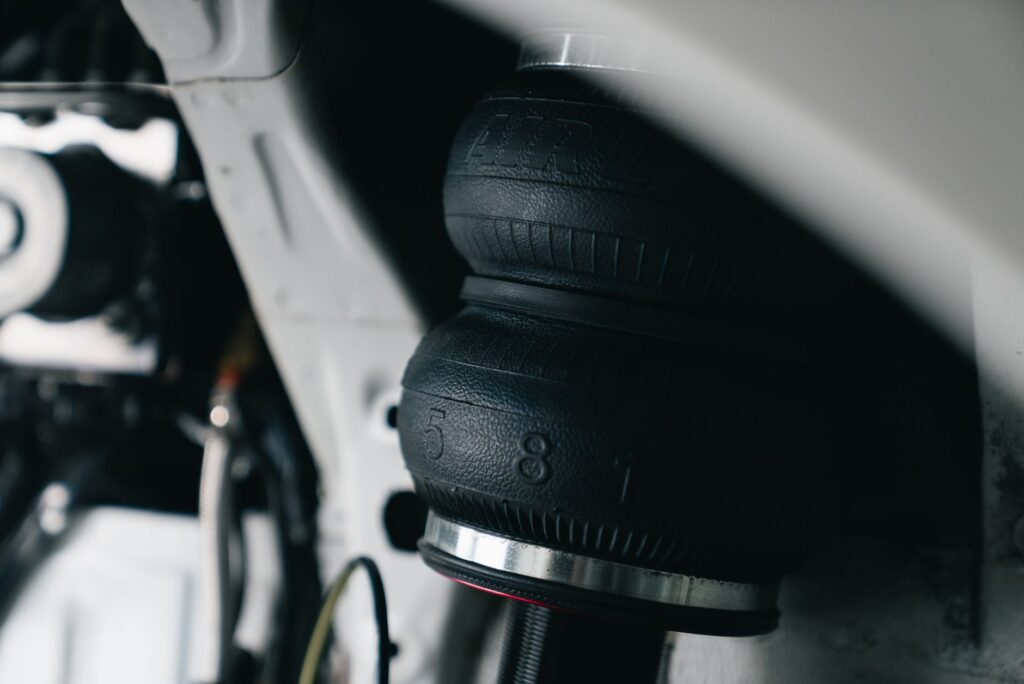
This article is written for everyday European car owners who want to understand why the A6 C7 3.0 TDI air suspension compressor fails, what it feels like from the driver’s seat, how diagnosis is done (including with ODIS), and how to source the right parts without wasting money. While this focuses on the 3.0 TDI variants (commonly seen with engine codes like CGQB/CGWC/CVUA depending on year/market), the air suspension hardware and failure patterns are broadly similar across A6 C7 air-equipped models.
🔧 Recommended Professional Tool
Cooling System Diagnostic ToolsProfessional coolant tester and infrared thermometer for accurate overheating diagnosis.
✔ Recommended by automotive technicians ✔ Suitable for BMW, Mercedes, VAG & JLR platforms ✔ Fast international shipping
2. Causes
Compressor failure is often blamed on “a bad compressor,” but in many cases the compressor dies because something else makes it work too hard for too long. Common root causes include:
Overwork due to leaks
Small air leaks force the compressor to run frequently, overheating it.
- Leaking air struts (bellows cracks, porous rubber, leaking top seals)
- Valve block leaks (O-rings, internal leakage)
- Airline leaks at fittings (especially after previous work)
Moisture contamination and dryer saturation
The compressor assembly includes a dryer/desiccant to remove moisture. Over time it saturates, letting water into the system. Moisture can:
- Corrode internal compressor components
- Damage the valve block
- Freeze in cold weather, blocking flow and causing overpressure/overrun
Thermal damage and worn piston/rings
Many OE-style compressors are piston types with a ring/seal that wears. When compression efficiency drops, runtime increases, creating a vicious cycle of heat and wear until it can’t build pressure.
Electrical and control issues
Sometimes the compressor is fine but can’t run correctly:
- Weak battery or voltage drop (common after frequent short trips)
- Failing compressor relay or wiring resistance
- Temperature sensor or pressure sensor faults leading to shut-down or incorrect control
Blocked intake/filter
A clogged intake filter or water ingestion can shorten compressor life. If the compressor can’t breathe properly, it runs hot and inefficient.
3. Symptoms
Most drivers notice changes gradually, then suddenly get a warning. Typical signs include:
- Vehicle sits low on one corner or settles overnight
- “Air suspension fault” message, suspension warning light, or limited function
- Car rises very slowly after start, especially in cold weather
- Compressor runs loudly or for an unusually long time (often after unlocking or starting)
- Ride height changes unevenly, or the car won’t switch modes (e.g., comfort/dynamic height behavior)
- In severe cases: reduced maximum speed due to suspension safety mode
A key detail: a compressor that’s failing from overwork may still raise the car—just slowly—until it overheats and shuts down.
4. How to diagnose
Proper diagnosis matters because replacing a compressor without fixing the underlying leak often results in a second failure.
Read faults with the right tool
On Audi/VW Group cars, ODIS is the factory-level diagnostic environment. A good independent scan tool can help, but ODIS typically provides clearer guided functions. Look for fault codes in the level control module (often referenced as J197), such as:
- Compressor performance/running time exceeded
- Pressure not reached / system pressure implausible
- Valve block or pressure sensor faults
- Temperature-related compressor shut-off
Check compressor runtime and pressure behavior
A healthy system should build pressure quickly and not run constantly. Excessive runtime suggests leakage, weak compression, or a blocked dryer. ODIS measured values can show:
- System pressure rising too slowly
- Compressor temperature climbing rapidly
- Frequent refill events
Leak testing (the most important step)
- Park the car at a set height, measure wheel arch heights, and re-check after several hours/overnight.
- Use soapy water on air struts, airline fittings, and valve block connections—bubbles reveal leaks.
- If one corner drops, suspect that strut/bellow. If the whole car drops evenly, suspect valve block or reservoir/lines.
Electrical checks
If faults point to electrical issues:
- Load-test the battery (low voltage can mimic compressor failure)
- Inspect relay/fuse and connectors for heat damage or corrosion
- Check compressor ground point and wiring for resistance
5. How to fix
The correct fix depends on the diagnosis, but a reliable repair usually addresses both the compressor and why it was stressed.
Replace or rebuild the compressor (and address moisture)
Options:
- OE compressor (most expensive, generally best fitment and noise control)
- High-quality OEM-supplier equivalent (often similar internals at lower cost)
- Rebuild kits (piston ring, seals) can work, but quality varies and they don’t solve moisture damage
Best practice is to replace the dryer/desiccant (or the dryer section) at the same time. If moisture is present, consider flushing/servicing the system and inspecting the valve block.
Fix leaks first (or at the same time)
Common paired repairs:
- Replace leaking air strut(s) (front or rear)
- Replace valve block seals or valve block assembly if internal leakage is confirmed
- Renew brittle airline sections or fittings
Calibrate ride height after repairs
After any major air suspension work, calibration/adaptation is usually required so the control module knows the correct sensor baseline. This is typically done using ODIS guided functions. Skipping calibration can cause uneven stance, incorrect mode heights, and recurrent faults.
Don’t ignore the battery
Air suspension systems are power-hungry. If the battery is marginal, especially on vehicles with start/stop and lots of electronics, address it. A healthy battery reduces compressor stress and nuisance faults.
6. Repair costs
Costs vary by country and labor rate, but these are realistic European ranges (parts + labor):
- Compressor replacement only (quality aftermarket/OE-equivalent): €700–€1,300
(Parts €350–€800, labor 2–3 hours) - OE compressor replacement: €1,100–€1,900
(Parts €700–€1,300, labor 2–3 hours) - Dryer/desiccant service added: +€80–€200
(Often bundled with compressor work) - Single air strut replacement (if leaking): €900–€1,800 per corner
(Parts €600–€1,400, labor 2–4 hours depending on axle and corrosion) - Valve block replacement: €450–€950
(Parts €200–€500, labor 1.5–3 hours) - Diagnosis and calibration (ODIS): €120–€250
(May be deducted if you proceed with repair)
If the compressor failed due to leaks and you only replace the compressor, the “cheap” repair can quickly become the expensive one.
7. Prevention tips
You can’t make the compressor last forever, but you can significantly reduce stress and catch issues early:
- Watch for slow lifting: If the car takes noticeably longer to rise, investigate before the compressor overheats.
- Fix small leaks early: A minor seep at one air strut can double compressor runtime.
- Keep the battery healthy: Replace aging batteries and ensure charging is correct; low voltage increases compressor load.
- Avoid repeated height cycling: Constantly switching ride heights for short trips makes the compressor work more often.
- Service moisture control when needed: If your compressor is being replaced, renew the dryer/desiccant as standard.
8. When to see a mechanic
Book professional help if:
- The car drops significantly overnight or is visibly low on one corner
- Warning messages appear and suspension modes are restricted
- The compressor runs loudly, frequently, or shuts off after a short period
- You’ve replaced parts but the problem returns (likely a leak, calibration, or valve issue)
A workshop familiar with Audi/VW Group systems and equipped with ODIS will usually diagnose faster and avoid unnecessary parts swapping.
9. Frequently Asked Questions
Frequently Asked Questions
Can I drive my Audi A6 C7 if the air suspension compressor is failing?
You can often drive short distances, but the car may enter a protective mode that limits speed and affects handling. If the car is sitting low, tire clearance and suspension geometry can be compromised. Treat it as urgent rather than an “eventually” repair.
What usually kills the compressor: age or an air leak?
Air leaks are the most common reason compressors fail prematurely because they force long runtimes and overheating. Age and moisture contamination also matter, especially if the dryer has never been serviced. A proper leak test is essential before fitting a new compressor.
Should I buy an OEM compressor, a used one, or aftermarket?
A used compressor is risky because you don’t know its runtime history or moisture exposure. A good OEM-supplier equivalent can be excellent value if it includes a quality dryer solution and correct mounting/noise characteristics. OEM is typically the safest choice for fitment and longevity, but not always necessary.
Do I need calibration after replacing the compressor?
Usually yes, especially if any height sensors, valve block components, or struts were disturbed. Calibration ensures the control module knows the correct reference heights and can prevent repeated fault codes. This is typically done with ODIS guided functions.
Why does the car sink overnight even after a new compressor?
A new compressor doesn’t stop leaks; it only makes pressure. Overnight sinking points to a leaking air strut, valve block internal leakage, or an airline/fitting issue. The system must be leak-tested and repaired at the leak source.