1. Introduction
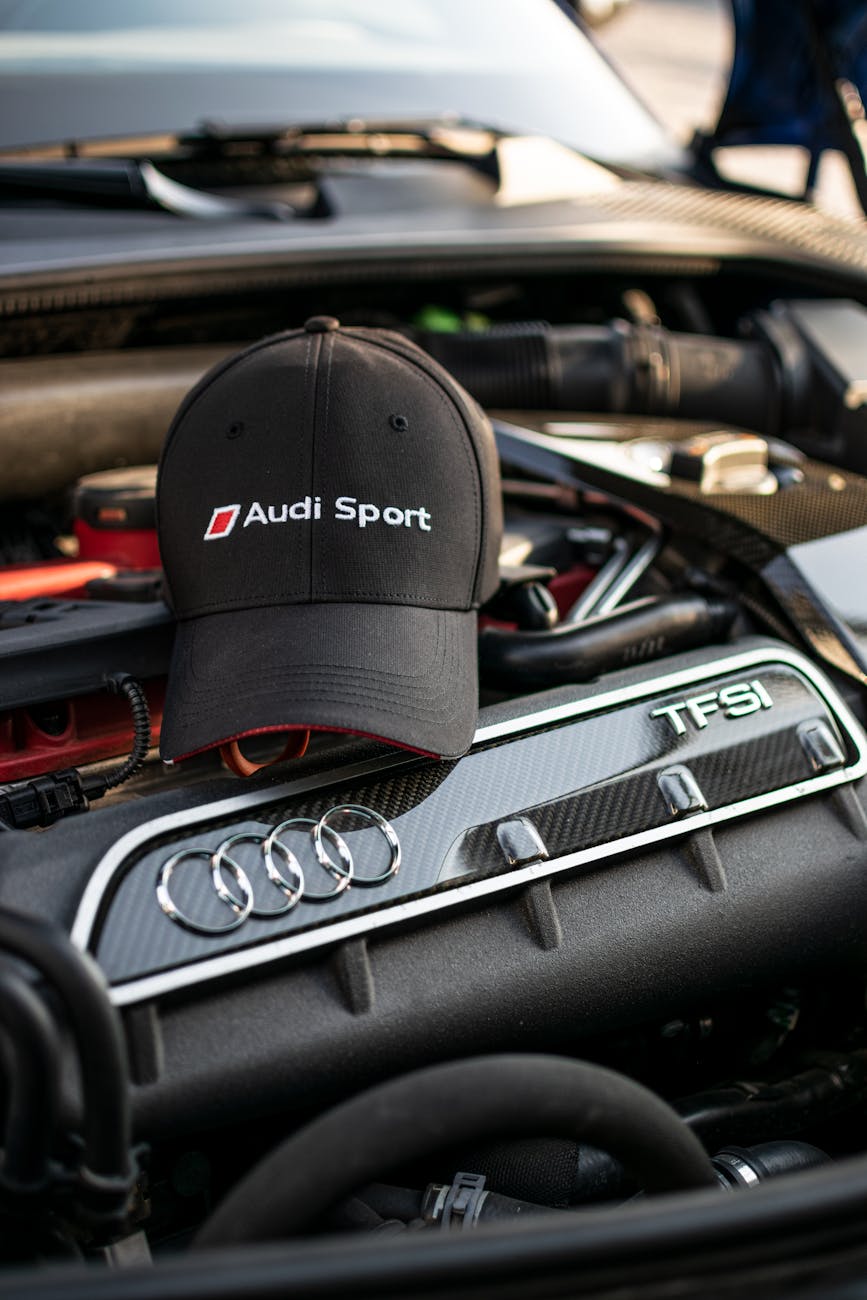
Oil consumption is a common worry for European car owners, and it can be especially frustrating on modern turbocharged petrol engines that otherwise run smoothly and make good power. If you own an Audi A4 B9 with the 2.0 TFSI EA888 engine (widely found across VW Group models), you may have noticed the oil level dropping between services even when there are no obvious leaks. Some oil use can be normal, but consistent top-ups—especially when paired with smoke, warning lights, or rough running—deserve attention.
Recommended Tool: Professional OBD2 Scanner
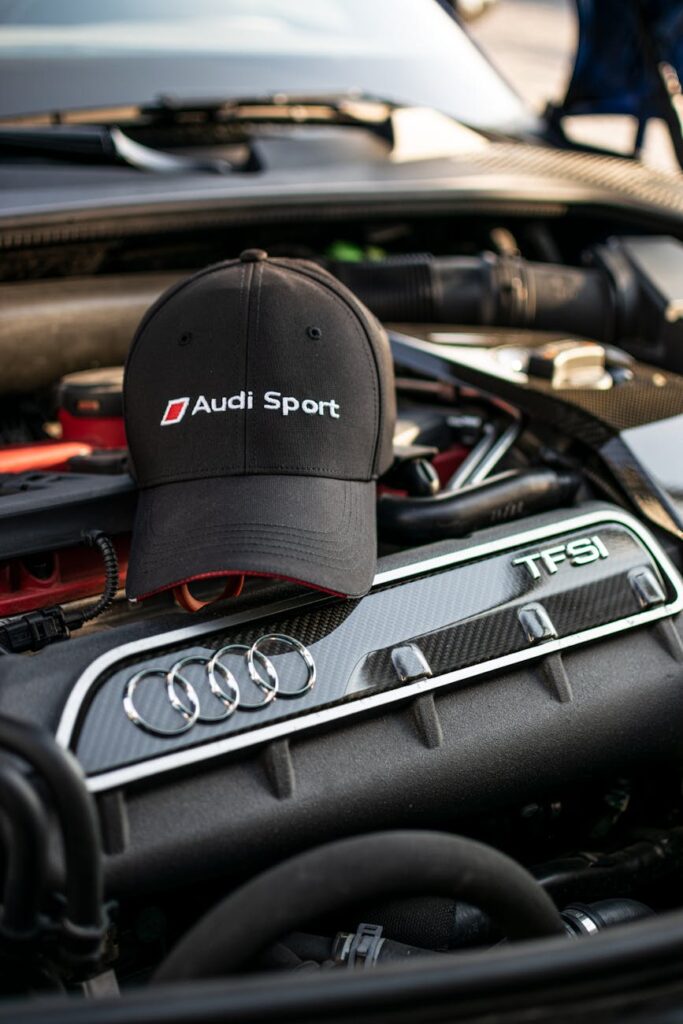
The good news is that oil consumption on the EA888 can often be narrowed down to a manageable set of causes. With a structured approach and the right checks (including ODIS for VW Group diagnostics), you can work out whether it’s a simple PCV-related problem, a turbo seal issue, or something more internal like piston rings. This guide is written for everyday owners, not mechanics, and focuses on what you can realistically observe, test, and discuss with a workshop.
Recommended Tool: Professional OBD2 Scanner
🔧 Recommended Professional Tool
EA888 Engine Diagnostic ToolsEssential tools for EA888 engine diagnostics
✔ Recommended by automotive technicians ✔ Suitable for BMW, Mercedes, VAG & JLR platforms ✔ Fast international shipping
2. Causes
Oil consumption on the EA888 is rarely “mystery oil.” It typically comes from one (or a combination) of these areas:
Common causes on the EA888 (2.0 TFSI)
-
PCV (crankcase ventilation) system failure
A faulty PCV/oil separator can pull oil vapour (or liquid oil) into the intake, where it’s burned. On many VAG engines, PCV issues are a top culprit and can appear as intermittent rather than constant.
Recommended Tool: Professional OBD2 Scanner -
Turbocharger oil seal wear
The turbo relies on engine oil for lubrication. If the turbo’s seals wear, oil can enter either the intake side (charge air) or exhaust side, getting burned without leaving a driveway stain. -
Piston rings / cylinder wall wear (or sticking rings)
If the oil control rings aren’t doing their job, oil stays on the cylinder walls and is burned during combustion. This can be worse with short-trip driving and extended oil change intervals. -
Valve stem seals (less common, but possible)
Worn seals can allow oil to drip into the combustion chamber, often showing smoke after idling or during start-up. -
External leaks that don’t drip
Some leaks burn off on hot surfaces (for example, oil seeping onto the exhaust area), leaving a smell but no puddle.
3. Symptoms
Oil consumption can show up in subtle ways. Watch for patterns rather than one-off events.
Typical owner-noticeable symptoms
- Needing to top up oil between services (for example, 0.5–1.0 litre per 1,500–3,000 km)
- Oil level warning on the dash (especially after motorway runs)
- Blue-ish smoke from the exhaust:
- after idling, then accelerating
- on cold start (sometimes)
- under boost (possible turbo involvement)
- Oily residue inside intake pipes or intercooler hoses (a small film can be normal; pooling is not)
- Rough idle or whistling (can be PCV-related)
- Catalyst efficiency or misfire fault codes if oil burning contaminates sensors or plugs
4. How to diagnose
You don’t need to strip the engine to gather useful evidence. A good diagnosis combines oil tracking, simple checks, and professional scan data.
Step-by-step owner-friendly approach
-
Confirm the oil consumption rate
- Fill to the correct mark using the correct spec oil (often VW 504 00/507 00 for many VAG applications, but confirm for your engine and service regime).
- Record mileage and re-check at consistent intervals and conditions (flat ground, same warm-up state).
- A workshop may run a formal oil consumption test with sealed filler cap and documented readings.
-
Check for external leaks
- Look for wet areas around:
- valve cover area
- oil filter housing
- oil pan perimeter
- turbo oil feed/return lines
- If you smell burning oil but see no drip, mention it; oil can burn off on hot parts.
- Look for wet areas around:
-
Inspect the intake path
- Remove the intake hose where practical (or ask a shop) and check for excessive oil.
- A light mist is normal for many turbo engines; visible puddling suggests PCV or turbo issues.
-
PCV functional clues
- A failing PCV can cause odd idle behaviour, whistling, or excessive vacuum at the oil cap.
- Don’t rely on one “cap test,” but do note changes in idle when the oil cap is loosened.
-
Scan for faults and live data
- Use a proper diagnostic session with ODIS (or a high-quality equivalent) to check:
- misfire counters
- fuel trims (can hint at air leaks/PCV problems)
- boost control deviations
- stored faults related to crankcase ventilation or catalyst efficiency
- If you also own other brands: BMW owners might compare with ISTA workflows, Mercedes with Xentry, and JLR with SDD/Pathfinder—but for this engine, ODIS is the most relevant.
- Use a proper diagnostic session with ODIS (or a high-quality equivalent) to check:
-
Compression/leak-down testing (workshop)
- If PCV and turbo checks don’t explain the loss, a shop may recommend compression and leak-down tests to assess ring sealing and overall engine health.
5. How to fix
Fixes depend on the confirmed source. Avoid parts swapping without evidence—oil consumption can have more than one contributor.
Common repair paths
Replace the PCV/oil separator assembly
If diagnostics point to crankcase ventilation problems, replacing the PCV unit is often the first sensible step. It’s relatively affordable and can dramatically reduce oil pull-through if it was stuck open or leaking internally.
Address turbocharger oil leakage
If oil is found heavily in charge pipes/intercooler and boost behaviour is inconsistent, the turbo may be passing oil. Depending on model and turbo type, the fix may be:
- replacement turbocharger (most common)
- high-quality remanufactured turbo
- checking/clearing restricted oil return paths (important)
Internal engine repair (rings/short block work)
If tests suggest ring issues, the repair can range from:
- piston ring replacement (requires significant labour)
- honing and new rings (depending on cylinder condition)
- partial or full engine rebuild in severe cases
This is the most expensive path and usually only chosen when oil use is high and confirmed.
Spark plugs, coils, and sensors (supporting items)
Oil burning can foul spark plugs and stress catalytic converters and oxygen sensors. These are not the root cause, but replacing them can restore smooth running once the oil issue is addressed.
6. Repair costs
Costs vary widely by country, labour rate, and whether genuine parts are used. These ranges are realistic for many European independent workshops (parts + labour):
- PCV/oil separator replacement: €200–€450
- Diagnosing oil consumption (formal test + checks): €150–€400
- Turbocharger replacement (incl. gaskets/fluids): €1,200–€2,500
- Intercooler/charge pipe cleaning (if oil-soaked): €150–€400
- Spark plugs (set) + labour (if oil-fouled): €180–€350
- O2 sensor replacement (if contaminated): €250–€600
- Piston rings/major internal work: €3,000–€7,000+
(This can climb higher at dealer rates or if additional machining is required.)
7. Prevention tips
You can’t prevent every failure, but you can reduce risk and catch issues early.
- Use the correct oil specification (not just the right viscosity). VW/Audi engines are sensitive to spec and service regime.
- Shorten oil change intervals if you do many short trips (for example, 10,000–12,000 km instead of maximum long-life intervals).
- Warm the engine properly before frequent hard acceleration; repeated cold-boost driving is tough on turbo seals and crankcase ventilation.
- Check oil level regularly (every 1,000 km if you’ve seen consumption before).
- Fix vacuum/boost leaks quickly; they can worsen crankcase pressure behaviour and oil ingestion.
8. When to see a mechanic
Book a professional inspection if any of these apply:
- You’re adding more than 1 litre per 2,000–3,000 km
- The car smokes under acceleration or after idling
- You get recurring warning lights (misfire, catalyst, oil level)
- You see heavy oil pooling in intake pipes/intercooler hoses
- You’re unsure whether consumption is “normal” or increasing over time
A good workshop will document the consumption rate, run an ODIS scan, and propose a staged plan—often starting with PCV and intake inspection before moving to turbo and internal testing.
9. Frequently Asked Questions
Frequently Asked Questions
How much oil consumption is considered normal on the Audi A4 B9 2.0 TFSI EA888?
A small amount can be normal, especially on turbocharged engines, but frequent top-ups are not something to ignore. If you’re consistently adding oil between services, track the rate over a few thousand kilometres and discuss it with a workshop. A rising trend matters more than a single low reading.
Can a faulty PCV really cause noticeable oil loss without any leaks?
Yes. A failing PCV can route oil vapour into the intake where it gets burned, leaving no driveway stains. It can also create drivability issues like unstable idle or unusual whistling noises.
Is oil in the intercooler pipes always a sign the turbo is failing?
Not always—some light oil mist in the intake tract can be normal on turbo engines. However, heavy oil accumulation or pooling is not normal and should prompt checks of the PCV system and turbo seals. A workshop can compare both sides of the turbo (intake and exhaust) for stronger clues.
Will switching oil brand or viscosity fix EA888 oil consumption?
Changing oil can sometimes reduce consumption slightly, but it rarely fixes a mechanical cause such as a PCV fault, turbo seal wear, or ring issues. The more important factor is using the correct VW/Audi specification for your service regime. Treat oil choice as supportive, not a cure.
Could oil consumption damage the catalytic converter or oxygen sensors?
Yes. Burning oil can contaminate the catalyst and O2 sensors over time, potentially triggering warning lights and reducing efficiency. Fixing the root cause early helps avoid expensive exhaust aftertreatment repairs.