1. Introduction
Excessive oil consumption on the Audi A4 B8 2.0 TFSI is one of those problems that can creep up quietly, then become expensive if ignored. Many owners first notice they’re topping up oil far more often than expected—sometimes every 1,000–2,000 km—despite no obvious leaks on the driveway. While several faults can cause oil to disappear, a well-known culprit on certain 2.0 TFSI engines (notably early EA888 generations used in the B8 era) is piston ring wear or piston ring design issues that allow oil to pass into the combustion chamber.
Recommended Tool: Professional OBD2 Scanner
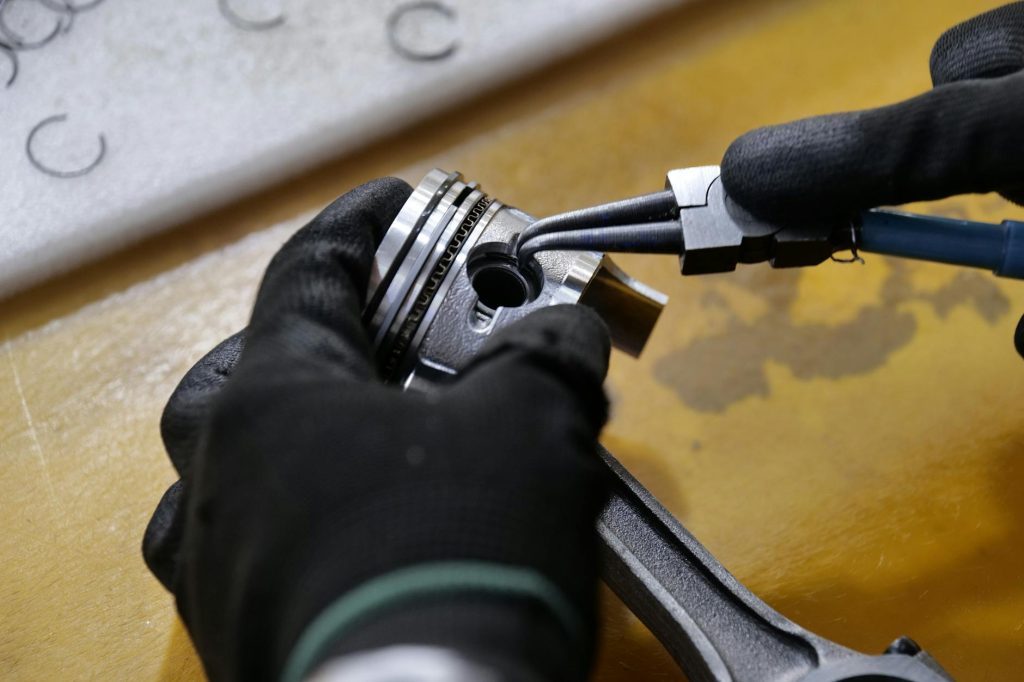
This article explains why piston ring failure leads to oil consumption, how it typically presents, how to confirm it using sensible checks and brand-specific diagnostics (like ODIS for Audi/VW), and what realistic repair paths and costs look like for everyday European car owners.
Recommended Tool: Professional OBD2 Scanner
🔧 Recommended Professional Tool
EA888 Engine Diagnostic ToolsEssential tools for EA888 engine diagnostics
✔ Recommended by automotive technicians ✔ Suitable for BMW, Mercedes, VAG & JLR platforms ✔ Fast international shipping
2. Causes
Oil consumption can come from outside the engine (leaks) or inside it (burning oil). With the A4 B8 2.0 TFSI, internal oil burning is often the headline issue, and piston rings are a major reason.
Recommended Tool: Professional OBD2 Scanner
Common causes on the 2.0 TFSI (EA888) platform
- Piston ring wear or ring design shortcomings
- The oil control rings can stick or fail to scrape oil properly from cylinder walls.
- Blow-by increases, pulling oil vapour into the combustion process.
- Cylinder wall glazing or wear
- If the engine has spent long periods on extended oil change intervals, rings may not seal well, increasing consumption.
- PCV (Positive Crankcase Ventilation) valve failure
- A faulty PCV can raise crankcase pressure and push oil vapour into the intake, mimicking ring issues.
- Turbocharger oil seal wear
- The turbo can leak oil into the intake or exhaust path; this is less common than rings but can be significant.
- Valve stem seal wear (less common than rings on this engine)
- Can cause oil burning after idling or on overrun, but usually not at the same level as ring failure.
3. Symptoms
Excessive oil consumption caused by piston rings tends to have a particular “pattern” compared to simple leaks.
Typical owner-noticed symptoms
- Oil level dropping quickly between services (for example, 1 litre per 1,000–2,000 km)
- “Add oil” warning messages appearing frequently
- Blue/grey smoke from the exhaust, especially after idle or during acceleration (may be subtle with a working catalytic converter)
- A persistent oily smell from the exhaust after a spirited drive
- Fouled spark plugs or misfires in severe cases
Possible related signs
- Rough idle or intermittent misfire (especially if plugs oil-foul)
- Increased carbon deposits in the combustion chamber (direct injection engines like TFSI are prone to deposits anyway)
- Reduced fuel economy over time
4. How to diagnose
Before jumping to “it needs piston rings,” you want evidence. Diagnosis should separate: external leaks, PCV/turbo issues, and true ring-related oil burning.
Step-by-step checks you can do (or ask for)
- Confirm the consumption rate
- Fill to the correct level, note the mileage, and track how much you add over 1,000–2,000 km.
- Use the correct oil spec (commonly VW 502.00/504.00 depending on engine and service regime).
- Check for external leaks
- Look around the oil filter housing, timing cover area, rocker/valve cover, sump, and rear main seal area.
- A small leak usually makes a mess; ring issues typically do not.
- Inspect PCV operation
- A failed PCV can create high crankcase vacuum or pressure issues.
- Many workshops will test crankcase pressure/vacuum and inspect for oil in intake piping.
Workshop diagnostics that help confirm ring issues
- Compression test and leak-down test
- Low compression or poor leak-down results can support ring sealing issues (though some engines still show “acceptable” compression while consuming oil).
- Borescope inspection
- A camera can reveal oil-wet cylinder walls, scoring, or heavy deposits.
- Scan for misfire and fuel trim data
- Using ODIS (Audi/VW Group), a technician can check misfire counters, fuel trims, and relevant engine data.
- Turbo inspection
- Checking intercooler and charge pipes for excessive oil pooling helps rule in/out turbo seal problems.
A key point: the most convincing evidence is a combination of high measured consumption plus internal-oil-burn indicators (plug condition, borescope findings, and crankcase ventilation checks).
5. How to fix
The right repair depends on the true cause. If piston rings are confirmed, the fix is more involved than simply changing oil grade.
If it’s not rings (cheaper fixes first)
- Replace the PCV valve assembly
- Often a straightforward job and worth doing if crankcase pressure readings are abnormal.
- Address turbo oil seal issues
- May require turbo rebuild/replacement and cleaning oil from intercooler/pipework.
- Fix external leaks
- Gaskets/seals can be replaced to eliminate “false” consumption.
If it is piston ring failure (the main event)
For ring-related consumption on the 2.0 TFSI, the durable fix usually involves:
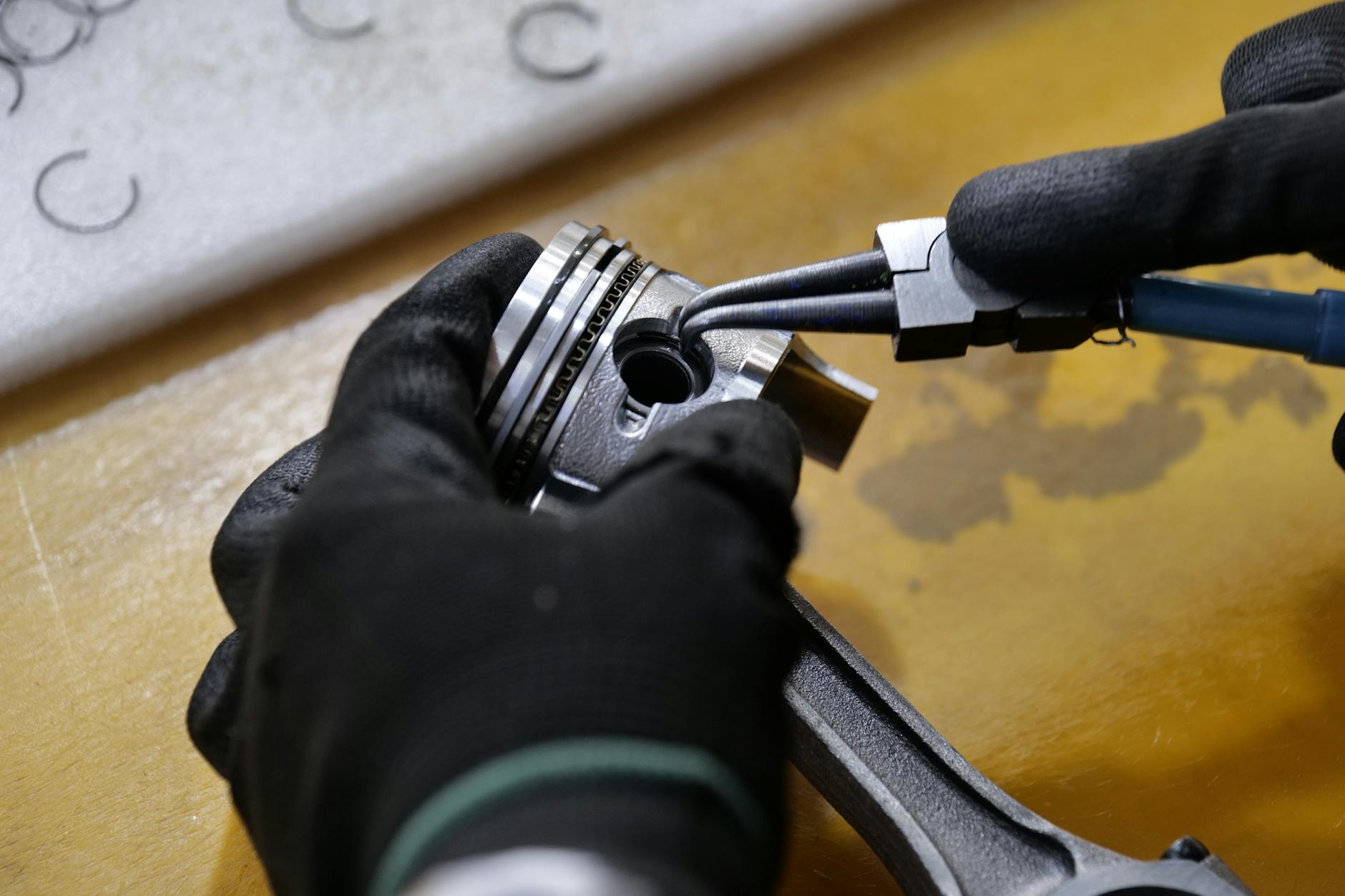
- Engine strip-down and piston/ring replacement
- Many repairs use updated pistons and ring packs where applicable.
- Cylinders may need honing; if scoring is severe, more extensive engine work may be required.
- Replace related wear items while in there
- Timing chain components (common service consideration on EA888 variants)
- Gaskets, seals, head bolts (where required), and fresh fluids
- Spark plugs and sometimes coils if oil fouling has occurred
Some owners consider used engines, but this can be a gamble unless the replacement engine’s consumption history is known and documented.
6. Repair costs
Costs vary widely by country, labour rate, and how deep the damage is. Below are realistic European ranges (parts + labour), assuming an independent VAG specialist vs. main dealer pricing.
- PCV valve replacement: €150–€350
- Turbocharger replacement/rebuild (if oil seals): €900–€2,200
- Oil leak repairs (gaskets/seals, typical): €200–€900
- Piston/ring repair with updated parts (engine out/major strip): €3,000–€6,500
- If cylinder damage requires machining or a replacement long block: €5,500–€10,000+
Budget also for “while-you’re-there” items. On this platform, it’s common for a workshop to recommend timing chain/tensioner inspection and replacement if wear indicators are present, which can add €800–€1,800 depending on scope.
7. Prevention tips
Not every case is preventable (some are design-related), but good habits can slow wear and help you catch problems early.
- Shorter oil change intervals
- Many owners do better with 10,000–15,000 km intervals rather than stretched long-life intervals.
- Use the correct oil specification
- Choose oil that meets the required VW/Audi spec; don’t rely on generic “fits all” oils.
- Warm up gently
- Avoid high load when oil is cold; ring sealing and turbo lubrication both suffer when cold.
- Monitor oil level regularly
- Check monthly or every second fuel fill, especially if you do motorway driving.
- Address PCV issues early
- A failing PCV can accelerate consumption and create drivability issues.
8. When to see a mechanic
Book a proper diagnostic appointment if:
- You’re adding more than 1 litre per 2,000 km, consistently
- The car smokes on acceleration or after idling
- You get misfire faults, rough idle, or repeated spark plug fouling
- You notice oil in boost pipes/intercooler, or the intake tract is unusually oily
- Consumption changes suddenly (fast worsening suggests a new failure, not just “age”)
Ask the workshop to document the consumption rate and findings. A VAG specialist using ODIS and performing leak-down/borescope checks can usually give you a confident direction before major spending.
9. Frequently Asked Questions
Frequently Asked Questions
Is it safe to drive with excessive oil consumption on an Audi A4 B8 2.0 TFSI?
It can be safe for a short time if you keep the oil level correct, but the risk increases quickly. Running low can damage the turbocharger and engine bearings, and heavy oil burning can harm the catalytic converter.
Can switching to a thicker oil stop the problem?
A slightly different viscosity may reduce consumption a little, but it rarely fixes piston ring wear or stuck oil control rings. Using an oil that doesn’t meet the correct VW specification can also create other issues.
How do I tell if it’s piston rings or the PCV valve?
A bad PCV often comes with crankcase pressure/vacuum abnormalities and oil in the intake path, and it’s relatively quick to test. Ring problems are more likely when consumption is high with no leaks, plugs show oil-related fouling, and leak-down/borescope results point to poor cylinder sealing.
Will the car fail emissions testing because it burns oil?
It can, especially if misfires occur or the catalytic converter becomes contaminated over time. Some cars still pass initially because the catalyst masks smoke, but ongoing oil burning often leads to expensive emissions-related failures later.
Is replacing the engine better than rebuilding it?
A rebuild with updated pistons/rings can be the most reliable long-term fix if done well. A used engine can be cheaper upfront, but it may have the same oil consumption issue unless its history and revision level are confirmed.