1. Introduction
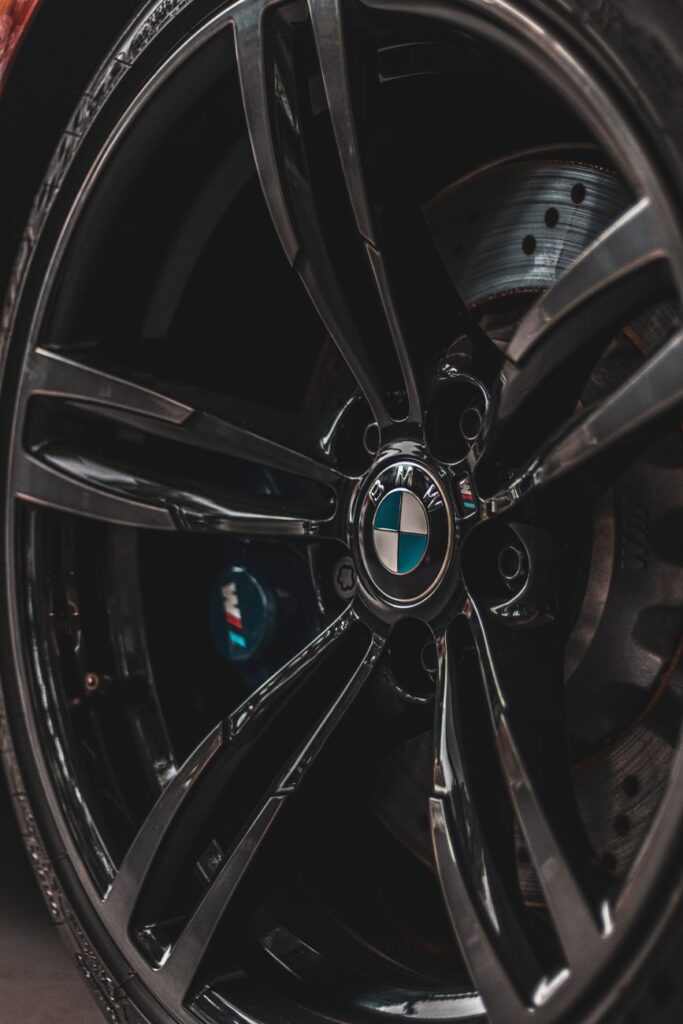
If you own a BMW—especially a modern 3 Series, 5 Series, X3, or X5—you may have noticed that brake discs (rotors) seem to wear out sooner than on some comparable cars. This isn’t always a sign of poor quality. In many cases it’s a predictable result of how BMW tunes braking feel, stability systems, and pad compounds, combined with typical European driving patterns (short trips, wet winters, motorway speeds, and stop-start city use).
Recommended Tool: Professional OBD2 Scanner
Recommended Tool: Premium Brake Pads
Recommended Tool: Cooling System Diagnostic Tools
Mercedes, Audi, VW Group (VW/Skoda/SEAT/Porsche), and JLR owners will recognize some of the same influences, but BMWs often feel more “eager” on the brake pedal—and that can translate into different wear characteristics. The goal of this guide is to explain why discs wear faster, what to look for, how to diagnose it at home, and when it’s time to involve a workshop.
🔧 Recommended Professional Tool
Mercedes OM651 Diesel ToolsAdvanced diesel diagnostic tools for OM651
✔ Recommended by automotive technicians ✔ Suitable for BMW, Mercedes, VAG & JLR platforms ✔ Fast international shipping
2. Causes
Brake pad compound and “bite” tuning
BMW commonly uses pad materials designed for strong initial bite and consistent feel. Some compounds are more abrasive to discs, especially if you choose aggressive OEM-style pads or performance variants (often fitted to M Sport packages). The trade-off is excellent pedal response but higher disc wear.
Stability control and brake-based torque vectoring
Systems like DSC (Dynamic Stability Control) and brake-based torque vectoring can lightly apply individual brakes to manage understeer and traction. You don’t always feel these small interventions, but they add heat cycles and micro-wear to discs over time—particularly on twisty roads or in wet conditions.
Frequent short trips and corrosion wear
In many parts of Europe, cars do short commutes and sit overnight in damp air. Light surface rust forms quickly on discs; the next drive scrubs it off. That “rust-cleaning” action is normal, but repeated cycles can increase wear—especially if the car isn’t braking hard enough to fully clean and heat the discs.
Caliper slide pin or piston issues (light dragging)
A slightly sticking caliper doesn’t always cause obvious pulling. It can just keep a pad touching the disc, generating heat and accelerating wear. This is common after winters with road salt, and it can happen across brands, including Mercedes (e.g., C/E-Class), Audi/VW (ATE calipers), and JLR.
Automatic transmissions and driving style
Cars with ZF 8HP automatics or BMW’s strong engine braking strategies can lead to lighter brake use on many stops—meaning discs stay cooler and more prone to corrosion wear. Conversely, spirited driving and repeated high-speed braking (common on German motorways) pushes temperatures up and can cause heat spotting and accelerated disc thickness loss.
Heavy vehicles and large wheels
An X5, X7, Range Rover, or large Audi SUV places more load through the brakes. Larger wheels can also encourage bigger brake packages, but the vehicle mass still demands more energy dissipation. More energy equals more heat cycles, which can mean faster disc wear.
3. Symptoms
What you might notice day to day
- Vibration through the pedal or steering wheel when braking from 80–120 km/h (often blamed on “warped” discs, but usually uneven deposit or thickness variation).
- Squealing or scraping that changes with light vs. firm braking.
- Longer stopping distances or less consistent bite.
- Brake dust building quickly (pad compound dependent).
- A hot brake smell after normal driving, suggesting drag.
Dashboard warnings (sometimes)
Some BMWs will trigger service messages based on pad wear sensors, but discs can be out of spec even if pads are not. Other brands may log faults or brake temperature-related data without showing a warning.
4. How to diagnose
Basic checks you can do safely
- Visual disc condition (wheel on): Look for heavy lipping at the outer edge, deep grooves, blue heat spots, or patchy surfaces.
- Wheel temperature comparison: After a normal drive (no heavy braking), cautiously check whether one wheel is noticeably hotter than the others. A single hot corner suggests a sticking caliper or parking brake issue.
- Listen and feel: A rhythmic scrape can indicate pad backing plate contact or a stone trapped in the shield.
Measuring disc thickness (best quick confirmation)
If you have access to a jack and can safely remove the wheel, measure disc thickness with a micrometer. Compare it to the MIN TH (minimum thickness) stamped on the disc hub or listed in the service data. Driving below minimum thickness can cause overheating, cracking, and poor braking.
Using brand diagnostic tools (when relevant)
If you or your workshop has access to OEM-level diagnostics, you can look for clues:
- BMW ISTA: Check DSC intervention history, brake pad sensor status, and any stored chassis faults. ISTA can also guide through brake service functions on newer models.
- Mercedes Xentry: Review ESP/ABS events and check for brake-related fault codes or implausible wheel speed signals that cause frequent interventions.
- VAG ODIS: Look for ABS/ESC logs, electronic parking brake status, and perform guided functions after rear brake work.
- JLR SDD/Pathfinder: Check EPB (electronic parking brake) operation and any logged ABS interventions.
These tools won’t “measure” disc wear directly, but they help confirm whether a control system issue, EPB misbehavior, or sensor fault is contributing to abnormal wear.
5. How to fix
Replace discs and pads as a matched set
In most cases, the correct fix for worn discs is new discs and new pads together on the same axle. Mixing new pads with heavily worn discs (or vice versa) often causes noise, poor bedding-in, and uneven braking.
Address underlying causes to stop repeat wear
- Service caliper slide pins: Clean and lubricate with the correct high-temp grease; replace torn boots.
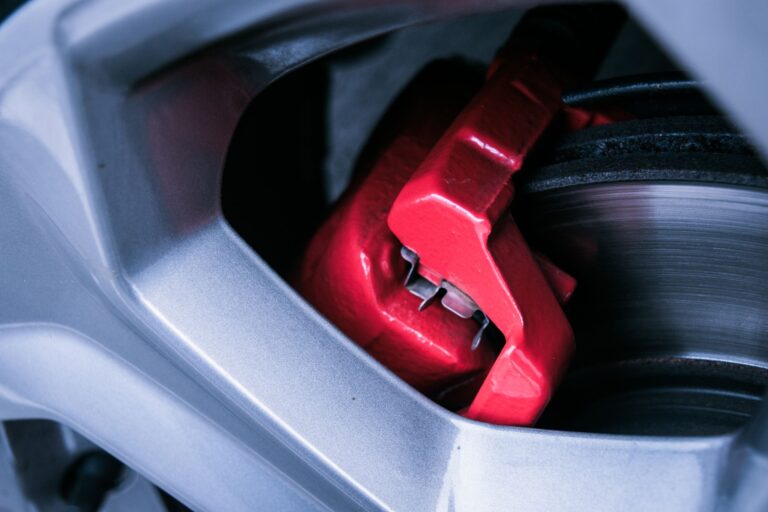
- Check caliper piston condition: A sticking piston may require a caliper rebuild or replacement.
- Inspect brake hoses: Internally collapsed hoses can act like a one-way valve and cause dragging.
- Verify EPB operation (rear brakes): Especially on BMW G-series, VAG, and JLR where rear brakes integrate with electronic parking brake systems.
- Wheel hub cleanliness: Rust on the hub face can create disc runout and lead to vibration complaints soon after a brake job.
Bed-in procedure matters
A proper bedding-in sequence helps prevent uneven pad material transfer. Follow the pad/disc manufacturer guidance, but generally it involves a series of medium stops from moderate speed with cooling time, avoiding holding the pedal firmly at a standstill when the brakes are very hot.
6. Repair costs
Costs vary widely by model, brake package (standard vs. M Sport/M Performance), and country. Typical European independent workshop ranges (parts + labor):
BMW (common examples)
- 3 Series/4 Series (e.g., F30/F32) front discs + pads: €350–€750
- 5 Series (G30) front discs + pads: €500–€1,000
- X5 (F15/G05) front discs + pads: €700–€1,400 (larger discs and higher labor)
Comparable premium brands
- Mercedes C/E-Class (e.g., OM651 diesel models) front set: €400–€900
- Audi A4/A6 or VW Group (DSG models) front set: €300–€800
- JLR (Discovery/Range Rover Sport) front set: €650–€1,500
Add-ons that change the bill:
- Caliper replacement (one corner): +€250–€600 (more for performance calipers)
- Brake fluid flush: €80–€150
- EPB service mode / adaptations (rear work on some models): often included, sometimes +€30–€80
7. Prevention tips
- Do occasional firm braking (when safe) to fully clean and heat the discs, especially after wet weather.
- Avoid resting your foot on the brake in slow traffic; light contact can keep pads dragging.
- After hard braking, don’t hold the pedal at a standstill for long—this can imprint pad material and lead to judder.
- Wash wheels and brakes in winter to reduce salt buildup, but drive gently afterward to dry the brakes.
- Use quality parts matched to your use: OEM, OEM-equivalent, or low-dust options. Ultra-aggressive pads can eat discs quickly.
- Check caliper hardware during tyre changes: A quick look for uneven pad wear can catch dragging early.
8. When to see a mechanic
Book a professional inspection if:
- The car vibrates under braking, especially at motorway speeds.
- One wheel is consistently hotter than the others or you smell burning after normal driving.
- You see cracks, heavy scoring, or blue heat spots on discs.
- A warning appears for brakes/DSC/EPB, or you’re due for a brake service and want it done correctly with the right reset procedures (ISTA, Xentry, ODIS, Pathfinder/SDD where applicable).
- You suspect a sticking caliper—continuing to drive can overheat the brake fluid and damage wheel bearings.
9. Frequently Asked Questions
Frequently Asked Questions
Do BMW brake discs really wear faster than Mercedes or Audi?
Often they do, but it depends on pad compound, driving style, and how often stability systems intervene. BMW’s brake feel and control strategies can contribute to more frequent light brake use. A well-maintained BMW can still achieve normal disc life with the right parts and bedding-in.
Can “warped discs” be fixed without replacing them?
Sometimes vibration is caused by uneven pad material transfer rather than true disc warping. A careful re-bedding procedure or pad change can improve it, but if the disc is below minimum thickness or has thickness variation, replacement is the safe fix. A workshop can measure runout and thickness to confirm.
Why do my discs rust so quickly and does that mean they’re bad?
Surface rust after rain or overnight is normal for cast iron discs, especially in humid or salty conditions. The first few brake applications usually clean it off. If rust remains in patches or you do lots of gentle braking, corrosion wear can accelerate and cause noise or judder.
Should I replace discs and pads on both axles at the same time?
Not necessarily—replace them by axle if wear requires it, because front and rear brakes often wear at different rates. However, both sides of the same axle should always be replaced together for balanced braking. If the car has an electronic parking brake, ensure the correct service mode and resets are done.
Does using low-dust pads help discs last longer?
Low-dust pads can be gentler on discs, but not always; some formulas trade dust for higher disc wear or different noise behavior. The best approach is to choose a reputable pad designed for your car’s weight and performance level. If you drive hard or tow, prioritize temperature stability over minimal dust.