1. Introduction
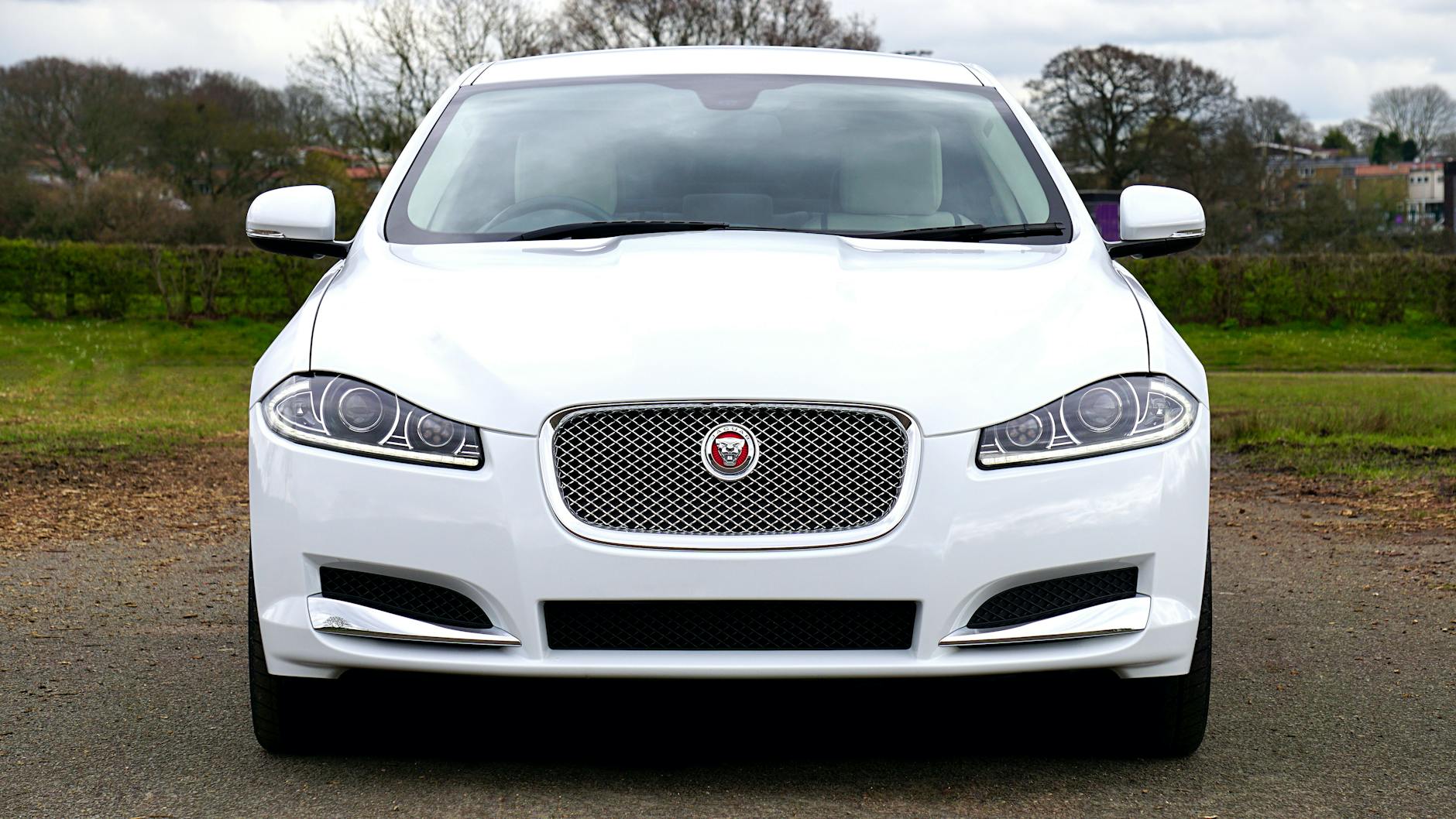
The Jaguar XF X260 2.0D is a refined long-distance car, and in many European households it shares garage space (and driving expectations) with BMW 3/5 Series, Mercedes C/E-Class, Audi A4/A6, and VW Group models. One front-end issue that tends to catch owners off guard is front control arm ball joint wear or failure, which can turn a quiet, stable car into one that feels vague, noisy, and unevenly wearing tyres. Because modern suspension is tightly integrated with stability systems and precise alignment settings, this is not just an “annoying noise” problem—it can affect braking stability, tyre life, and safety.
Recommended Tool: Professional OBD2 Scanner
Recommended Tool: Premium Brake Pads
Recommended Tool: OEM Suspension Components
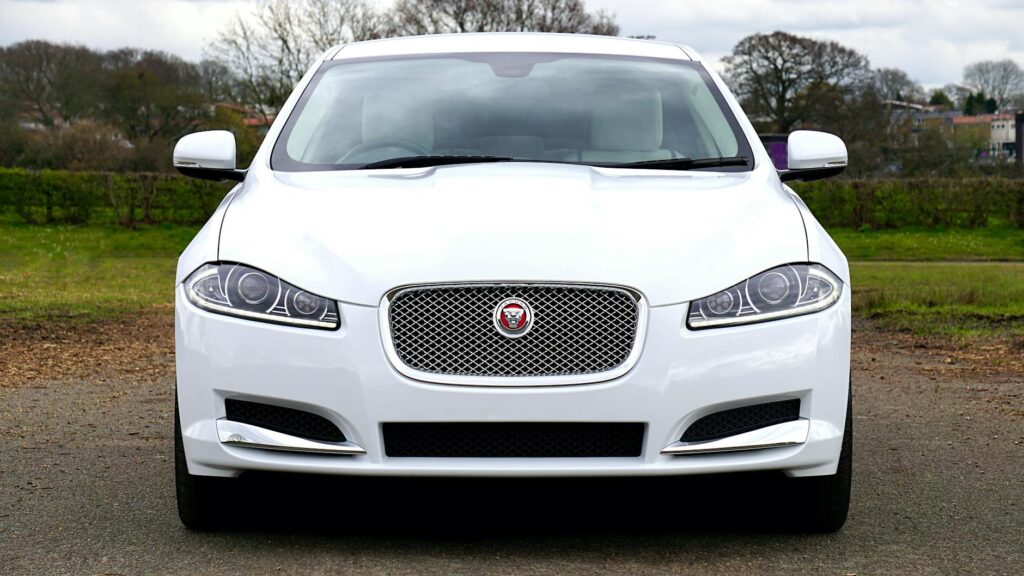
This post focuses on the Jaguar XF X260 2.0D front control arm ball joint failure, what causes it, how to diagnose it correctly, and what to expect when repairing it. Where helpful, it also explains OEM cross-references—why different brands or part numbers may still be the same underlying component.
🔧 Recommended Professional Tool
Brake System UpgradePremium brake pads and diagnostic tools for vibration and braking issues.
✔ Recommended by automotive technicians ✔ Suitable for BMW, Mercedes, VAG & JLR platforms ✔ Fast international shipping
2. Causes
Ball joints are designed to articulate smoothly while carrying load. On the XF X260, the front control arm ball joint is stressed by vehicle weight, steering input, road impacts, and braking forces. Common causes of early wear include:
- Road conditions and impacts
Potholes, kerb strikes, and speed bumps taken at speed can deform the joint seat or damage internal bearing surfaces. - Boot (dust cover) damage
A split boot lets water and grit in, washing out grease and accelerating wear quickly. - Age and mileage
Even without a dramatic impact, the joint’s bearing surfaces slowly loosen; high-mileage motorway cars can still wear joints due to constant micro-movements. - Incorrect wheel alignment or worn tyres
Persistent toe/camber issues add side-load to joints and bushings. - Mixed-quality parts in previous repairs
Aftermarket arms vary widely in joint quality. A cheap arm can wear rapidly even if fitted correctly. - Heavy front-end load patterns
Frequent short trips with lots of steering at low speed (parking, urban driving) can increase wear compared with steady cruising.
3. Symptoms
Ball joint wear often starts subtly. Owners commonly report:
- Clunking or knocking from the front over small bumps or when transitioning on/off the brakes
- Vague steering feel or the car “wandering” on motorways
- Steering wheel shimmy at certain speeds (often confused with wheel balance)
- Uneven or rapid tyre wear, especially on the inside edge
- Squeaking/creaking at low speed when turning into driveways or over speed humps
- Alignment that won’t stay set (you align it, but it drifts out again)
On the XF X260, a worn ball joint can also make the car feel less stable under braking—important on a diesel that sees lots of motorway kilometres.
4. How to diagnose
A correct diagnosis matters because the symptoms can mimic worn bushings, top mounts, wheel bearings, or even tyre defects. You can do several checks as an owner, then confirm with a workshop.
Basic checks you can do
- Visual inspection (wheel on the ground, then lifted)
Look for a torn or leaking ball joint boot. Grease around the joint area is often a sign the boot has failed. - Tyre wear pattern check
Run your hand along the inner tyre shoulder. A sharp “feathered” edge can indicate toe changes caused by joint play. - Listen during a slow steering test
In a quiet area, turn lock-to-lock at low speed and listen for clicking/clunking.
Workshop-level confirmation
A competent workshop will:
- Lift the car safely and check play at the wheel with the suspension loaded appropriately (ball joints can hide play if the suspension is hanging).
- Use a pry bar to load the joint and observe vertical/horizontal movement.
- Inspect related parts: drop links, control arm bushings, subframe mounts, and top mounts.
Diagnostic tools (when relevant)
Ball joints themselves don’t “throw fault codes,” but driver-assistance and stability systems can react to changes in alignment or wheel speed signals. Jaguar specialists may use SDD or Pathfinder to check for stored chassis/ABS events, steering angle calibration status, or to confirm no related sensor issues are present. This is similar in concept to BMW ISTA, Mercedes Xentry, or VAG ODIS—not because the joint is electronic, but because modern cars interpret the consequences electronically.
5. How to fix
In many cases, the practical repair is replacing the complete control arm (or the relevant arm on the affected side), because the ball joint is frequently supplied as part of the arm assembly. Some arms allow ball joint replacement separately, but labour and reliability often favour full arm replacement.
Typical repair approach
- Replace the front lower control arm (or the specific arm that contains the failed joint) on the affected side.
- Many workshops recommend replacing both sides if mileage is high, because wear tends to be similar left-to-right.
- Perform a full four-wheel alignment afterwards. Skipping alignment is a common reason owners feel the repair “didn’t fix it.”
OEM cross-references (what it means for you)
When you see different brands, part numbers, or listings that claim “OE equivalent,” it can be confusing. In practice:
- The same arm may be manufactured by an OEM supplier and sold under multiple labels.
- Jaguar part numbers can supersede over time; a newer number may replace an older one even though fitment is the same.
- Some aftermarket arms are excellent (proper metallurgy, boot quality, pre-greased correctly), while others are not. The lowest price option often cuts corners on the ball joint.
A good rule: if you plan to keep the car, choose genuine Jaguar or a high-quality OEM/OE supplier option, and insist on an alignment afterward.
6. Repair costs
European repair pricing varies by region and labour rate, but realistic ranges (parts + labour) for an XF X260 are:
- Single front control arm replacement (one side): €300–€650
- Parts: €120–€350 (aftermarket to genuine/OE quality)
- Labour: €120–€250 depending on access and corrosion
- Both sides (pair of arms): €550–€1,100
- Parts: €240–€700
- Labour: €200–€400
- Wheel alignment (recommended after any arm/ball joint work): €90–€160
- Additional “while you’re there” items (if worn):
- Drop links: +€80–€200 fitted
- Tyres (if inner edges are damaged): widely variable, but often €300–€700 per axle
If bolts are seized (common in cars exposed to winter road salt), labour can climb due to extra time, heat, or cutting hardware.
7. Prevention tips
You can’t eliminate wear, but you can slow it down and avoid repeat failures:
- Avoid impacts: slow for potholes and speed bumps; avoid mounting kerbs.
- Check tyres regularly: inner-edge wear is a warning sign—rotate attention to front alignment and joints early.
- Wash winter salt off the underbody when practical, especially after long motorway trips in salted conditions.
- Address torn boots early: if you catch a split boot early, you may prevent rapid wear (depending on design).
- Choose quality parts: a good ball joint boot and proper grease retention matter more than many owners realise.
- Do alignment after suspension work: alignment protects tyres and prevents the new joint from being side-loaded.
8. When to see a mechanic
Book a professional inspection promptly if:
- You hear a metallic clunk over bumps or during braking transitions
- Steering feels unstable at speed, or the car pulls unpredictably
- You notice rapid inner tyre wear or cords showing
- The car fails an inspection/MOT-style test for suspension play
- The joint boot is torn and you drive in wet/gritty conditions
Suspension play can worsen quickly once the boot fails, and continued driving can increase tyre costs and compromise safe handling.
9. Frequently Asked Questions
Frequently Asked Questions
Can I keep driving with a worn front control arm ball joint on an XF X260?
A small amount of wear may feel like minor noise at first, but it can worsen quickly—especially if the boot is torn. Continued driving risks unstable braking/steering and can destroy tyres on the inner edge. It’s best treated as a near-term repair, not a “next year” job.
Do I need to replace both sides at the same time?
Not always, but it’s common for both sides to be at similar wear if mileage and conditions are similar. Replacing both can restore balanced steering feel and may reduce the chance of paying for alignment twice. If budget is tight, replacing the failed side first is acceptable as long as the other side is inspected carefully.
Will Jaguar SDD or Pathfinder show a fault code for a bad ball joint?
Usually no, because a ball joint is a mechanical wear item. However, diagnostics can help rule out related issues (ABS/DSC events, steering angle calibration problems) and confirm there isn’t an electronic cause for instability. Think of it as supporting diagnosis rather than direct detection.
Why do some listings show different part numbers or “OE equivalent” options?
Jaguar part numbers can be superseded, and OEM suppliers may sell the same design under their own branding. “OE equivalent” ranges from excellent to poor, so brand and supplier quality matter. If you plan to keep the car, prioritise genuine or proven OE/OEM suppliers rather than the cheapest option.
Is wheel alignment mandatory after replacing a control arm or ball joint?
Yes, it’s strongly recommended. Even small geometry changes can cause pulling, steering wheel off-centre, and rapid tyre wear. Alignment is also the easiest way to protect your new parts and ensure the XF drives as intended.