1. Introduction
Replacing front brake discs (rotors) on a Jaguar XF X250 3.0D is one of those “everyday” jobs that has a big impact on safety, comfort, and running costs. The X250’s weight, strong diesel torque, and often motorway-heavy use mean the front brakes do a lot of work—especially on 3.0D variants (commonly the AJV6D/DT engine family) paired with the ZF 6HP automatic gearbox on earlier cars. The good news is that front discs are straightforward to choose and maintain if you understand OEM specifications, what aftermarket options really mean, and how to avoid common pitfalls like vibration, noise, or premature wear.
Recommended Tool: Professional OBD2 Scanner
Recommended Tool: Premium Brake Pads
Recommended Tool: Cooling System Diagnostic Tools
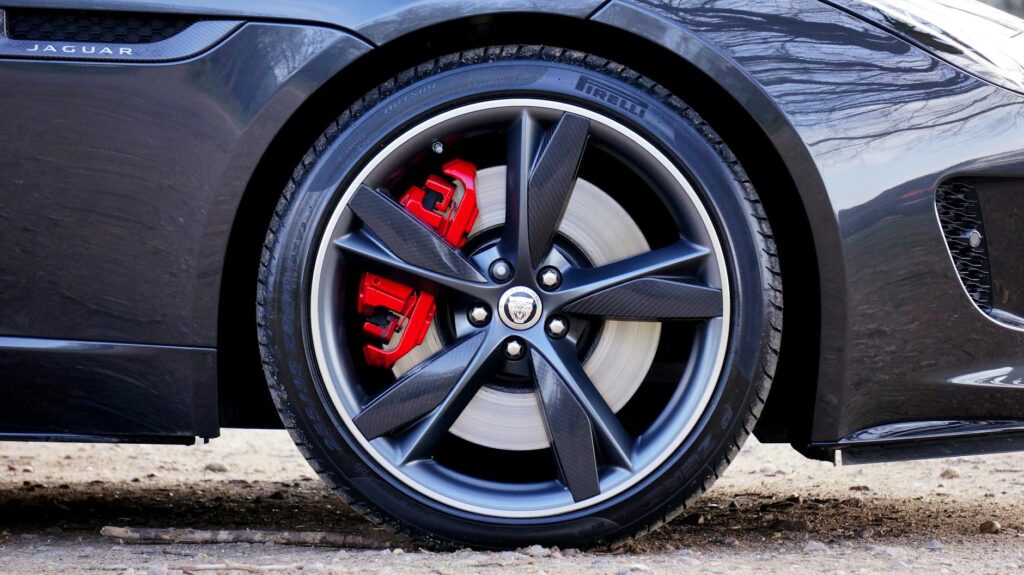
This guide is written for normal owners across Europe—whether you also run a BMW (N47/N57), Mercedes (OM651/OM642), Audi/VW (2.0 TDI, DSG), or another JLR product. The principles are the same: correct sizing, correct pad matching, and correct bedding-in matter more than the logo on the box.
🔧 Recommended Professional Tool
Mercedes OM651 Diesel ToolsAdvanced diesel diagnostic tools for OM651
✔ Recommended by automotive technicians ✔ Suitable for BMW, Mercedes, VAG & JLR platforms ✔ Fast international shipping
2. Causes
Front brake discs need replacement due to wear, heat stress, or corrosion. On the XF X250 3.0D, the most common reasons are:
- Normal wear and thickness loss from mileage and braking style
- Heat-related distortion (often felt as vibration) from repeated hard stops or towing
- Corrosion and pitting, especially on cars that sit unused or do short trips in wet climates
- Poor-quality pads or mismatched pad/disc compounds, which can leave uneven material deposits
- Sticking caliper sliders or a dragging piston, overheating one disc
- Improper wheel bolt tightening (uneven torque) causing disc runout symptoms
If your XF has electronic parking brake (rear) it’s not directly involved with front discs, but overall braking balance still matters—cheap rear parts or neglected rear calipers can indirectly increase front workload.
3. Symptoms
Worn or failing front discs usually announce themselves clearly. Watch for:
- Steering wheel shake under braking, especially from 80–120 km/h
- Pulsation through the brake pedal
- Squealing or grinding noises (grinding often means pad material is gone)
- Longer stopping distances or reduced confidence in repeated stops
- Uneven pad wear left-to-right
- Visible lip on the disc edge or heavy scoring
- Blue/purple heat spots on the disc surface
A light vibration doesn’t always mean a “warped disc”—often it’s disc thickness variation from pad deposits. The fix is still usually new discs and pads, plus addressing the cause.
4. How to diagnose
You can do a meaningful diagnosis at home with basic tools, and confirm details with JLR diagnostics if needed.
Visual and physical checks (home-friendly)
- Wheel-off inspection: look for deep grooves, cracks, heavy rust bands, or heat spotting.
- Disc thickness: compare against the minimum thickness stamped on the disc hat (or in service data). If it’s near or under limit, replace.
- Pad condition: if pads are worn unevenly, suspect slider issues or a caliper problem.
- Check for a disc “lip”: a big lip suggests significant wear.
Runout and vibration diagnosis
If you feel vibration:
- Check wheel torque history: uneven tightening can mimic disc problems.
- Measure disc runout with a dial gauge if available. Excess runout can be caused by rust between disc and hub, not just the disc itself.
- Inspect the hub face: any corrosion or debris will prevent the disc sitting flat.
Diagnostic tools (when relevant)
Jaguar’s SDD (and later Pathfinder on newer platforms) won’t “tell you” a disc is worn, but it can help by:
- Checking ABS wheel speed sensor data if you suspect an ABS intervention feeling like brake judder
- Looking for DSC/ABS faults that might indicate sensor or hydraulic issues
- Confirming whether any brake-related warning messages were logged
If you also own other brands: BMW ISTA, Mercedes Xentry, and VAG ODIS are similarly useful for ruling out ABS/ESP anomalies, but discs themselves are still a mechanical inspection.
5. How to fix
Front brake disc replacement is best done as a set: both front discs + pads, and ideally new hardware where applicable. Here’s the owner-focused approach to doing it right—whether you DIY or supervise a workshop.
Step 1: Confirm your exact brake setup
Jaguar XF X250 models can have different disc diameters depending on trim, year, and braking package. Before ordering:
- Use your VIN to verify the correct disc size and type
- Confirm whether your car uses vented front discs (most do) and whether it has a performance brake package
- Check wheel size clearance if you’re considering larger or different discs
Step 2: Understand OEM specs vs aftermarket choices
OEM spec typically means:
- Correct diameter/thickness/offset (critical)
- Correct ventilation design
- Correct metallurgy and balancing
- Often coated hats/edges for corrosion resistance (varies by supplier)
Aftermarket alternatives fall into realistic categories:
- OE supplier equivalents (often the best value): brands that supply vehicle manufacturers or match their spec closely
- Coated discs (recommended in wet/salty climates): reduce ugly rust on non-swept areas and help prevent hub bonding
- High-carbon discs: can reduce noise and vibration and cope better with repeated braking—useful on heavier cars like the XF
- Drilled or heavily grooved discs: mostly cosmetic for road use; can add noise, crack risk, and pad wear unless from a reputable performance line
For everyday European driving, a quality plain or lightly slotted, coated high-carbon disc paired with matching pads is usually ideal.
Step 3: Replace pads and consider brake fluid condition
New discs with old pads is a common false economy. Old pads can be glazed or uneven and will quickly ruin the new disc surface. Also:
- If brake fluid is over 2 years old, consider a flush; old fluid boils easier and can make brakes feel inconsistent.
Step 4: Installation details that prevent comebacks
Whether DIY or at a garage, insist on the basics:
- Clean the hub face to bare metal and remove rust scale
- Use a thin smear of appropriate anti-seize only where specified (never on friction surfaces)
- Torque wheel bolts correctly in a star pattern with a torque wrench
- Ensure caliper slider pins move freely and boots are intact
- Bed-in the brakes properly: gentle stops to transfer an even pad layer, avoiding hard braking from high speed for the first 200–300 km
If a caliper is sticking, replacing discs without fixing the caliper will lead to rapid disc wear and overheating again.
6. Repair costs
Costs vary by country and whether you choose OEM, OE-equivalent, or premium aftermarket parts.
Typical European price ranges (front discs + pads, Jaguar XF X250 3.0D):
- Parts (OE-quality aftermarket): €180–€350
- Parts (OEM/Jaguar boxed or premium lines): €350–€650
- Labour: €120–€250 (about 1.0–1.8 hours depending on shop rate and corrosion)
- Total typical: €300–€900
Extra costs that sometimes appear:
- Caliper slider service or rebuild: +€60–€200
- One seized caliper replacement: +€250–€600 (plus fluid bleed)
- Brake fluid flush: +€60–€120
If you’re quoted well above this range, ask whether the shop is including calipers, hoses, or a full brake overhaul.
7. Prevention tips
You can extend disc life significantly with a few habits:
- Avoid resting your foot on the brake pedal on long descents; use engine braking where safe (the ZF 6HP will respond to manual downshifts).
- Rinse winter salt off the wheels periodically to reduce corrosion.
- Drive the car regularly; long periods parked encourage disc pitting.
- Use quality pads matched to your discs, not the cheapest option available.
- Torque wheels correctly after tyre work—many brake “warping” complaints start at the tyre shop.
- Address sticking calipers early if you notice hot wheel smell or one wheel dusting heavily.
8. When to see a mechanic
Get professional help promptly if:
- The car pulls to one side under braking
- You smell burning after normal driving or one front wheel is noticeably hotter
- You hear grinding (likely metal-to-metal)
- The brake pedal feels spongy or sinks (possible hydraulic issue)
- ABS/DSC warnings appear and don’t clear
A workshop can measure runout properly, check caliper function, and if needed use SDD to confirm there are no ABS/DSC control issues contributing to odd brake behavior.
9. Frequently Asked Questions
Frequently Asked Questions
Should I replace front brake discs and pads together on the Jaguar XF X250 3.0D?
Yes, it’s strongly recommended. Old pads can have uneven wear patterns or glazing that will quickly create vibration or poor braking on new discs. Replacing both also ensures proper bedding-in and consistent friction.
What’s the difference between OEM discs and OE-equivalent aftermarket discs?
OEM usually means Jaguar-boxed parts built to Jaguar’s purchasing specification, often from a major supplier. OE-equivalent aftermarket parts are typically made to the same dimensions and performance targets but can vary in coating, metallurgy, and quality control. A reputable OE-equivalent brand is often the best balance of cost and performance for daily driving.
Do drilled or grooved discs improve braking on the road?
In normal road use, they rarely shorten stopping distances and can increase noise and pad wear. Poor-quality drilled discs can develop cracks over time, especially with heavy braking. For most XF owners, a quality plain or lightly slotted disc is the sensible choice.
Why do I get steering wheel vibration after fitting new front discs?
The usual causes are hub face corrosion not cleaned properly, uneven wheel bolt torque, or incorrect bedding-in leading to uneven pad material deposits. It can also happen if a caliper slider is sticking and overheating one side. A shop can measure runout and check caliper movement to pinpoint the cause.
How long should front brake discs last on an XF X250 3.0D?
Many drivers see 60,000–120,000 km, but it depends heavily on driving style, terrain, and pad choice. Short trips and winter corrosion can reduce life even if mileage is low. Regular inspection and good-quality parts make lifespan more predictable.