1. Introduction
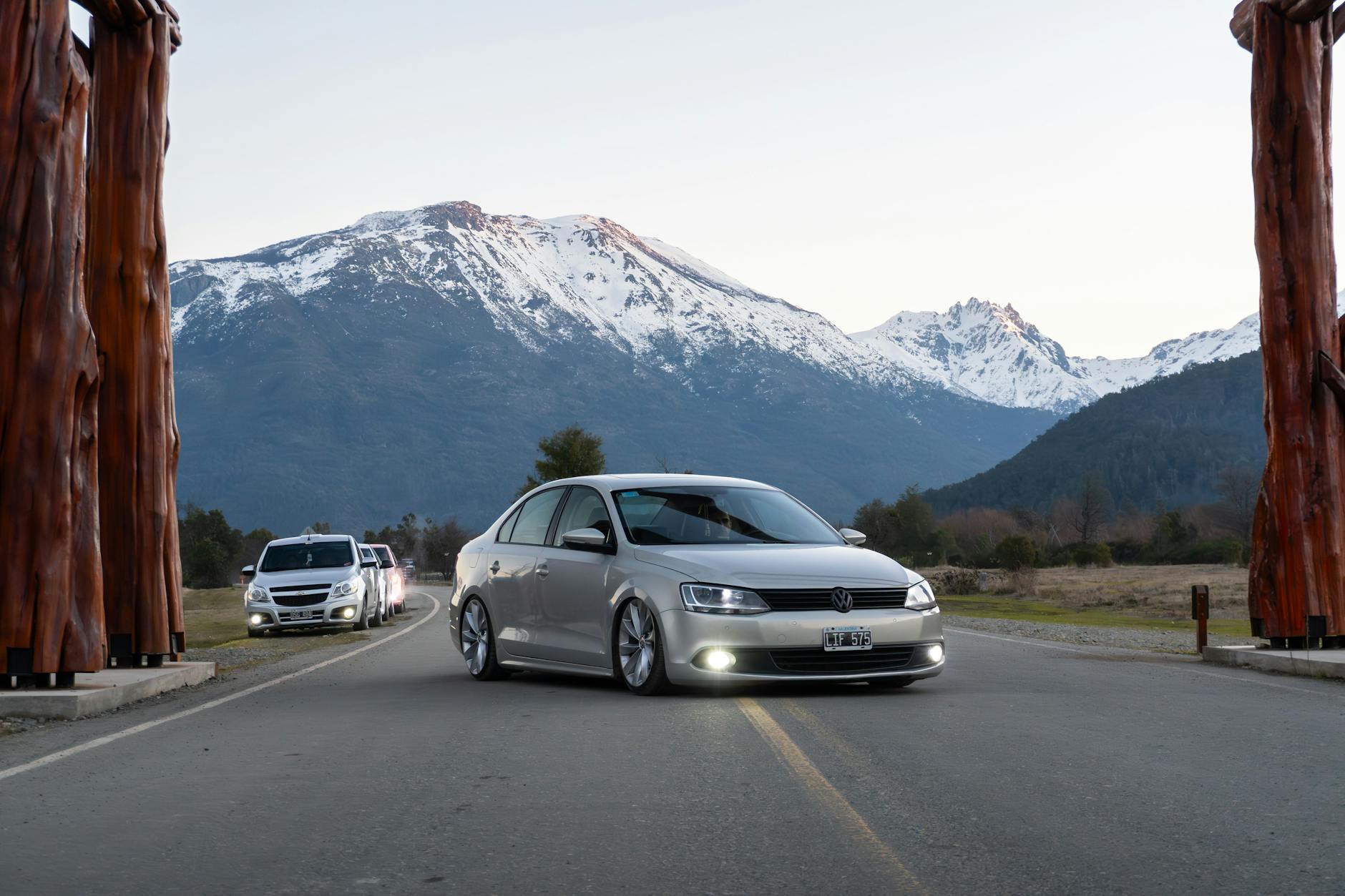
A suspension noise that seems to come from the front end—especially a knock, clunk, creak, or metallic “tap” over bumps—is one of the most common complaints on everyday European cars. On a VW Jetta Mk6 2.0 TDI (common engine codes include CBEA, CJAA, CFHC depending on market), the usual suspects are the lower ball joints, control arm bushings, and the strut top mounts/bearings. These parts all live in the same area, they can sound similar when worn, and they often fail gradually—so the car can feel “mostly fine” while the noise gets worse.
Recommended Tool: Professional OBD2 Scanner
Recommended Tool: Premium Brake Pads
Recommended Tool: OEM Suspension Components
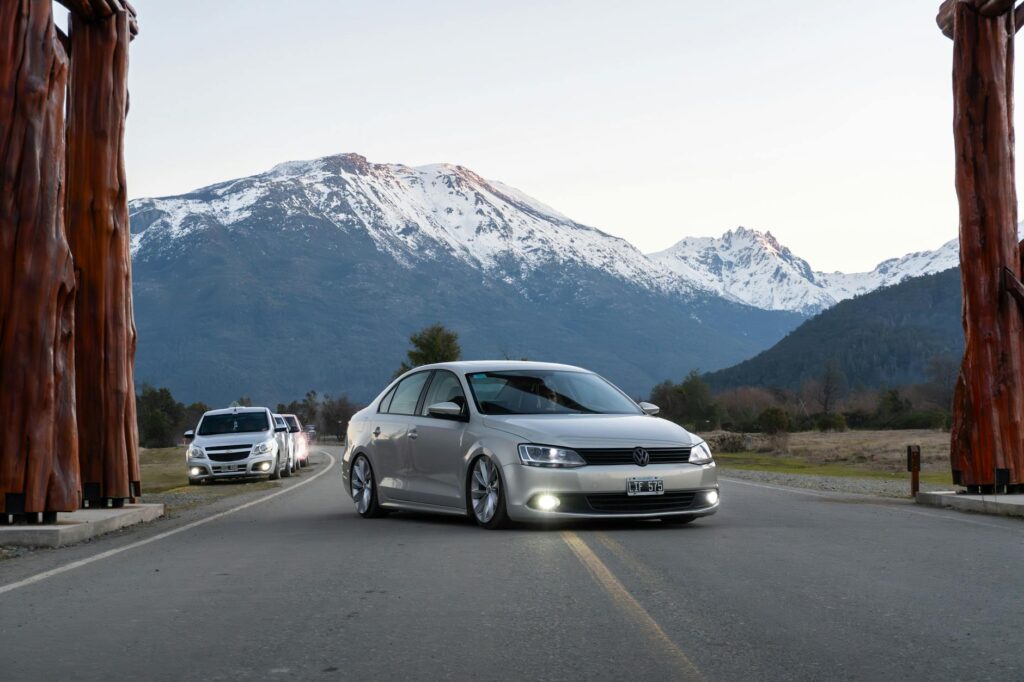
This guide is written for owners, not mechanics. You’ll learn what typically causes these noises, what you can check safely at home, and how a workshop will confirm the exact fault using proper lift checks and (when relevant) factory diagnostic systems such as ODIS.
🔧 Recommended Professional Tool
Brake System UpgradePremium brake pads and diagnostic tools for vibration and braking issues.
✔ Recommended by automotive technicians ✔ Suitable for BMW, Mercedes, VAG & JLR platforms ✔ Fast international shipping
2. Causes
Front suspension noises usually come from free play (movement where there shouldn’t be), dried-out rubber, or a bearing that no longer turns smoothly. On the Jetta Mk6 platform, pay special attention to:
Ball joint wear (lower ball joint)
- The ball joint links the control arm to the steering knuckle and carries load while allowing steering movement.
- Wear develops internally; grease can dry out and the joint starts to loosen.
Control arm bushing failure (front or rear bushing)
- Bushings are rubber (sometimes hydraulic) mounts that isolate vibration while allowing controlled movement.
- They crack, tear, soften with age, or separate from the metal sleeve—often worse on cars used on poor roads or with larger wheels.
Strut mount / strut bearing wear (top mount)
- The upper mount contains rubber and a bearing plate that allows the strut to rotate when steering.
- When it binds or the rubber collapses, it can creak when turning or clunk on bumps.
Secondary contributors that mimic the same noise
Even when you’re focused on ball joint vs bushing vs strut mount, these can confuse diagnosis:
- Drop links (anti-roll bar links): common, cheap, and noisy when worn.
- Anti-roll bar bushes: can creak at low speed.
- Loose subframe bolts (rare but important after prior work).
- Worn struts/shocks: internal wear can create a dull knock, especially if the bump stops are damaged.
3. Symptoms
Different faults “sound” and “feel” slightly different. Use these clues to narrow it down:
Ball joint
- Sharp clunk over small bumps, potholes, or when braking lightly over uneven surfaces
- Steering may feel slightly vague or “wandery”
- In advanced cases: uneven tyre wear and noticeable play
Control arm bushings
- Thud on take-off or braking (fore/aft movement)
- Tramlining or instability at motorway speeds
- Steering may feel inconsistent: tight one moment, loose the next
- Visible cracking or tearing in rubber
Strut mount / bearing
- Creaking or groaning when turning the wheel at low speed
- Clunk at the top of the suspension when hitting speed bumps
- Steering may not self-centre smoothly
- Ride height can look uneven if the mount collapses
4. How to diagnose
You can do a few safe checks at home, but the most accurate diagnosis comes on a lift with a pry bar and a trained eye.
At-home checks (safe, basic)
- Listen and localise: drive slowly over small bumps with the windows down, then repeat while lightly applying the brakes. Ball joint/control arm noises often change under braking.
- Steering test (stationary): with the engine running, turn lock-to-lock in a car park. A creak or “springy” bind often points to the strut top bearing/mount.
- Visual inspection (wheels straight):
- Look for torn control arm bushings, leaking hydraulic bush fluid (if equipped), or obvious displacement.
- Check for cracked rubber around the strut mount from above (under the bonnet), though some issues won’t be visible.
Workshop checks (what a good garage will do)
A proper diagnosis typically includes:
-
Play check at the wheel:
- Wheel lifted, mechanic checks for movement at 12/6 o’clock and 3/9 o’clock positions.
- Ball joint play may show at 12/6, but wheel bearing and tie rods can also influence the result.
-
Pry-bar test on bushings:
- The mechanic applies controlled force to the control arm to see if the bushing allows excessive movement or shows separation.
-
Strut mount/bearing check:
- With the wheel off the ground, they may rotate the spring/strut and feel for notchy bearing movement.
- They’ll also check if the strut rod nut is tight and if the mount rubber is collapsed.
Using factory diagnostics (ODIS and friends)
ODIS won’t “scan” a worn bushing, but it’s still useful:
- Confirms steering angle sensor calibration and checks for related faults (ABS/ESC) if the car has been pulling or stability control intervenes.
- Helps verify if any prior coding/adaptation issues exist after suspension work. For other brands, similar logic applies: ISTA (BMW), Xentry (Mercedes), Pathfinder/SDD (JLR) can confirm related steering/ABS faults or calibrations, but the core diagnosis remains mechanical.
5. How to fix
The correct fix is the part that’s worn—not the part that’s loudest in your head. Replacing “nearby” components on a guess can waste money.
Ball joint replacement
- Usually replaced as a bolted joint (depending on exact suspension setup).
- Must be torqued correctly at ride height where specified.
- Followed by a wheel alignment.
Control arm bushings (or complete control arm)
You often have two options:
- Replace bushings only: cheaper parts, but labour can be higher because pressing bushings in/out takes time and correct tooling.
- Replace complete control arms: higher parts cost, often quicker and ensures the ball joint (if integrated) and bushings are all fresh.
Strut mount and bearing
- Typically replaced by removing the strut assembly and compressing the spring.
- Good practice: inspect bump stops, dust boots, and the top spring seat while apart.
- If struts are high mileage, consider replacing struts in pairs to restore ride control.
6. Repair costs
Prices vary across Europe by labour rate and parts brand (OE vs OEM vs budget). Realistic ranges (parts + labour):
-
Ball joint (one side): €180–€350
- Add wheel alignment: €80–€140 (often recommended after any front suspension work)
-
Control arm bushings (one side, bushings only): €220–€450
- If bushings require pressing and additional labour, expect the upper end.
-
Complete control arm (one side): €280–€600
- More common when bushings are badly worn or the labour difference makes it worthwhile.
-
Strut mount + bearing (one side): €250–€500
- If paired with strut replacement, total can rise to €600–€1,200 for both sides depending on strut brand.
Note: If drop links or anti-roll bar bushes are also worn, add €80–€200 for links or €120–€250 for bushes (depending on access and labour time).
7. Prevention tips
You can’t prevent wear entirely, but you can slow it down and catch it early:
- Keep tyres inflated correctly; underinflation increases suspension loads.
- Avoid repeated pothole hits and kerb impacts—especially with low-profile tyres.
- Don’t ignore minor noises; early repairs can prevent uneven tyre wear.
- After suspension work, always do a quality alignment to protect tyres and bushings.
- If you run larger wheels, be extra strict about tyre pressures and alignment checks.
8. When to see a mechanic
Book an inspection promptly if:
- The noise gets worse quickly, or you feel a change in steering stability.
- The car pulls under braking or feels unsettled on the motorway.
- You notice uneven tyre wear, steering shake, or clunks during braking/turn-in.
- There’s any suspicion of ball joint play—a failed ball joint is a safety risk.
A reputable independent VAG specialist with proper lift equipment and familiarity with ODIS procedures (and correct torque specs) is ideal.
9. Frequently Asked Questions
Frequently Asked Questions
Is it safe to drive with a clunking front suspension noise?
If it’s a mild bushing creak, you may be able to drive short distances, but you should still diagnose it soon. If a ball joint is loose or a mount is collapsing, continued driving can become unsafe and may damage tyres or other suspension parts. Treat any worsening clunk as urgent.
How can I tell ball joint noise from a strut mount noise?
Ball joint issues more often clunk over bumps and may feel worse under light braking or when the wheel unloads. Strut mounts typically creak or bind during steering at low speed and can clunk from high up in the suspension. A workshop can confirm by checking play and feeling the strut bearing for notchiness.
Should I replace both sides at the same time?
For strut mounts and bushings, doing both sides is often sensible because wear is usually similar and it keeps handling balanced. Ball joints can be replaced individually if only one is worn, but many owners choose pairs for peace of mind. Your tyre wear pattern and inspection results should guide the decision.
Do I need a wheel alignment after replacing a ball joint or control arm?
Yes, in most cases you should plan on an alignment after any work that affects control arm position or steering geometry. Even if the car feels straight, small changes can cause uneven tyre wear over time. A proper alignment is usually cheaper than a set of tyres.
Can diagnostic software like ODIS find suspension faults?
ODIS won’t directly detect a worn ball joint or bushing because those are mechanical issues. It can help rule out related problems (ABS/ESC faults, steering angle sensor issues) and support calibrations after repairs. The decisive diagnosis comes from physical inspection on a lift.