1. Introduction
A sticking rear brake caliper on the Audi A5 F5 2.0 TFSI is one of those problems that can start subtly and then turn expensive if ignored. Many A5 F5 models use an electronic parking brake (EPB) integrated into the rear calipers, which adds convenience but also introduces extra components that must work perfectly together. When the caliper doesn’t release properly, you’ll feel it in fuel economy, braking smoothness, and sometimes even in the way the car accelerates.
Recommended Tool: Professional OBD2 Scanner
Recommended Tool: Premium Brake Pads
Recommended Tool: Cooling System Diagnostic Tools
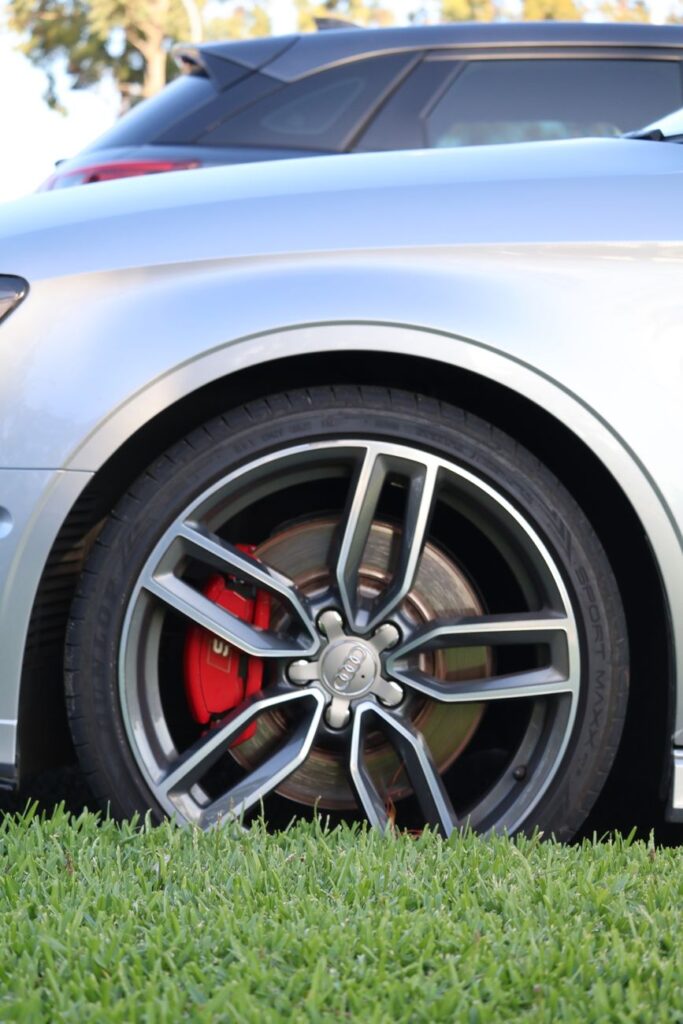
This article explains the most common root causes, how everyday owners can spot the signs early, how the diagnosis is typically done (including with ODIS), and what repairs usually cost in Europe.
🔧 Recommended Professional Tool
Cooling System Diagnostic ToolsProfessional coolant tester and infrared thermometer for accurate overheating diagnosis.
✔ Recommended by automotive technicians ✔ Suitable for BMW, Mercedes, VAG & JLR platforms ✔ Fast international shipping
2. Causes
Sticking slider pins or dried-out grease
Most rear floating calipers rely on slider pins to move freely. Over time, heat, water and road salt can wash out grease or turn it into a sticky paste, preventing smooth movement.
EPB actuator issues (motor or gear mechanism)
On many VAG applications, the rear caliper includes an electric parking brake motor and gearbox. If the motor is weak, the gear set binds, or the system loses correct “home” position, the caliper may not fully retract after parking.
Corrosion on the piston or inside the caliper bore
If the dust boot tears or moisture gets in, the piston surface can corrode. That corrosion creates friction and can cause the piston to hang up, especially after a hot drive.
Collapsed or internally restricted brake hose
A brake hose can fail internally and act like a one-way valve: pressure reaches the caliper, but doesn’t return cleanly when you release the pedal. This can mimic a seized caliper and often gets misdiagnosed.
Old or contaminated brake fluid
Brake fluid absorbs moisture. Higher water content increases internal corrosion risk and can degrade seals. On EPB-equipped rear calipers, seal condition is critical to proper retraction.
Pad hardware binding (pads stuck in carrier)
Pads should slide easily in the carrier. Rust on the pad ears or corrosion buildup on the carrier rails can wedge pads in place, causing constant contact with the disc.
Incorrect previous service work
Common examples include:
- Wrong grease used (petroleum-based grease can swell rubber boots)
- Pads fitted without cleaning the carrier contact points
- EPB service mode not used, forcing the piston back incorrectly
3. Symptoms
A rear caliper that’s sticking doesn’t always scream for attention immediately. Typical signs include:
- Car feels slightly “held back,” especially at low speeds
- Noticeably reduced fuel economy
- One rear wheel produces more brake dust than the other
- Burning smell after a drive or after parking
- Rear wheel or hub noticeably hotter than the opposite side
- Vibration or pulsing under braking (warped disc from heat)
- Car pulls slightly during braking (less common on rear, but possible)
- EPB warning message or parking brake behaving inconsistently
4. How to diagnose
Basic checks you can do safely
- Compare wheel temperatures: After a normal drive (no hard braking), carefully feel near each rear wheel. A sticking side often radiates much more heat. An infrared thermometer is safer and more accurate.
- Listen and roll test: On a flat surface, the car should roll freely. If it stops quickly, something may be dragging (though tyre and alignment factors also affect this).
Workshop-level diagnosis (what a good shop will do)
A proper diagnosis avoids replacing parts blindly:
-
Scan for EPB and ABS faults
- Using ODIS (VAG diagnostics), a workshop checks for EPB-related fault codes, actuator current draw issues, and basic settings/adaptation status. ABS/ESC faults can also affect brake behavior indirectly.
-
Put EPB into service mode
- EPB service mode retracts the motor and allows correct pad/disc inspection. Forcing anything without service mode can damage the mechanism.
-
Check caliper mechanical movement
- With the wheel off, the technician checks:
- Pad movement in carrier
- Slider pin travel and condition
- Boot condition and water ingress signs
- Piston retraction smoothness
- With the wheel off, the technician checks:
-
Rule out a restricted brake hose
- A common method: apply the brake, confirm drag, then slightly open the caliper bleed screw. If the wheel frees immediately, trapped pressure suggests hose restriction or hydraulic issues upstream.
-
Disc and pad condition assessment
- Blue spotting, cracks, tapered pad wear, and glazed surfaces indicate overheating from dragging.
5. How to fix
Clean and lubricate slider pins and pad contact points
If the caliper is fundamentally healthy, the fix may be a proper service:
- Remove, clean and inspect slider pins
- Replace damaged pin boots
- Clean carrier rails to bare metal where pads contact
- Use correct high-temperature brake grease in the right places (and none on friction surfaces)
Replace pads and discs if overheated
Once a disc is heat-spotted or warped from constant drag, resurfacing is rarely worthwhile on modern cars. Replacing pads without addressing the root cause often leads to quick repeat problems.
Repair or replace the caliper (piston seizure/corrosion)
If the piston binds or the bore is corroded, replacement is often the most reliable solution. Rebuild kits exist, but results vary depending on corrosion severity and housing condition.
EPB motor/actuator replacement or calibration
Some setups allow replacing the EPB motor separately; others require the whole caliper assembly. After installation:
- Run EPB basic settings/adaptation with ODIS
- Confirm correct clamp force and release behavior
- Clear faults and road test
Replace the brake hose (when restriction is confirmed)
If the hose is internally collapsed, replacing it is straightforward and often cheaper than replacing a caliper that isn’t actually faulty. Brake fluid must be bled afterward.
Brake fluid flush
If fluid is old (common on cars that missed service intervals), flushing helps protect seals and reduce corrosion risk. On EPB systems, proper bleeding procedure matters—many workshops follow guided functions in ODIS.
6. Repair costs
Prices vary by country, labor rate, and parts brand (OE vs OEM vs aftermarket). Typical European ranges (parts + labor):
- Rear brake service (pads + discs, both sides): €300–€700
- Clean/lube slider pins + carrier service (one axle): €120–€250
- Single rear caliper replacement (incl. bleed/adaptation): €350–€800
- If EPB caliper assembly is required, cost rises.
- EPB motor only (if separate): €180–€450
- Rear brake hose replacement (one side, incl. bleed): €120–€250
- Brake fluid flush: €80–€160
If the caliper has been sticking long enough to cook pads and discs, expect the bill to include both a caliper and a full rear brake job.
7. Prevention tips
- Use EPB correctly: Avoid repeatedly engaging EPB when brakes are extremely hot after spirited driving; let the car cool briefly if practical.
- Brake fluid on schedule: Change fluid every 2 years (typical VAG interval). It’s cheap insurance against internal corrosion.
- Clean brakes in winter climates: If you drive on salted roads, an annual brake inspection and cleaning helps prevent seized pad hardware and slider pin issues.
- Don’t ignore uneven brake dust: One rear wheel getting filthy faster is an early clue.
- Choose quality parts: Cheap pads can swell, crumble, or bind in carriers, and low-quality calipers may have poor sealing.
- Ensure EPB service mode is used: Any rear brake work on EPB systems should involve ODIS-guided service mode and adaptation checks.
8. When to see a mechanic
Book a professional inspection promptly if:
- One rear wheel is consistently hotter than the other
- You smell burning after normal driving
- The car feels sluggish and fuel economy drops suddenly
- You get an EPB warning, ABS/ESC fault, or parking brake behaves oddly
- The car pulls or vibrates under braking
Dragging brakes can overheat wheel bearings, damage tyres, warp discs, and in extreme cases increase fire risk. A good independent VAG specialist with ODIS access is ideal for EPB-related faults and correct basic settings.
9. Frequently Asked Questions
Is it safe to drive with a sticking rear brake caliper?
It’s risky and should be treated as urgent. Light dragging can quickly overheat the disc and pads, and prolonged heat can damage the wheel bearing and tyre. If you notice burning smells or excessive heat, avoid driving and get it checked.
Can the electronic parking brake cause the caliper to stick?
Yes. If the EPB motor or gearing doesn’t return to the correct position, the caliper may not fully release. Proper diagnosis usually involves scanning and running basic settings with ODIS after repairs.
Why does the problem often come back after new pads are fitted?
If the carrier rails weren’t cleaned, the pad hardware is corroded, or the slider pins weren’t serviced, new pads can bind just like the old ones. Also, if the EPB wasn’t put into service mode, the piston mechanism can be stressed or mispositioned. A complete brake service is more than just swapping pads.
How can I tell if it’s the brake hose rather than the caliper?
A restricted hose can trap hydraulic pressure and keep the brake applied. Workshops often confirm this by checking whether opening the bleed screw releases the wheel immediately. If it does, the issue may be hydraulic rather than mechanical seizure.
Should I replace both rear calipers at the same time?
Not always, but it depends on age, mileage, and corrosion level. If one caliper failed due to corrosion and the other is in similar condition, replacing both can prevent a second failure soon after. At minimum, both sides should be inspected and serviced so braking remains balanced.