1. Introduction
Upgrading the front brake discs on a Skoda Octavia Mk3 RS 2.0 TSI is one of the most popular “feel it every day” modifications for enthusiastic road driving—especially if you do fast motorway work, live in hilly areas, or do the occasional trackday. The Mk3 Octavia RS uses VW Group MQB hardware and, depending on model year and market, you’ll typically be dealing with the EA888 2.0 TSI (commonly seen as CJXB/CJXC/CHHA variants) paired with a 6-speed manual or a 6-speed DSG (DQ250) or 7-speed DSG (DQ381 on some later cars). The good news is that there are several proven front disc upgrade routes that keep reliability, parts availability, and day-to-day refinement intact.
Recommended Tool: Professional OBD2 Scanner
Recommended Tool: Premium Brake Pads
Recommended Tool: Cooling System Diagnostic Tools
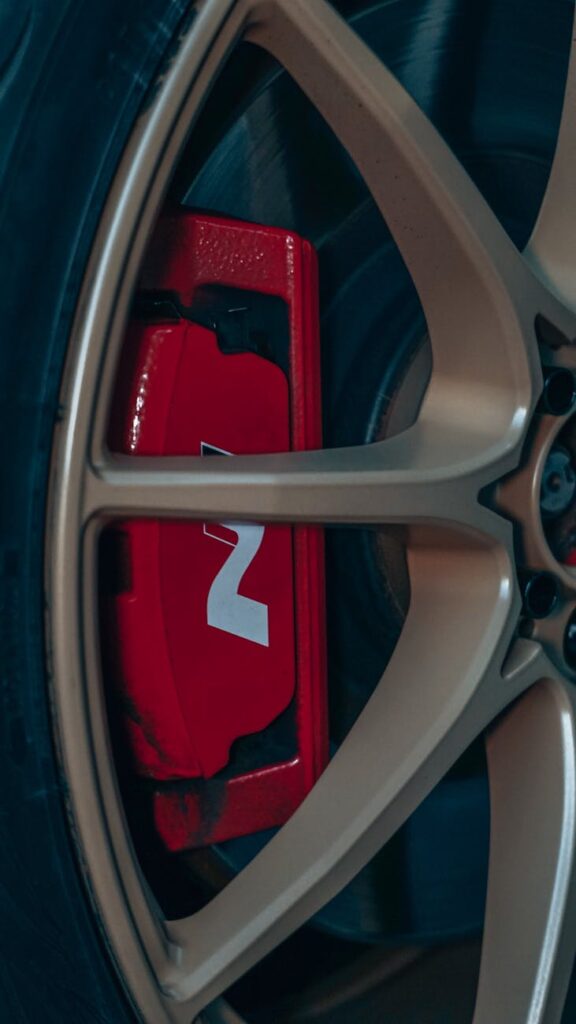
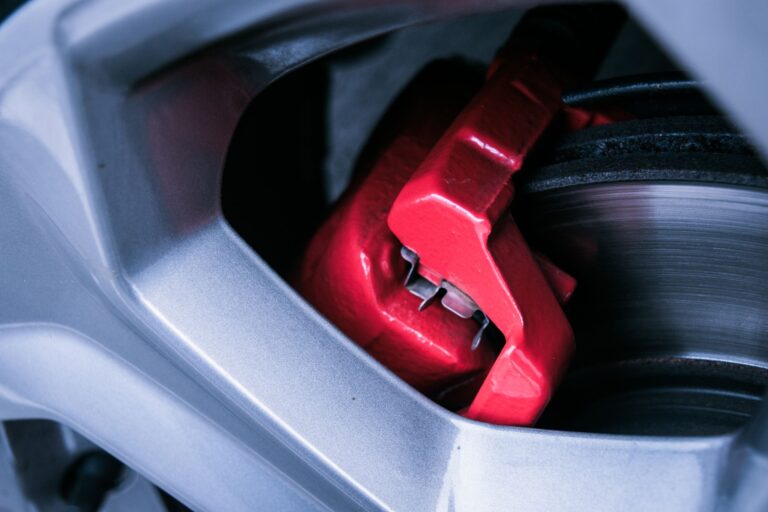
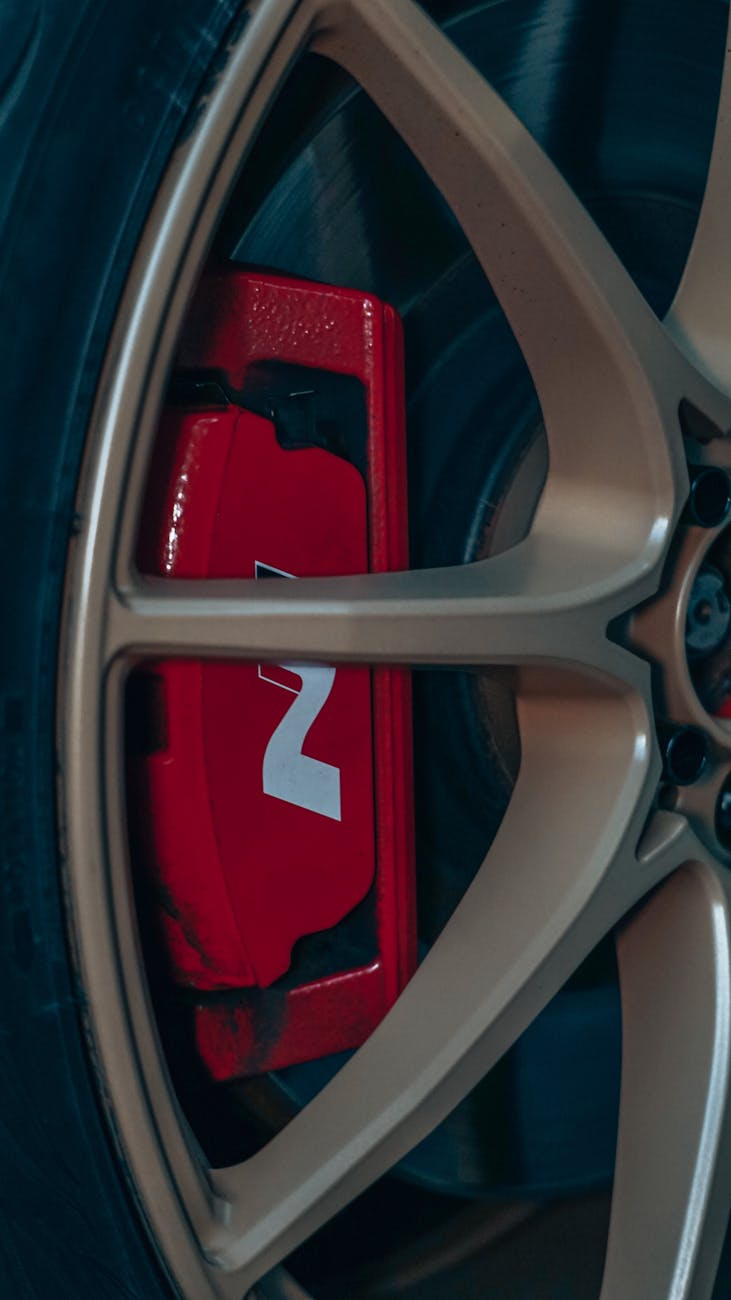
This article focuses on realistic front brake disc options for performance, what each option changes, how to choose based on your driving, and how to avoid common pitfalls like pad mismatch, noise, vibration, and clearance issues.
🔧 Recommended Professional Tool
EA888 Engine Diagnostic ToolsEssential tools for EA888 engine diagnostics
✔ Recommended by automotive technicians ✔ Suitable for BMW, Mercedes, VAG & JLR platforms ✔ Fast international shipping
2. Causes
“Needing” a front brake disc upgrade usually comes from one or more real-world factors rather than a single fault:
- Heat load exceeds the stock system’s comfort zone: repeated high-speed stops, mountain descents, or track sessions build heat fast.
- Pad compound mismatch: aggressive pads on standard discs can accelerate disc wear and increase judder risk.
- Driving style and vehicle load: frequent heavy braking with passengers, luggage, or towing stresses the front axle.
- Wheel size and airflow: smaller wheels and closed-face designs reduce brake cooling.
- Age-related issues: rust lips, uneven pad deposits, or previous poor-quality parts can make “upgrade” feel like a cure.
For context, many MQB-platform cars (VW Golf GTI/R, Audi A3/S3, Seat Leon Cupra) share compatible components, so “upgrade” often means fitting OEM+ hardware from a higher-performance model rather than purely aftermarket parts.
3. Symptoms
A brake disc upgrade is often triggered by symptoms that appear under harder use:
- Brake fade: pedal stays firm but the car slows less effectively after repeated stops.
- Longer stopping distances when hot: especially after motorway exits or downhill sections.
- Steering wheel vibration under braking: commonly called “warped discs,” but often caused by uneven pad material transfer.
- Cracking, blue spots, or heavy scoring on discs: visible signs of excessive heat or pad issues.
- Smell and smoke after spirited driving: indicates pads/discs are overheating.
- Pedal pulsation: can be disc thickness variation, hub corrosion, or a poor bedding-in process.
If you’re coming from BMW, Mercedes, Audi, or JLR ownership, think of it like moving from a standard setup to an M Sport / AMG / S-line / R-Dynamic equivalent: you’re raising heat capacity and stability, not just chasing a number.
4. How to diagnose
Before choosing an upgrade, confirm whether you have a genuine performance limitation or a repair issue.
Visual and basic checks
- Measure disc thickness and compare to minimum specification (usually stamped on the disc hat). If near minimum, replacement is due anyway.
- Check for pad taper (one side thinner than the other), which can indicate caliper slider issues.
- Inspect for hub rust where the disc sits—this can cause runout and vibration even with new discs.
- Look for fluid condition: dark fluid suggests moisture contamination and lowers boiling point.
Road test clues
- Fade only when hot points to heat capacity and pad compound.
- Vibration even when cold suggests runout, hub corrosion, or uneven deposits.
Diagnostic tools (when relevant)
Using ODIS (VW Group’s diagnostic platform), you can:
- Check for ABS/ESC fault codes that may indicate wheel speed sensor issues affecting braking feel.
- Perform basic settings if components were replaced and the system requires calibration (more common on cars with advanced driver assistance).
- Confirm whether your car has features like XDS (electronic diff braking), which can add heat to the front brakes during spirited cornering.
A shop with proper runout measuring tools and the discipline to clean hubs properly often fixes “warped disc” complaints without needing an expensive upgrade.
5. How to fix
There are three sensible upgrade paths for the Octavia Mk3 RS, ranging from OEM+ to more track-focused solutions. The best choice depends on how you drive and how much refinement you want.
Option A: High-quality OEM-size discs + better pads (best daily upgrade)
If your discs are standard size for your RS variant, sticking with the same diameter but using premium discs and matched pads can transform confidence without adding noise.
What to choose:
- High-carbon or coated discs from reputable brands
- Pads designed for fast road use (higher temperature tolerance)
- Fresh DOT 4 or DOT 4 LV brake fluid (or higher boiling point fluid if you drive hard)
Why it works: pad compound and fluid often limit performance before disc size does.
Option B: OEM “bigger brake” swap using VW Group parts (best OEM+ performance)
Many owners upgrade to a larger OEM setup used on related MQB performance models. Depending on your current brakes, this may involve:
- Larger diameter discs (and often different caliper carriers)
- Potentially different calipers, depending on the target setup
- Sometimes a matching dust shield change
Pros:
- OEM refinement and reliability
- Easy parts availability in Europe
- Often clears common 18" wheels (wheel design matters)
Cons:
- Must verify wheel clearance carefully
- Requires correct carriers/calipers and often new hardware
Option C: Two-piece discs or performance-oriented discs (best for repeated hard use)
Two-piece discs (aluminium hat + iron ring) reduce unsprung weight and manage heat better. Slotted discs can help pad bite consistency, but can increase noise and pad wear.
Pros:
- Better heat management, reduced tendency for judder under heavy use
- Potential weight saving improves steering response
Cons:
- Higher cost
- Some setups are noisier and may dust more
Don’t forget the supporting items
A “disc upgrade” without these can disappoint:
- Brake fluid: old fluid boils sooner; upgrade fluid if you drive hard.
- Brake hoses: quality braided lines can improve pedal feel, but won’t fix fade alone.
- Bedding-in: proper bedding reduces uneven deposits and improves consistency.
- Tyres: the best brakes still rely on tyre grip; worn or budget tyres limit stopping performance.
6. Repair costs
Costs vary by country, labour rate, and whether you’re doing an OEM-size refresh or a bigger conversion. Below are realistic European ranges for parts + labour on the front axle.
-
OEM-size premium discs + fast road pads + fluid
- Parts: €220–€450 (discs + pads) + €15–€40 (fluid)
- Labour: €120–€250
- Total: €355–€740
-
OEM bigger brake swap (discs + carriers + pads; sometimes calipers)
- Parts: €450–€1,100 (depends on how complete the kit is and whether calipers are included)
- Labour: €180–€400
- Total: €630–€1,500
-
Two-piece discs + matched pads + fluid
- Parts: €700–€1,400 (front discs) + €120–€250 (pads) + €15–€40 (fluid)
- Labour: €150–€300
- Total: €985–€1,990
Extra items that can add cost:
- New caliper slide hardware/boots: €20–€80
- ABS sensor replacement if damaged: €60–€180 each fitted
- Wheel bearing/hub issues causing runout: €250–€600 per side fitted
7. Prevention tips
To keep your upgraded brakes feeling strong for longer:
- Clean hubs properly during installation; even a thin rust layer can cause disc runout.
- Use a torque wrench for wheel bolts and follow the correct pattern; uneven torque can contribute to vibration.
- Bed pads and discs correctly: a controlled series of stops helps transfer an even layer of pad material.
- Change brake fluid every 2 years (or sooner if you drive hard in the mountains).
- Avoid sitting stationary with hot brakes clamped after a hard stop; it can imprint pad material.
- Choose wheels that allow airflow if you regularly push the car.
8. When to see a mechanic
See a qualified workshop if:
- You have persistent steering vibration after new discs and pads—runout measurement and hub inspection are needed.
- The car pulls to one side under braking, suggesting a sticking caliper or hose issue.
- You see cracks on the disc face or edges.
- The brake pedal becomes spongy or sinks (possible fluid/air issue).
- You’re planning an OEM bigger brake conversion and want confirmation on wheel clearance, carrier compatibility, and ABS/ESC behaviour—a shop familiar with VW Group cars and ODIS is ideal.
A good mechanic will also check rear brakes and tyre condition, because front upgrades can expose weaknesses elsewhere.
9. Frequently Asked Questions
Frequently Asked Questions
Q1: Will a larger front brake disc automatically shorten stopping distances on the road?
Not always. Larger discs mainly improve heat capacity and consistency, so they help most when the brakes are getting hot repeatedly. For one emergency stop from normal speeds, tyres and pad grip often matter more than disc size.
Q2: Do I need to change the front calipers when upgrading discs on an Octavia Mk3 RS 2.0 TSI?
Sometimes you can keep calipers and only change carriers and discs, depending on the target OEM setup. Other conversions require different calipers to match the disc diameter and pad shape. Compatibility should be checked by part numbers and wheel clearance, not guesswork.
Q3: Are drilled or slotted discs better for everyday driving?
For daily use, high-quality plain or lightly slotted discs are usually the quietest and most durable. Drilled discs can look sporty but may be more prone to cracking under repeated heat cycles if quality is poor. The pad compound choice often makes a bigger difference than the slot/drill pattern.
Q4: Why do my “new” upgraded brakes still judder after a few weeks?
Judder is commonly caused by uneven pad deposits, hub corrosion creating runout, or incorrect bedding-in. It can also happen if the pad compound doesn’t suit your driving pattern (lots of gentle braking can glaze some pads). A workshop can measure runout and confirm whether it’s a disc issue or a surface transfer issue.
Q5: Will upgrading front discs affect ABS/ESC on my car?
If you use compatible OEM-type components and keep the overall system balanced, ABS/ESC usually works normally. Problems are more likely if the conversion is mismatched, poorly installed, or if there are underlying sensor issues. A scan with ODIS can confirm the system is fault-free after the work.