1. Introduction
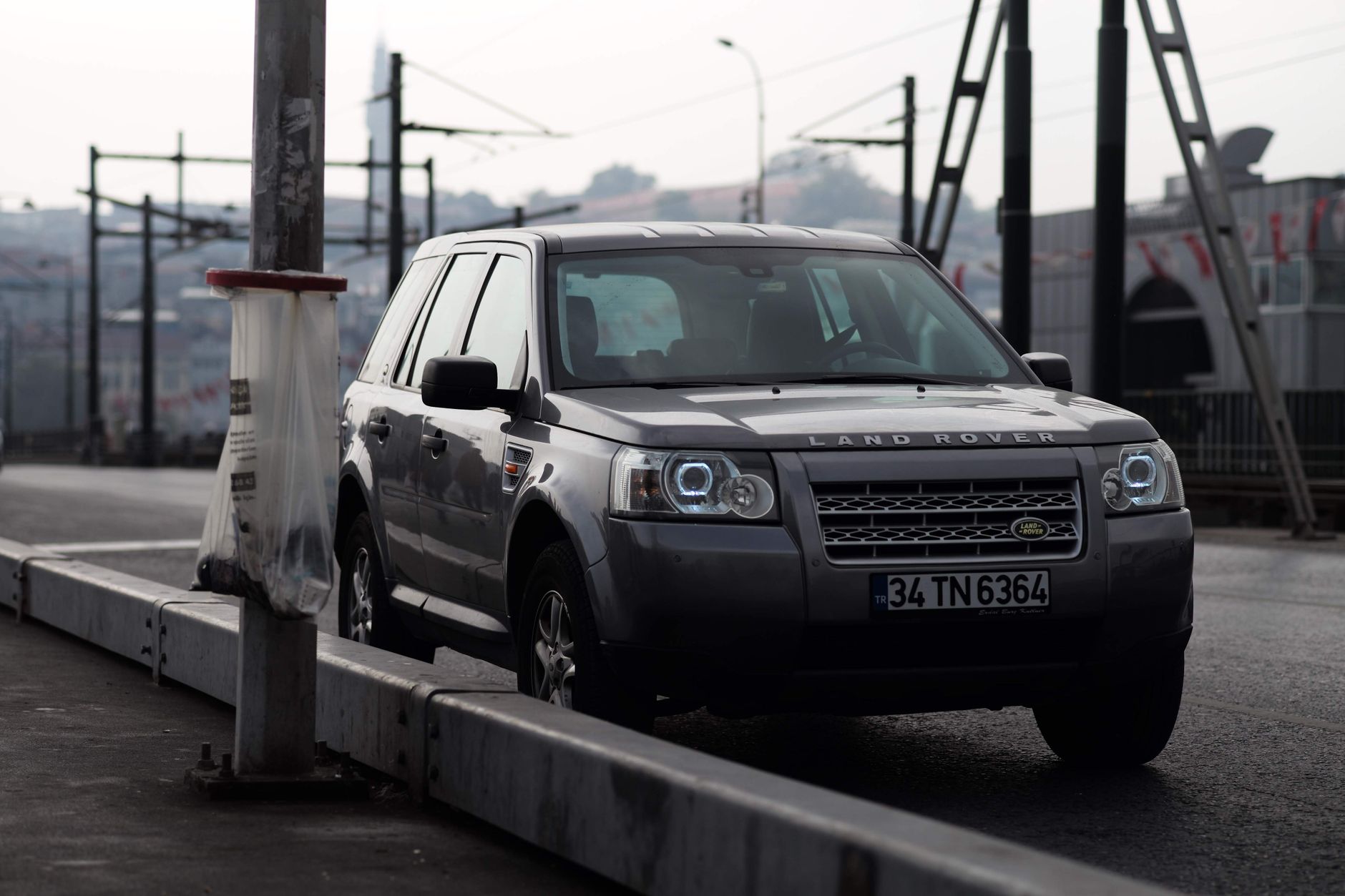
The Land Rover Freelander 2 (LR2) is popular with European drivers who want a compact SUV that feels secure in bad weather and comfortable on long trips. Under the skin it shares some DNA with Volvo-era components, but it’s still very much a JLR product: heavy for its size, often used on rough roads, and sensitive to worn suspension parts. That combination means suspension faults are among the most common day-to-day issues owners face, especially as mileage climbs past 120,000–180,000 km.
Recommended Tool: Professional OBD2 Scanner
Recommended Tool: Premium Brake Pads
Recommended Tool: OEM Suspension Components
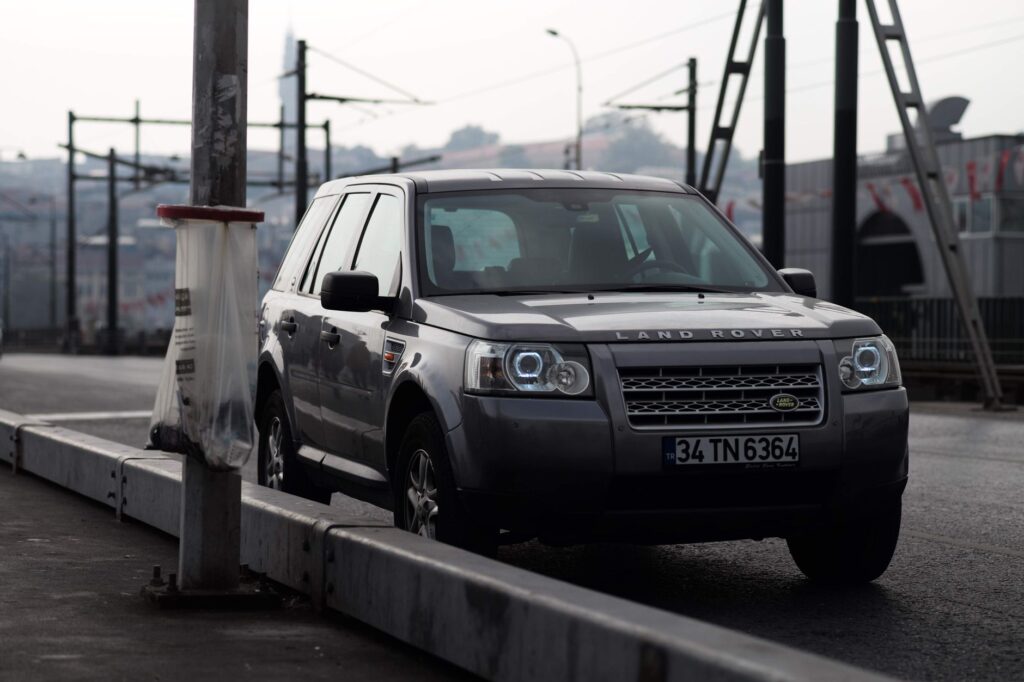
This article focuses on the most frequent Freelander 2 suspension failures, what causes them, how they feel from the driver’s seat, and how to approach diagnosis and repair. Even if you also own BMW, Mercedes, Audi, or VW Group cars, the logic is similar—rubber bushes age, ball joints wear, dampers leak—yet the Freelander’s weight and geometry can accelerate the process.
🔧 Recommended Professional Tool
Brake System UpgradePremium brake pads and diagnostic tools for vibration and braking issues.
✔ Recommended by automotive technicians ✔ Suitable for BMW, Mercedes, VAG & JLR platforms ✔ Fast international shipping
2. Causes
Suspension problems on the Freelander 2 typically come from a mix of wear, environment, and past repairs. The most common root causes include:
- Vehicle weight and load use: The Freelander 2 is heavy, and towing or frequent boot loads increase stress on bushes, dampers, and rear arms.
- Poor road surfaces: Potholes and broken tarmac quickly damage ball joints, drop links, and wheel bearings.
- Rubber ageing: Suspension bushes harden and crack with time, especially in climates with big temperature swings.
- Corrosion: Salted winter roads can seize eccentric alignment bolts and accelerate wear on brackets and fasteners.
- Incorrect wheel alignment or tyres: Bad alignment or mismatched tyres can amplify tramlining, vibration, and bush wear.
- Budget parts or incomplete repairs: Replacing a single drop link while leaving worn top mounts or bushes often leads to repeat noises.
3. Symptoms
Suspension faults tend to announce themselves clearly, but the symptoms can overlap. Watch for:
Noises
- Clunking over small bumps (often drop links, anti-roll bar bushes, or ball joints)
- Knocking when turning at low speed (top mounts, strut bearings, or control arm bushes)
- Creaking/squeaking (dry bushes, worn rear trailing arm bushes)
Handling changes
- Wandering or vague steering at motorway speeds (front lower control arm rear bushes)
- Tramlining (alignment issues, worn arms, or uneven tyre wear)
- Body roll increasing (tired dampers or anti-roll bar bush wear)
Tyre and braking clues
- Inner/outer tyre shoulder wear (alignment, worn arms, bent components)
- Vibration under braking that isn’t brake-related (loose/worn suspension joints)
Visual signs
- Oil misting or leaks on dampers
- Sagging rear ride height (tired springs, heavy use, or worn rear components)
4. How to diagnose
A good diagnosis combines a road test, a physical inspection, and—when needed—model-specific scan tool checks. Although suspension is mostly mechanical, JLR tools can help rule out related systems like ABS/traction control that sometimes mask a handling complaint.
Step-by-step checks you can do (or ask a workshop to do)
-
Road test on mixed surfaces
- Drive slowly over broken tarmac and speed bumps with windows slightly open.
- Note if noise is front/rear, left/right, and whether it happens on compression, rebound, or steering input.
-
Tyre inspection
- Check for uneven wear patterns and old/hardened tyres.
- Confirm correct pressures; underinflation can mimic suspension looseness.
-
Basic lift inspection
- With the car safely lifted, a technician should check:
- Front lower control arm bushes (cracks, separation)
- Ball joints (play)
- Drop links and anti-roll bar bushes (movement, torn boots)
- Strut top mounts and bearings (roughness, knocking)
- Rear upper/lower arms and trailing arm bushes (cracks, excessive compliance)
- Wheel bearings (play or rumble)
- With the car safely lifted, a technician should check:
-
Alignment and seized adjusters
- Freelander 2 rear alignment can be difficult if bolts are seized. A proper alignment attempt is part of diagnosis because a shop will quickly learn whether adjusters move.
-
Diagnostic tool support (when relevant)
- Pathfinder or SDD can check for stored faults in ABS/DSC that might relate to wheel speed sensor issues or stability interventions that feel like suspension instability.
- If you’re cross-shopping habits from German brands: this is the JLR equivalent of using ISTA, Xentry, or ODIS to confirm no chassis-control faults are influencing the complaint.
5. How to fix
Repairs should be planned as “systems,” not one noisy part at a time. The Freelander 2 responds best when worn components are renewed in matched pairs and followed by alignment.
Common front-end fixes
-
Drop links and anti-roll bar bushes
- Often the cheapest cure for clunks.
- Replace both sides; use quality parts to avoid repeat noise.
-
Front lower control arms (wishbones)
- Many owners replace complete arms because pressing bushes can be labour-heavy.
- After replacement, a full alignment is essential.
-
Strut top mounts and bearings
- If you hear knocking on turning or feel spring “binding,” replace mounts/bearings.
- Consider replacing bump stops and dust boots at the same time.
-
Front dampers and springs
- Leaking dampers or bouncy ride: replace in pairs.
- If one spring is broken, replace both front springs to keep ride height even.
Common rear-end fixes
-
Rear trailing arm bushes and rear arms
- These can cause rear steer feeling, tyre wear, and clunks.
- Some arms are easier to replace as assemblies rather than pressing bushes.
-
Rear dampers and springs
- Sagging or poor control with load often points here.
- Replace as a set (left/right).
Don’t skip alignment and fastener strategy
- Four-wheel alignment after any arm or subframe-related work is non-negotiable.
- If adjuster bolts are seized, plan for:
- Extra labour time
- Possible replacement bolts/eccentrics
- In worst cases, cutting out seized hardware
6. Repair costs
Prices vary by country and labour rate, but these ranges are realistic for many European independent specialists (parts + labour):
- Front drop links + ARB bushes (pair): €180–€350
- Front lower control arms (both sides) + alignment: €600–€1,100
- Strut top mounts/bearings (pair): €300–€650 (often combined with damper work)
- Front dampers and springs (pair) + mounts + alignment: €900–€1,700
- Rear trailing arm bushes or arm assemblies (pair) + alignment: €700–€1,500
- Rear dampers and springs (pair): €500–€1,000
- Wheel bearing (one corner): €350–€650
If seized alignment hardware is involved, add €150–€500 depending on how much cutting and replacement is required.
7. Prevention tips
You can’t stop wear, but you can slow it down and catch issues early:
- Check tyre wear every month and rotate tyres if your setup allows.
- Keep pressures correct, especially before long motorway trips or towing.
- Do alignment proactively after pothole hits or when tyres are replaced.
- Rinse winter salt from the underbody when possible to reduce corrosion.
- Avoid cheap no-name suspension parts; labour is the expensive part if you have to redo it.
- Listen for early noises and fix small issues (drop links/bushes) before they stress other components.
8. When to see a mechanic
Book a professional inspection promptly if you notice any of the following:
- Steering feels unstable or the car pulls suddenly during braking
- You hear metallic knocks that are getting worse
- Tyres are wearing rapidly on one edge
- The car feels like it steers from the rear at speed
- You suspect a wheel bearing (constant hum that changes with speed)
A good workshop will road test, check for play properly under load, and confirm whether faults are purely mechanical or linked to stability/ABS behaviour (using Pathfinder/SDD where needed).
9. Frequently Asked Questions
Frequently Asked Questions
What are the most common Freelander 2 suspension parts to fail first?
Front drop links, anti-roll bar bushes, and front lower control arm bushes are frequent early wear items, especially on rough roads. As mileage increases, top mounts and dampers become more likely, followed by rear arm bushes that affect stability and tyre wear.
Can worn suspension cause warning lights on the Freelander 2?
Worn suspension itself usually won’t trigger a warning light, but the knock-on effects can. Excessive play or a failing wheel bearing can disturb wheel speed sensor readings and may log ABS/DSC faults that Pathfinder or SDD can identify.
Is it worth replacing bushes, or should I replace complete arms?
Complete arms often make sense because labour is predictable and you get new ball joints and bushes together. Bush-only replacement can be economical if a shop has the right press tools and the rest of the arm is in excellent condition.
Do I need a wheel alignment after replacing drop links or bushes?
After drop links alone, alignment isn’t always mandatory, but it’s still a good idea if the car already feels off. After control arms, rear arms, subframe movement, or any work affecting geometry, a four-wheel alignment is essential.
Why does my Freelander 2 clunk only when turning or parking?
That pattern commonly points to strut top mounts or strut bearings, which can bind as the spring rotates. It can also be a worn ball joint or control arm bush shifting under steering load, so a proper inspection is important.