1. Introduction
Modern European cars rely on sophisticated brake systems that are no longer “just pads and discs.” On popular models like the BMW 3/5 Series, Mercedes C/E-Class, Audi A4/A6, VW Golf/Passat (VW Group), and Jaguar XE/XF (JLR), braking is tightly integrated with stability control, electronic parking brakes, and driver-assistance features. This means a small fault—like a weak wheel speed sensor signal—can affect ABS, traction control, and even adaptive cruise functions.
Recommended Tool: Professional OBD2 Scanner
Recommended Tool: Premium Brake Pads
Recommended Tool: OEM Suspension Components
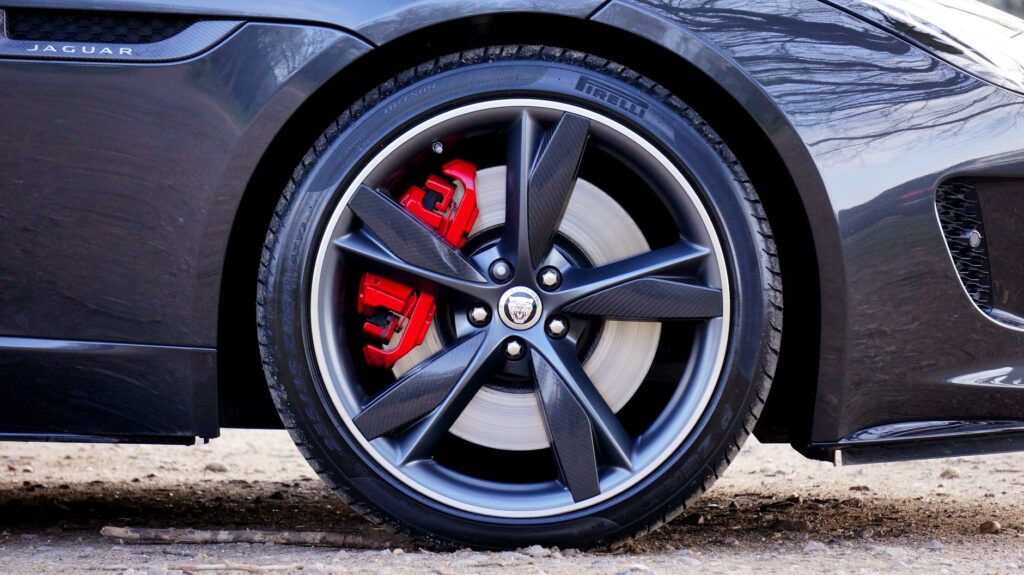
This overview focuses on what everyday owners should understand: what commonly goes wrong, what you’ll feel behind the wheel, how a workshop diagnoses it (often using tools like ISTA, Xentry, ODIS, Pathfinder or SDD), and what repairs typically cost in Europe. Even if you never turn a spanner, knowing the basics helps you avoid unnecessary parts replacement and spot safety issues early.
🔧 Recommended Professional Tool
Mercedes OM651 Diesel ToolsAdvanced diesel diagnostic tools for OM651
✔ Recommended by automotive technicians ✔ Suitable for BMW, Mercedes, VAG & JLR platforms ✔ Fast international shipping
2. Causes
Brake issues usually come from a mix of wear, heat, corrosion, and electronics. Common causes include:
- Normal wear items
- Brake pads and discs worn beyond limits
- Brake fluid aged/contaminated (absorbs moisture over time)
- Corrosion and sticking
- Caliper slider pins seized (common on cars that do short trips)
- Rear calipers sticking on cars with electronic parking brakes (EPB)
- Electronic faults
- Wheel speed sensor failure or damaged wiring
- ABS/DSC/ESP control unit issues (less common, but expensive)
- Hydraulic problems
- Master cylinder wear or internal leakage
- Brake hose swelling internally (creates one-way restriction)
- Parking brake problems
- EPB actuator faults (VW Group, JLR, some Mercedes/BMW)
- Cable stretch or mechanism corrosion on older setups
- Aftermarket/installation issues
- Incorrect pad type (noise, poor bite, sensor errors)
- Incorrect disc fitment or lack of hub cleaning (disc runout → vibration)
- Wrong brake fluid spec (especially on high-performance systems)
On some models, additional integration increases complexity. For example, BMWs with DSC and brake pad wear sensors can trigger warnings early, and VAG cars with EPB often require service mode via ODIS (or compatible tools) for rear pad replacement.
3. Symptoms
Brake system faults don’t always feel like “no brakes.” Watch for:
- Vibration under braking
- Often disc thickness variation or hub corrosion causing runout
- Pulling to one side
- Sticking caliper, uneven pad deposits, or a restricted hose
- Squealing/grinding
- Worn pads, cheap friction material, or backing plate contact
- Long pedal travel or soft pedal
- Brake fluid moisture, air in the system, or master cylinder issues
- Hard pedal with poor braking
- Vacuum/booster issues (more noticeable on diesel engines like Mercedes OM651)
- Warning lights/messages
- ABS/ESP/DSC light, “Brake system” warnings, EPB malfunction
- Burning smell or hot wheel
- Sticking caliper or parking brake not releasing fully
- Adaptive cruise / lane systems disabled
- Can happen when ABS wheel speed sensor data is unreliable
If you notice a sudden change (especially a sinking pedal, strong pulling, or multiple warning lights), treat it as urgent.
4. How to diagnose
A good diagnosis combines a road test, a visual inspection, and electronic checks. Here’s what a competent independent workshop typically does:
Visual and mechanical checks
- Measure pad thickness and look for uneven wear (inner vs outer pad)
- Inspect disc condition: lip, cracks, blue heat spots
- Check for caliper slider movement and torn dust boots
- Look for leaks at calipers, hoses, and the master cylinder
- Check wheel bearings for play (can mimic disc vibration)
Brake fluid testing
- Test fluid boiling point or moisture content
- Verify correct fluid specification (DOT4, DOT4 LV, etc. depending on model)
Electronic diagnosis (brand-specific tools)
- BMW (ISTA): read DSC faults, wheel speed sensor values, brake pad sensor status
- Mercedes (Xentry): ABS/ESP live data, brake booster/vacuum plausibility, EPB tests
- Audi/VW/Skoda/SEAT (ODIS): ABS module faults, EPB basic settings/service mode, coding checks
- Jaguar/Land Rover (Pathfinder/SDD): ABS module diagnostics, EPB calibration, fault-guided tests
A key point: a fault code is a starting point, not a parts list. For example, a “wheel speed sensor implausible” code may be caused by a damaged reluctor ring, corrosion buildup, or wiring chafing—not the sensor itself.
5. How to fix
Repairs depend on the root cause. Common fixes include:
Pads and discs
- Replace pads and discs as an axle set when worn or damaged
- Clean hubs thoroughly and torque wheels correctly to prevent runout
- On cars with pad wear sensors (common on BMW and some Mercedes), replace the sensor when triggered
Caliper service or replacement
- Lubricate/replace slider pins and boots where appropriate
- Rebuild or replace sticking calipers (especially if the piston seal is compromised)
- For EPB rear calipers, follow correct service mode procedure (ODIS/ISTA/Xentry/Pathfinder) to avoid actuator damage
Brake fluid flush
- Flush with the correct spec fluid and bleed properly
- Some vehicles require diagnostic routines to cycle the ABS pump for full air removal
Sensor and ABS-related repairs
- Replace wheel speed sensors and repair wiring as needed
- Clean corrosion around sensor mounting points (common cause of incorrect air gaps)
- If the ABS module fails (rare), replacement may require coding/programming using ISTA, Xentry, ODIS, or Pathfinder/SDD
Booster/vacuum system (if applicable)
- Diagnose vacuum supply, check valves, and booster operation—especially on diesels like OM651
- Address vacuum pump issues if brake assist is weak
6. Repair costs
Prices vary by country, brand, and parts quality (OEM vs premium aftermarket). Typical Europe-wide ranges (parts + labor):
- Front pads + discs (mainstream BMW/Mercedes/Audi/VW): €300–€650
- Rear pads + discs: €250–€600
- Premium/JLR or larger brakes (XE/XF higher trims): €450–€900 per axle
- Brake fluid flush: €80–€160
- Caliper service (clean/lube sliders): €60–€150 per axle (often added onto brake job)
- Replace one caliper: €250–€600 (rear EPB calipers often at the higher end)
- Wheel speed sensor replacement: €120–€250 per wheel
- ABS control unit replacement + coding: €900–€2,000+ (depends heavily on model)
- EPB actuator/module issues: €300–€1,200 depending on design and whether calibration is needed
If your car has a ZF 8HP automatic or a DSG gearbox, it doesn’t directly change brake costs, but it can influence symptoms (for example, creeping behavior can mask a dragging brake) and workshop test procedures.
7. Prevention tips
You can reduce brake problems significantly with simple habits:
- Change brake fluid every 2 years (or per manufacturer schedule)
- Avoid resting your foot on the brake pedal while driving
- After wheel changes, ensure correct wheel bolt torque and clean mating surfaces
- If you drive short trips, do occasional longer drives to dry out brakes and reduce corrosion
- Rinse winter salt off wheels and calipers when possible
- Use quality pads/discs (cheap friction material often causes noise and uneven deposits)
- Don’t ignore minor warnings—early diagnosis can prevent ABS/EPB cascades
8. When to see a mechanic
Book a professional inspection immediately if you experience:
- Brake pedal sinking, very long travel, or sudden loss of braking power
- Strong pulling, grinding noises, or a wheel getting noticeably hot
- ABS/ESP/DSC and brake warnings appearing together
- EPB malfunction that prevents safe parking or releases unpredictably
- Any braking change after recent work (possible air in system or incorrect assembly)
A workshop with the right diagnostic platform (ISTA, Xentry, ODIS, Pathfinder/SDD) can often pinpoint faults faster and avoid “trial-and-error” parts swapping.
9. Frequently Asked Questions
Frequently Asked Questions
Why do I get ABS/ESP warnings when the car still brakes normally?
ABS and stability functions can fail while base hydraulic braking still works. A wheel speed sensor or wiring issue is a common trigger, and the car may disable traction and stability features for safety. It should be scanned soon because braking distances and control on slippery roads can be affected.
Can warped brake discs be caused by hard braking?
True disc warping is less common than uneven pad deposits and disc thickness variation. Repeated heavy braking followed by holding the pedal at a stop can create hot spots and uneven transfer layers. Proper bedding-in and good-quality parts reduce the risk.
Do electronic parking brakes require special tools for pad replacement?
Often yes, especially on VW Group and many JLR applications. The rear calipers may need to be put into service mode and later calibrated using ODIS, Pathfinder/SDD, or equivalent diagnostic equipment. Forcing them back mechanically can damage the actuator or create faults.
Why does my steering wheel shake only when braking from motorway speeds?
That pattern usually points to front brake disc thickness variation or runout, sometimes made worse by corrosion on the hub face. A workshop should measure disc runout and check hub cleanliness before fitting new parts. Worn suspension bushes can also amplify the vibration.
Is it safe to drive with a brake pad wear warning?
You typically have limited pad material left, but the remaining distance varies by driving style and conditions. Treat it as a prompt to book service soon, especially before a long trip. If you hear grinding or feel reduced braking, stop driving and have it inspected immediately.