1. Introduction
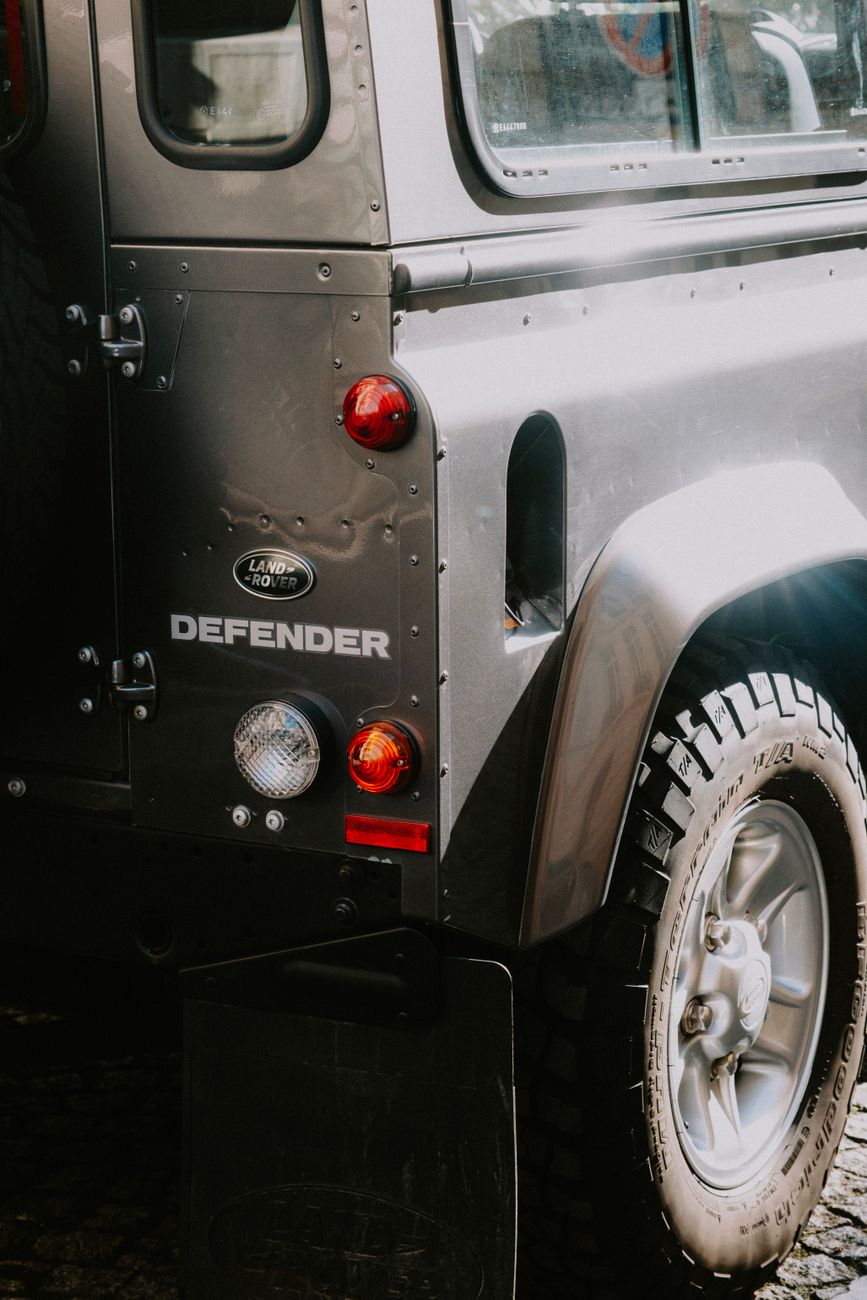
Land Rover and Range Rover models with air suspension are hard to beat for comfort, towing stability, and the ability to raise the car for rough roads. Systems like Electronic Air Suspension (EAS) on the Discovery 3/4, Range Rover Sport (L320), Range Rover (L322/L405), and newer Defenders use air springs, a compressor, height sensors, and valve blocks to keep the vehicle level and adjustable at the press of a button.
Recommended Tool: Professional OBD2 Scanner
Recommended Tool: Portable Jump Starter
Recommended Tool: Cooling System Diagnostic Tools
But for everyday European owners—especially those who also run complex cars from BMW, Mercedes, Audi, VW Group and JLR—the downside is familiar: when air suspension fails, it often fails suddenly, can immobilise the car, and can be expensive if you replace parts “by guesswork.” This guide explains why Land Rover air suspension fails, what alternatives exist, how to diagnose it sensibly (including with SDD or Pathfinder), and what repair costs typically look like in Europe.
🔧 Recommended Professional Tool
DSG Transmission Service KitProfessional tools for DSG gearbox service
✔ Recommended by automotive technicians ✔ Suitable for BMW, Mercedes, VAG & JLR platforms ✔ Fast international shipping
2. Causes
Air suspension failures usually come down to air leaks, tired compressors, or control/measurement issues. Common root causes include:
- Air spring (airbag) leaks
- Rubber cracks with age, road salt, and heat cycles.
- Leaks often start small and become obvious in cold weather.
- Compressor wear or overheating
- The compressor runs longer to compensate for leaks and eventually burns out.
- Desiccant in the dryer saturates, letting moisture into the system.
- Valve block issues
- Internal seals leak, causing pressure bleed between corners or back to the reservoir.
- Contamination and moisture can make valves stick.
- Height sensor and linkage problems
- Sensors wear, link arms corrode or pop off after off-road use or kerb impacts.
- Air line leaks or damaged fittings
- Chafed lines, cracked push-fit connectors, poor previous repairs.
- Electrical supply and relay faults
- Weak battery, corroded grounds, failing relay can mimic compressor failure.
- Software/calibration problems
- Incorrect ride height calibration after suspension work can trigger faults and odd behaviour.
3. Symptoms
Air suspension problems tend to show up in predictable ways. Watch for:
- Vehicle sitting low on one corner after parking overnight
- Suspension dropping to bump stops (“suspension inactive” warnings)
- Compressor running frequently or for a long time after start-up
- Slow to raise to off-road height, or refuses to change height
- Uneven stance: front higher than rear, or one side higher than the other
- Dashboard messages like:
- “Suspension fault”
- “Normal height only”
- “Vehicle raising slowly”
- Harsh ride, knocking noises, or the car feeling “floaty” at speed
If you also own German cars, think of it like a DSG mechatronic or ZF 8HP adaptation issue: the warning is the end result, but the cause may be mechanical (leak) or control-related (sensor/calibration).
4. How to diagnose
A good diagnosis saves money, because replacing a compressor won’t fix an air spring leak for long. Start with the basics, then use proper diagnostics.
Visual and practical checks (no tools required)
- Park on level ground, measure wheel arch heights, and re-check after 8–12 hours.
- Listen near each wheel for faint hissing.
- Inspect air springs for cracks, dry rot, or oily dirt tracks (often where air escapes).
- Check height sensor link arms for damage or disconnection.
Simple leak testing
- Use a spray bottle with soapy water on:
- Air spring folds and seams
- Air line connectors
- Valve block area
- Bubbles indicate a leak. Small leaks may only show under load at certain heights.
Scan tool diagnosis (recommended)
For JLR, use SDD (older models) or Pathfinder (newer models). A capable aftermarket scanner can help, but factory-level tools give better guidance and live data.
Look for:
- Stored and pending fault codes for compressor performance, reservoir pressure, or height sensor plausibility.
- Live data:
- Individual corner heights
- Reservoir pressure (if equipped)
- Compressor temperature/duty cycle
- Run actuator tests (valve block activation, compressor command).
If you’re coming from BMW/Mercedes/VAG ownership, the principle is similar to using ISTA, Xentry, or ODIS: read faults, confirm with live data, then test actuators before you buy parts.
Isolating the fault
- One corner drops: likely that air spring, its line, or that valve circuit.
- Whole car drops: valve block leak, reservoir bleed, or multiple air springs.
- Compressor noisy/overruns: usually leaks first, compressor second.
- Erratic height changes: height sensor or calibration, sometimes wiring.
5. How to fix
Repairs depend on what failed and the condition of the rest of the system.
Replace leaking air springs (common and often the “real” fix)
- If one bag is leaking and the other side is similar age, many owners replace in pairs (front pair or rear pair) for balance and reliability.
- After replacement, perform ride height calibration with SDD/Pathfinder.
Compressor repair or replacement
- If the compressor is weak, overheated, or fails pressure build tests:
- Replace compressor assembly, or rebuild with a dryer/desiccant service kit where available.
- Make sure you fix leaks first, or the new compressor will be overworked again.
Valve block service
- Valve blocks can be replaced outright or resealed depending on model and parts availability.
- If the system has moisture contamination, a valve block replacement combined with compressor dryer service is often a sensible pairing.
Height sensor replacement and calibration
- Replace worn sensors or broken link arms.
- Calibrate ride height afterward; incorrect calibration can cause uneven stance and premature air spring wear.
Alternative solutions (when you’re done with air)
Some owners choose to delete air suspension and convert to coil springs. Alternatives include:
- Coil spring conversion kits
- Typically include springs, shocks/struts, and electronics to prevent warning lights.
- Pros: simpler, fewer failure points, often cheaper long-term.
- Cons: reduced comfort, no height adjustment, potential insurance/approval considerations.
- Upgraded air components
- Heavy-duty air springs, improved compressors, or improved valve blocks can increase durability.
- Best for towing/off-road users who want to keep the factory functionality.
Before converting, consider how you use the car. If you tow caravans, drive in winter mountain conditions, or value the adjustable height, staying with air (but repairing properly) often makes sense.
6. Repair costs
European pricing varies by model and labour rate, but realistic ranges (parts + labour) are:
- Single air spring (one corner): €450–€900
(Part €250–€600, labour 1.5–3.0 hours, plus calibration on some models) - Front or rear pair of air springs: €900–€1,700
- Compressor replacement: €700–€1,500
(Part €350–€900, labour 1.5–3.0 hours, diagnostics recommended) - Compressor dryer/desiccant service: €150–€350
(Often worthwhile if compressor is still healthy) - Valve block replacement: €500–€1,100
- Height sensor replacement (each): €200–€450
(Plus calibration if required) - Coil spring conversion kit fitted: €900–€2,000
(Depends heavily on kit quality and whether shocks/struts are included)
A full “refresh” on an older Range Rover (two air springs plus compressor) can realistically land in the €1,600–€3,000 range if you use quality parts and do calibration correctly.
7. Prevention tips
You can’t stop rubber ageing, but you can reduce the chance of a roadside failure:
- Fix small leaks early to protect the compressor.
- Keep battery health strong; low voltage causes false faults and relay issues.
- Rinse winter salt from wheel arches and suspension components.
- Avoid lifting points that strain sensor link arms and check linkages after off-road trips.
- If your model allows it, don’t leave it parked at extreme heights for long periods.
- Have the system checked with SDD/Pathfinder during routine servicing, especially before long trips.
8. When to see a mechanic
Book a specialist if:
- The car drops to bump stops or shows “suspension inactive.”
- The compressor runs constantly or gets very loud/hot.
- You see multiple fault codes or can’t complete calibration.
- You suspect wiring issues, relay faults, or control module problems.
Choose a workshop familiar with JLR diagnostics and procedures. A garage that can properly use SDD/Pathfinder and understands air systems will often save you money compared to swapping parts until the warning disappears.
9. Frequently Asked Questions
Frequently Asked Questions
Why does my Land Rover sink overnight on one side?
A single-corner drop usually points to a leaking air spring or a leak in that corner’s air line or valve circuit. Temperature changes can make small leaks much worse, so it may only happen in colder weather. A soapy-water test and live data from SDD/Pathfinder can confirm it.
If I replace the compressor, will that fix the problem permanently?
Not if the root cause is an air leak. A new compressor will temporarily mask the issue by working harder, then it may fail early due to overheating. It’s best to diagnose leaks first and replace the compressor only if it fails pressure/duty-cycle tests.
Are coil spring conversion kits a good idea for daily driving?
They can be a practical option if you want simplicity and don’t need height adjustment. Expect a firmer, less “Range Rover-like” ride and loss of self-levelling for towing. Check local insurance and roadworthiness rules before converting.
Can I drive with an air suspension fault message?
Sometimes you can, but it depends on whether the system is still maintaining safe ride height. If the vehicle is low on the bump stops, handling and braking can be affected and tyre damage is possible. Treat repeated warnings or a sagging stance as urgent.
How do I know whether it’s a height sensor or an air leak?
Leaks tend to cause slow sinking and frequent compressor running, while sensor faults often create erratic height readings or sudden implausibility codes. Live data and fault codes in SDD/Pathfinder help separate “measured height is wrong” from “pressure is bleeding off.” A visual check of sensor link arms also catches many simple issues.