1. Introduction
If you drive a VW Tiguan that regularly racks up motorway kilometres, towing miles, or stop-start urban commuting, your brake discs (rotors) will work hard. High mileage doesn’t automatically destroy discs, but it does expose weak rotor designs, low-quality friction materials, and poor bedding-in practices faster than on a low-use car. Choosing the right brake disc option is about more than “OEM vs aftermarket”: it’s matching disc type, coating, and pad pairing to how your Tiguan is actually used, while keeping braking smooth, quiet, and predictable.
Recommended Tool: Professional OBD2 Scanner
Recommended Tool: Premium Brake Pads
Recommended Tool: Cooling System Diagnostic Tools
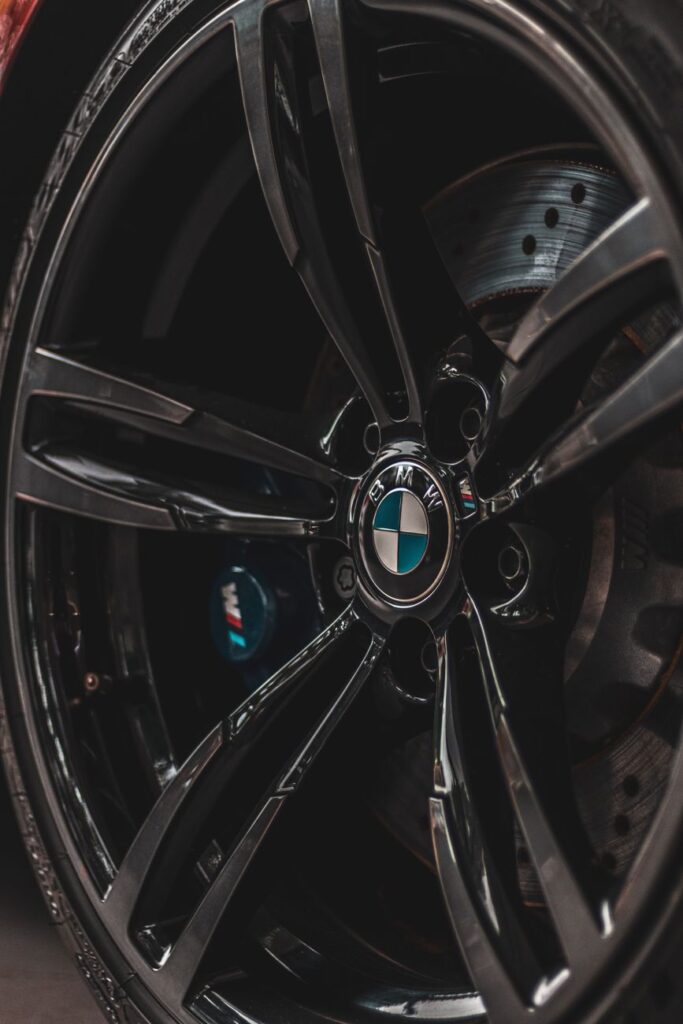
This guide is written for everyday European car owners (including those also running BMW, Mercedes, Audi, and JLR vehicles) and focuses on practical disc choices for high-mileage use—what lasts, what stays stable, and what makes sense financially. While the examples use a Tiguan, the same principles apply to many VW Group platforms with DSG gearboxes and similar brake systems.
🔧 Recommended Professional Tool
DSG Transmission Service KitProfessional tools for DSG gearbox service
✔ Recommended by automotive technicians ✔ Suitable for BMW, Mercedes, VAG & JLR platforms ✔ Fast international shipping
2. Causes
Brake discs are wear items, but premature disc issues on high-mileage Tiguans are usually caused by a combination of usage and parts choice:
- Thermal cycling and heat spots: Repeated heavy braking (mountain roads, towing, fully loaded motorway exits) can create uneven heating. This may lead to disc thickness variation (DTV), which many drivers call “warped discs.”
- Corrosion from inactivity: Even high-mileage cars can sit for days; salted winter roads can rust disc surfaces quickly, especially on uncoated rotors.
- Wrong pad compound for the job: Hard, cheap pads can be noisy and aggressive on discs; overly soft pads can leave deposits and trigger judder.
- Poor bedding-in: New discs and pads need a controlled break-in to transfer an even friction layer. Skipping this can create vibration and uneven braking feel.
- Sticking caliper sliders or seized piston: A lightly dragging brake overheats discs and accelerates wear. This is common on vehicles that see winter road salt.
- Wheel torque errors: Over-tightened or unevenly tightened wheel bolts can distort the disc-to-hub interface and contribute to runout and vibration.
3. Symptoms
High-mileage disc problems tend to show up in predictable ways:
- Steering wheel vibration under braking, especially from higher speeds
- Pedal pulsation (rhythmic push-back) when slowing down
- Grinding or scraping noises, often indicating worn pads or severe disc lip/rust
- Increased stopping distance or inconsistent bite
- Brake squeal that persists after pads have plenty of life left
- Blue or dark heat marks visible through the wheel spokes
- Uneven pad wear left vs right, suggesting a caliper issue
If your Tiguan has electronic parking brake (EPB) on the rear, you may also notice EPB faults or reduced function when rear braking hardware is binding.
4. How to diagnose
You can do a lot before buying parts—especially if your goal is long-term durability.
Visual and basic checks (driveway level)
- Look for deep grooves, cracking, heavy rust ridges, or obvious heat spotting.
- Check for a large outer lip on the disc edge; a small lip is normal, a large one suggests significant wear.
- Compare left/right disc faces; a noticeably different colour can indicate dragging.
Measure rather than guess
A workshop can measure:
- Disc thickness vs minimum spec (stamped on many discs or listed in VW data)
- Disc runout with a dial indicator at the hub
- Pad thickness and taper (taper often points to slider issues)
Use diagnostics where relevant
On VW Group cars, ODIS can help confirm:
- Brake-related fault codes (ABS/ESC, EPB module, wheel speed sensor plausibility)
- Basic settings or service mode for rear EPB during pad/disc replacement
- Brake pressure sensor or ABS faults that can mimic braking issues
If you also own other marques: BMW ISTA, Mercedes Xentry, JLR SDD/Pathfinder, and Audi/VW ODIS all help validate that braking complaints aren’t being amplified by ABS/ESC interventions, sensor issues, or EPB malfunctions.
5. How to fix
Choose the right brake disc option (high-mileage priorities)
For most high-mileage Tiguans on public roads, durability, corrosion resistance, and stable braking matter more than track-style performance.
Option A: Quality OEM-style coated discs (best all-round)
- What it is: Standard vented discs (front) and solid/vented (rear depending on variant) with an anti-corrosion coating on hats/edges, often with improved metallurgy.
- Why it works: Coating reduces rust buildup that causes noise and uneven pad contact; OEM-style mass handles heat well for daily driving.
- Ideal for: Motorway commuters, mixed driving, winter climates.
Option B: Premium high-carbon discs (better heat stability)
- What it is: “High-carbon” cast iron discs designed to manage heat cycling more evenly.
- Why it works: Often reduces brake judder and improves consistency during repeated stops.
- Ideal for: Heavy vehicles, towing, hilly areas, enthusiastic driving—without going full “performance.”
Option C: Slotted/drilled discs (rarely the best for high mileage)
- What it is: Discs with slots or drilled holes.
- Reality check: They can increase noise, pad wear, and crack risk over long service lives—especially drilled designs—without real benefit for normal road use.
- Ideal for: Very specific use cases, and only if you accept faster wear and more maintenance.
Pair discs with sensible pads
- Choose a known, road-focused pad compound that’s kind to discs and low in dust/noise.
- Avoid ultra-cheap pads; they can deposit uneven material and create vibration that feels like disc warping.
- If you do high motorway miles, consider pads designed for low noise and stable friction at moderate temps, not “racing” pads that need heat.
Fix the underlying hardware
Before fitting new discs:
- Clean hub faces thoroughly to prevent runout.
- Lubricate and free off slider pins; replace boots if torn.
- Inspect caliper piston movement; replace or rebuild calipers that bind.
- Use correct wheel bolt torque and tightening pattern.
Don’t skip bedding-in
A proper bedding-in routine (gentle heat cycles, no long pedal holds after heavy stops) can dramatically reduce future judder and improve disc life.
6. Repair costs
Costs vary by country and engine/brake package, but realistic European ranges for a VW Tiguan are:
- Front discs + pads (quality coated OEM-style):
Parts €180–€350, labour €120–€250 → Total €300–€600 - Front premium high-carbon discs + pads:
Parts €260–€450, labour €120–€250 → Total €380–€700 - Rear discs + pads (with EPB service mode):
Parts €160–€320, labour €140–€300 → Total €320–€620 - Brake fluid change (recommended every 2 years):
Parts €15–€30, labour €60–€120 → Total €75–€150 - Caliper slider service / minor hardware correction (per axle):
€40–€120 labour add-on if caught early - Caliper replacement (if seized; per corner):
Parts €120–€350, labour €80–€180 → Total €200–€530
If you’re also budgeting for other high-mileage maintenance on VW Group cars, keep in mind DSG servicing (where applicable) is separate; braking vibration is not a DSG issue, even if it’s felt through the chassis.
7. Prevention tips
- Use coated discs if you drive in wet/salty conditions—corrosion is a major life-shortener.
- Stick to matched brands/quality tiers for discs and pads to reduce deposit problems.
- Avoid resting on the brake after heavy stops (e.g., after motorway braking to a standstill). This can imprint pad material and create DTV.
- Rinse winter salt off wheels and brakes when possible.
- Torque wheel bolts correctly after tyre changes; avoid impact-gun-only tightening.
- Change brake fluid on schedule to protect ABS components and maintain pedal feel.
- Address dragging brakes early (heat smell, one wheel dusty, poor fuel economy).
8. When to see a mechanic
Book a professional inspection if:
- Vibration under braking is strong or getting worse (runout/DTV needs measuring).
- The car pulls left/right when braking (possible caliper or hose issue).
- You hear grinding, or the brake warning light comes on.
- The EPB behaves oddly or throws a fault—rear service mode may require ODIS.
- One wheel is consistently hotter than the others after a normal drive.
A good workshop will measure disc runout at the hub, check caliper movement, and confirm the correct disc/pad setup for your Tiguan’s brake code—not just replace parts blindly.
9. Frequently Asked Questions
Frequently Asked Questions
Are “warped” brake discs common on high-mileage VW Tiguans?
True disc warping is less common than people think; most vibration comes from disc thickness variation or uneven pad deposits. High-mileage use can trigger it faster if the brakes overheat or the bedding-in was poor. Measuring runout and disc thickness is the only reliable way to confirm.
Should I choose high-carbon discs for motorway mileage?
High-carbon discs can be a good choice if you frequently brake from high speeds, tow, or drive hilly routes. They often resist judder better because they handle repeated heat cycles more evenly. For gentle motorway cruising with light braking, coated OEM-style discs are usually enough.
Are drilled or slotted discs worth it for daily driving?
For most daily-driven Tiguans, they’re not the best value. They can increase pad wear and noise, and drilled discs in particular can be more prone to cracking over long service intervals. A quality plain coated or high-carbon disc is typically the better high-mileage option.
Do I need to replace pads when I replace discs?
Yes, it’s strongly recommended to replace pads with discs. Old pads can carry uneven transfer layers that quickly ruin the smooth surface of new discs and bring the vibration back. New pads also bed in correctly to the new disc face.
Can diagnostics like ODIS tell me if my discs are bad?
ODIS won’t directly measure disc wear, but it can identify related faults such as EPB issues, ABS/ESC sensor errors, or hydraulic problems that affect braking feel. Mechanical inspection and measurement still determine disc condition. Diagnostics are most useful for confirming there isn’t an electronic brake-related fault complicating the symptoms.