1. Introduction
Choosing brake pads sounds simple until you own a European AWD car like an Audi Quattro. Between heavy curb weights, high grip drivetrains, and stability systems that constantly “trim” wheel speed, brake pad material makes a noticeable difference in stopping feel, noise, dust, and running costs. Many Audi owners also cross-shop pads marketed for BMW xDrive, Mercedes 4MATIC, VW 4Motion, or JLR (Land Rover/Range Rover) systems, but Quattro has its own real-world demands—especially on newer models with electronic brake distribution, ESC, and sometimes brake-based torque vectoring.
Recommended Tool: Professional OBD2 Scanner
Recommended Tool: Premium Brake Pads
Recommended Tool: OEM Suspension Components
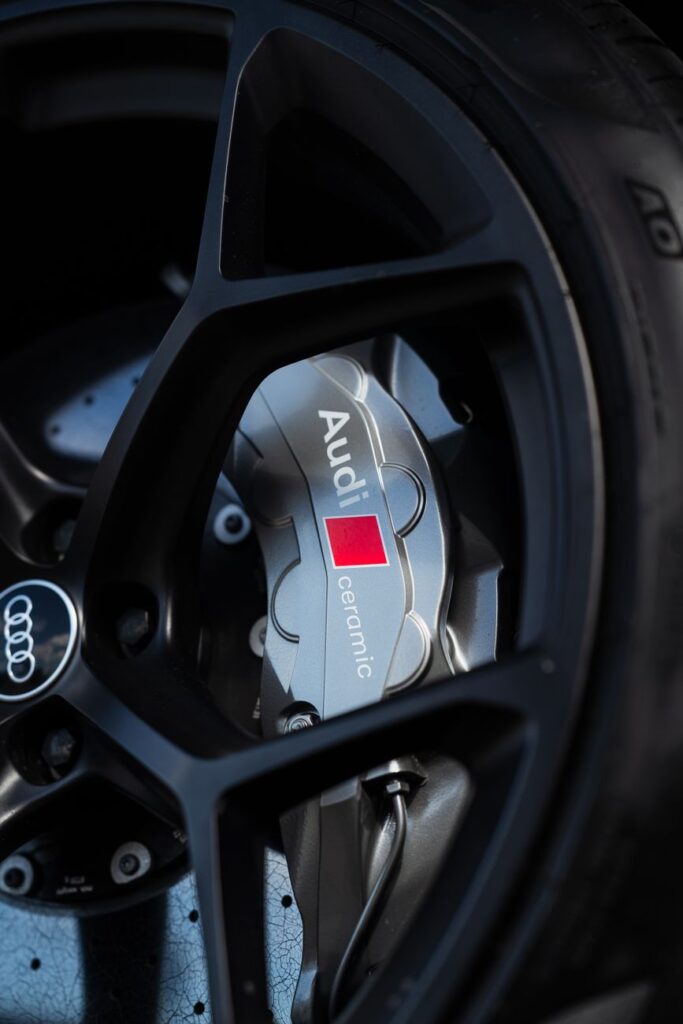
This guide explains the best brake pad material choices for everyday Quattro use, what actually changes between ceramic, semi-metallic, and low-metallic (NAO) pads, and how to diagnose braking issues that are often blamed on “bad pads” but turn out to be something else. It’s written for normal drivers, not mechanics, but it references the tools a good workshop will use (ODIS for VW/Audi, ISTA for BMW, Xentry for Mercedes, and Pathfinder/SDD for JLR) so you know what “proper diagnosis” looks like.
🔧 Recommended Professional Tool
EA888 Engine Diagnostic ToolsEssential tools for EA888 engine diagnostics
✔ Recommended by automotive technicians ✔ Suitable for BMW, Mercedes, VAG & JLR platforms ✔ Fast international shipping
2. Causes
Brake pad “best” depends on what problem you’re trying to avoid. On Quattro cars, pad choice is most often driven by these factors:
- Vehicle weight and load: A6/A7, Q5/Q7, and S/RS models are heavy, and AWD hardware adds mass. Heavier cars ask more of the pad, especially at low speeds where friction feel matters.
- Brake-based torque vectoring and ESC intervention: Quattro cars may apply a brake to manage traction. That can increase pad wear and heat even when you’re not “braking hard.”
- Rotor material and size: Larger rotors can tolerate more heat, while smaller setups (common on lower trims) benefit from pads with stable friction at higher temperatures.
- Driving style: Urban stop-start, mountain descents, towing, or repeated high-speed braking all change what pad compound works best.
- Noise and dust tolerance: Some owners prioritize clean wheels; others accept dust for stronger bite.
3. Symptoms
Pad material choice shows up in day-to-day behavior. Common signs your current pads aren’t ideal include:
- Excessive brake dust on front wheels (common with more aggressive semi-metallic pads)
- Squealing at low speed, especially light pedal pressure
- Judder or vibration under braking (not always pads—can be rotor thickness variation or stuck caliper slides)
- Soft or inconsistent bite when cold, then better once warm
- Fade on long descents (pedal feels the same but stopping power drops)
- Uneven wear left-to-right or inner-to-outer pad differences (often hardware-related)
If your Audi has an electronic parking brake (EPB), warning messages or service mode issues can also be mistaken for pad problems.
4. How to diagnose
Before choosing a different pad compound, confirm the brakes are healthy. A good diagnosis avoids spending money on pads when the real issue is rotors, calipers, or coding.
Visual and measurement checks
- Pad thickness: Compare inner and outer pads on each axle. Large differences can indicate seized slide pins or caliper issues.
- Rotor condition: Look for heat spots (blueing), cracking, or heavy lip edges. Measure rotor thickness and compare to minimum spec.
- Brake fluid condition: Old fluid can boil sooner and mimic “pad fade.”
Road test observations
- Cold bite vs warm bite: Ceramics can feel slightly less sharp when cold on some setups.
- High-speed stability: Any steering shake under braking often points to rotor issues, not pad material.
Scan tool and system checks (important on modern Audi)
A workshop using ODIS can:
- Check for ABS/ESC faults that cause abnormal brake intervention.
- Verify brake pad wear sensor plausibility (if fitted).
- Place the EPB into service mode for safe pad replacement and correct motor adaptation.
For owners cross-shopping or sharing symptoms across brands: BMW shops will use ISTA, Mercedes shops Xentry, and JLR shops Pathfinder/SDD for similar ABS/ESC and EPB checks.
5. How to fix
Which brake pad material is best for everyday Audi Quattro use?
H3: Ceramic pads (best for most daily drivers)
Best for: commuters, family use, motorway driving, clean wheels, low noise.
Ceramic pads typically produce less visible dust, run quietly, and are gentle on rotors. On most modern Audi Quattro daily drivers (A4/A5/A6/Q5 with common engines like 2.0 TFSI EA888 or 3.0 TDI), ceramics offer the best balance if you’re not doing repeated heavy braking.
Trade-offs: Sometimes slightly less initial bite when cold, depending on brand and rotor type.
H3: Low-metallic NAO pads (best “OE-like” feel)
Best for: drivers who want factory-like bite with controlled dust.
Many OE-style European pads fall into low-metallic NAO blends. They often deliver a confident initial bite and good modulation, which suits Quattro cars that feel planted and encourage brisk driving.
Trade-offs: More dust than ceramic, and can be noisier if bedding-in is skipped.
H3: Semi-metallic pads (best for heat tolerance and aggressive driving)
Best for: heavy SUVs (Q7), towing, mountain roads, enthusiastic driving, or bigger engines like 3.0 TFSI where speeds build quickly.
Semi-metallic pads handle heat well and can feel stronger under repeated braking.
Trade-offs: More dust, more rotor wear, and a higher chance of low-speed noise.
Bedding-in matters as much as material
Regardless of compound, proper bedding-in reduces noise and uneven deposits:
- Perform several medium stops from 60–20 km/h, allowing cool-down between.
- Avoid holding the car stopped with hot brakes (can imprint pad material on the rotor).
Hardware and fluid fixes that often beat “changing pad type”
- Clean and lubricate caliper slide pins with correct high-temp brake grease.
- Replace worn anti-rattle clips and shims.
- Flush brake fluid (DOT 4/5.1 as specified) if older than 2 years—especially important on heavier Quattro SUVs.
6. Repair costs
Realistic European-market ranges vary by model, brakes size, and whether you replace rotors too. Typical parts + labor:
- Front pads only (Audi A4/A5/Q5): €180–€380
- Front pads + rotors: €420–€850
- Rear pads only (with EPB service mode): €200–€420
- Rear pads + rotors: €450–€900
- Brake fluid flush: €80–€160
Performance models (S/RS) or large SUVs (Q7/Q8) can be higher:
- Front pads + rotors (S/RS or large SUV): €900–€1,800+
If your car has a DSG (S tronic) or a ZF 8HP (common across Audi/BMW/JLR), that doesn’t change pad pricing directly, but AWD cars often go through brakes faster due to traction systems using brakes to manage slip.
7. Prevention tips
- Use quality pads matched to your rotor type (OE-equivalent brands are usually safest for daily use).
- Don’t mix pad compounds front-to-rear unless you know the friction balance is compatible; mismatches can change stability behavior.
- Flush brake fluid every 2 years, sooner if you do mountain driving or towing.
- Wash brake dust off regularly, especially if you run semi-metallic pads; dust can embed and make wheels hard to clean.
- Avoid resting your foot on the brake downhill—use engine braking and lower gears where appropriate.
8. When to see a mechanic
Book a workshop if you notice:
- Steering shake or pulsing under braking (possible rotor thickness variation or suspension bushing issues)
- Brakes dragging, burning smell, or a hot wheel after a short drive (possible seized caliper)
- ABS/ESC warning lights or repeated traction-control intervention
- EPB faults or inability to retract rear calipers safely
A competent independent specialist with ODIS access (or a dealer) can confirm ESC/ABS behavior, run guided functions, and ensure EPB service mode and adaptations are done correctly.
9. Frequently Asked Questions
Frequently Asked Questions
Which brake pad material is best for normal Audi Quattro daily driving?
Ceramic pads are usually the best all-rounder for everyday use because they’re quiet and produce less visible dust. If you want a more “OE bite” feel, a quality low-metallic NAO pad is often closer to factory behavior. The right choice also depends on your rotor type and driving conditions.
Do ceramic pads stop worse than semi-metallic pads on a Quattro?
Not necessarily in normal driving, but ceramics can feel slightly less sharp on the first cold stop. Semi-metallic pads often handle repeated heavy braking better due to higher heat tolerance. For commuting and motorway use, ceramics typically provide excellent braking with fewer downsides.
Why do my Quattro brakes wear faster than expected even though I drive calmly?
AWD stability systems can apply individual brakes to manage traction, and this can add wear you don’t always notice. City driving and short trips also increase brake use and corrosion on rotors. A scan with ODIS can sometimes reveal ABS/ESC activity or stored faults contributing to unusual wear.
Should I replace rotors when changing pad material?
If rotors are within thickness spec and in good condition, you can usually keep them. However, if the rotor surface is heavily grooved, heat-spotted, or already has uneven deposits, new pads may still judder or squeal. Many owners get the best results pairing new pads with fresh rotors, especially when changing compound type.
Can the wrong pad material cause ABS or ESC faults?
Pad material alone rarely triggers faults, but it can change brake torque characteristics and noise/vibration behavior. Faults are more commonly caused by wheel speed sensor issues, low voltage, or EPB/ABS module problems. If warning lights appear, a proper scan (ODIS) is more important than switching pad compounds.