1. Introduction
Brake fluid is one of the most overlooked maintenance items on modern European cars, yet it has a direct impact on stopping power, pedal feel, and the health of expensive components like ABS/DSC hydraulic units. If you drive a BMW, Mercedes, Audi, VW Group car (VW, Audi, SEAT, Škoda), or a JLR vehicle (Jaguar/Land Rover), you likely have high-performance braking systems with complex stability control. These systems rely on clean, dry brake fluid to transmit pressure reliably and to protect internal valves and seals.
Recommended Tool: Professional OBD2 Scanner
Recommended Tool: Premium Brake Pads
Recommended Tool: Transmission Diagnostic Tools
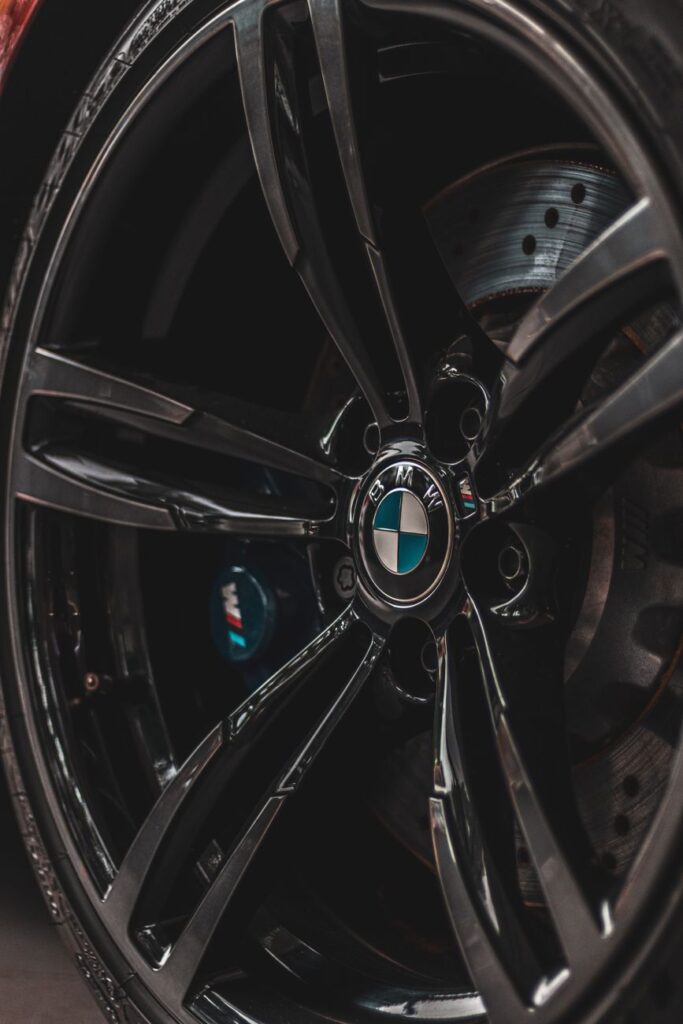
So how often should you change brake fluid on a BMW—and what about the same kind of service on a Mercedes with SBC/ESP, an Audi with quattro ABS, or a VW with a DSG-equipped platform that uses sophisticated braking integration? The short version: most manufacturers recommend a time-based interval, not mileage, because brake fluid absorbs moisture even if you barely drive.
🔧 Recommended Professional Tool
BMW N20 Diagnostic & Timing ToolsProfessional tools for BMW N20 engine service
✔ Recommended by automotive technicians ✔ Suitable for BMW, Mercedes, VAG & JLR platforms ✔ Fast international shipping
2. Causes
Brake fluid “goes bad” primarily because it is hygroscopic—meaning it absorbs water from the air over time. Even in a sealed system, moisture slowly enters through:
- Rubber hoses and seals (microscopic permeability over years)
- Reservoir venting (the cap and diaphragm still allow pressure equalization)
- Heat cycling (brakes get hot, cool down, and pull in moisture-laden air)
- Previous improper servicing (open bottle left standing, contaminated fluid used)
As water content rises, the boiling point drops. That matters on a heavy SUV like a Range Rover or a fast estate car on the motorway: under repeated braking, fluid can boil and create compressible vapor—leading to a soft pedal.
Typical fluid types you’ll see:
- DOT 4 / DOT 4 LV (Low Viscosity): common on BMW, VW Group, and many Mercedes models for modern ABS/DSC systems
- DOT 5.1: sometimes used for higher performance needs (still glycol-based and hygroscopic)
- DOT 5 (silicone-based): uncommon in modern European cars and generally not used with ABS systems
3. Symptoms
Brake fluid deterioration can be gradual, and many drivers don’t notice until conditions are demanding. Watch for:
- Spongy or longer pedal travel, especially after repeated braking
- Brake fade on mountain descents or spirited driving
- ABS/DSC/ESC warnings (less common, but can happen if moisture contributes to internal corrosion or sensor/valve issues)
- Uneven braking feel after heavy use
- Dark or murky fluid visible in the reservoir (fresh DOT 4 is usually clear to light amber)
Important: a low brake fluid level is not “normal.” It often indicates worn pads or a leak. Changing fluid won’t fix a leak.
4. How to diagnose
You don’t need to be a mechanic to make an informed decision, but diagnosis should be approached safely.
Basic checks at home (visual + feel)
- Check the reservoir color: if it’s very dark, it’s a strong hint the fluid is overdue.
- Monitor pedal feel: if the pedal becomes soft after a long downhill or repeated stops, moisture may be lowering boiling point.
- Check service history: many BMWs specify brake fluid every 2 years; if you can’t prove it was done, assume it wasn’t.
Simple testing tools
A workshop can measure fluid condition using:
- Brake fluid moisture tester (conductivity-based; quick but not perfect)
- Boiling point tester (more reliable; measures actual wet boiling point)
Manufacturer-specific service indicators and scan tools
European cars often track service intervals or require special bleeding routines:
- BMW: Condition Based Service may list brake fluid due dates. Some models benefit from an ABS bleed routine via ISTA.
- Mercedes: Modern ESP systems may require specific bleeding sequences; dealer-level workflows are often done via Xentry.
- VW/Audi/Škoda/SEAT: ABS pump cycling and guided functions can be done with ODIS (or capable aftermarket tools).
- JLR: Some models use guided bleed procedures in Pathfinder or older SDD.
This doesn’t mean every car must have scan-tool bleeding, but on many late-model vehicles it’s the safest way to fully refresh fluid, especially if air entered the ABS module.
5. How to fix
Brake fluid replacement is a “flush and bleed” service. For everyday owners, the key is ensuring it’s done correctly with the right fluid specification and procedure.
What a proper brake fluid service includes
- Correct fluid spec (often DOT 4 or DOT 4 LV; using the wrong viscosity can affect ABS response in cold weather)
- Pressure bleeding at the reservoir (common on BMW and VW Group cars)
- Bleeding each caliper in the correct order
- Optional ABS/DSC pump activation using ISTA/Xentry/ODIS/Pathfinder/SDD when required or recommended
- Reservoir cleanup (not always done, but a good shop will avoid pushing old sludge through the system)
Common mistakes to avoid
- Using an opened, old bottle of brake fluid (it absorbs moisture quickly once opened)
- Letting the reservoir run low during bleeding (can introduce air into the ABS unit)
- Mixing incompatible fluid types
- Ignoring seized bleeder screws (forcing them can snap them, turning a service into a caliper repair)
Notes for popular platforms
- BMW (e.g., N20, B48, B58 cars; ZF 8HP automatics): The brake system is independent of the engine/gearbox, but the stability systems are sophisticated; ISTA-guided bleeding is a plus.
- VW Group (many DSG models, e.g., DQ200/DQ250/DQ381): Brake fluid is separate from DSG fluid, but ABS integration is complex—ODIS-guided routines help.
- Mercedes (e.g., OM651 diesels, M274 petrols): Strongly consider Xentry-guided steps on newer cars with advanced ESP logic.
- JLR (Ingenium engines, ZF 8HP): Heavier vehicles stress brakes; fresh fluid is particularly important, and Pathfinder/SDD routines may be advised.
6. Repair costs
Brake fluid service is usually inexpensive compared with the consequences of neglect.
Typical European market ranges (parts + labor):
- Standard brake fluid flush (DOT 4/DOT 4 LV): €80–€180
- Dealer pricing (with full documentation and guided functions): €140–€250
- If bleeder screws are seized and need replacement/repair: add €30–€150
- If an ABS/DSC unit is damaged (rare, but costly): €1,200–€3,000+ fitted and coded/programmed
Those higher figures aren’t meant to scare you—just to underline why clean, moisture-free fluid is cheap insurance for ABS/DSC hydraulics.
7. Prevention tips
- Follow a time-based interval: for many BMWs, it’s commonly every 2 years, regardless of mileage. Mercedes, Audi, VW Group, and JLR intervals are often similar, though always confirm with your service schedule.
- Use the correct spec: many modern systems prefer DOT 4 LV for fast ABS valve response.
- Avoid topping up unless necessary: falling level usually means pad wear or a leak; topping up can hide the real issue.
- Keep the reservoir cap area clean: dirt around the cap can enter the system during servicing.
- If you drive in mountains or tow (especially with JLR SUVs), be strict about intervals—heat accelerates fluid breakdown.
8. When to see a mechanic
See a mechanic promptly if you notice:
- A soft or sinking brake pedal
- Brake warning lights (ABS/DSC/ESC or red brake warning)
- Brake fluid below minimum or visible leaks near calipers/lines
- Pulsation plus poor stopping (could be multiple issues beyond fluid)
- Any situation where brakes feel inconsistent in wet weather or after long descents
A reputable independent specialist for your brand will typically have the right diagnostic platform (ISTA, Xentry, ODIS, Pathfinder/SDD) and will document the service properly—important for resale value.
9. Frequently Asked Questions
Frequently Asked Questions
How often should you change brake fluid on a BMW?
Most BMWs follow a time-based schedule of about every 2 years, even if you don’t drive many kilometres. Brake fluid absorbs moisture over time, lowering its boiling point and reducing braking consistency. If you don’t have proof it was done within the last two years, it’s sensible to schedule it.
Is brake fluid change based on mileage or time?
It’s mainly based on time because moisture absorption happens regardless of mileage. High mileage or heavy use (towing, mountains, track days) can justify more frequent changes. For many European cars, 2 years is the common baseline.
Can old brake fluid cause ABS or stability control problems?
Yes, indirectly. High moisture can promote internal corrosion and may affect the reliability of valves and seals inside the ABS/DSC hydraulic unit over the long term. While not the most common cause of ABS faults, fresh correct-spec fluid helps protect expensive components.
Do I need a diagnostic tool to bleed brakes properly?
Not always, but many modern European cars benefit from guided bleeding procedures. Tools like ISTA (BMW), Xentry (Mercedes), ODIS (VW Group), and Pathfinder/SDD (JLR) can activate the ABS pump and valves to remove trapped air and ensure a complete flush. This is especially useful if the system was opened or ran low on fluid.
What happens if I delay a brake fluid change for years?
You increase the risk of a soft pedal during heavy braking because the fluid’s boiling point drops as moisture rises. Long-term neglect can also contribute to corrosion inside calipers and ABS hydraulic components. The service is relatively low-cost, so delaying it rarely makes financial sense.