1. Introduction
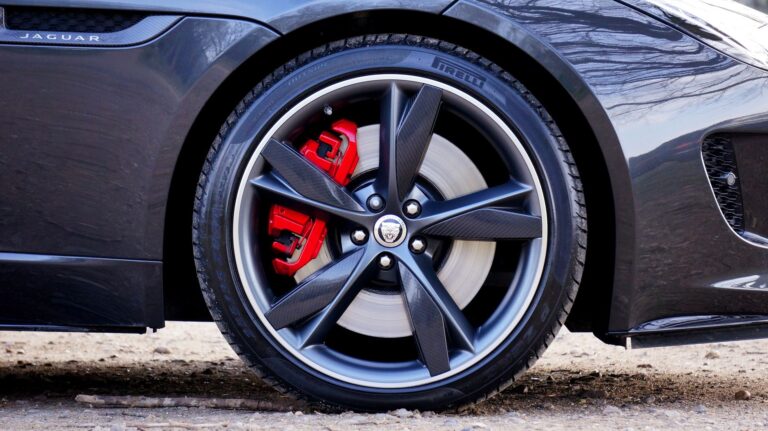
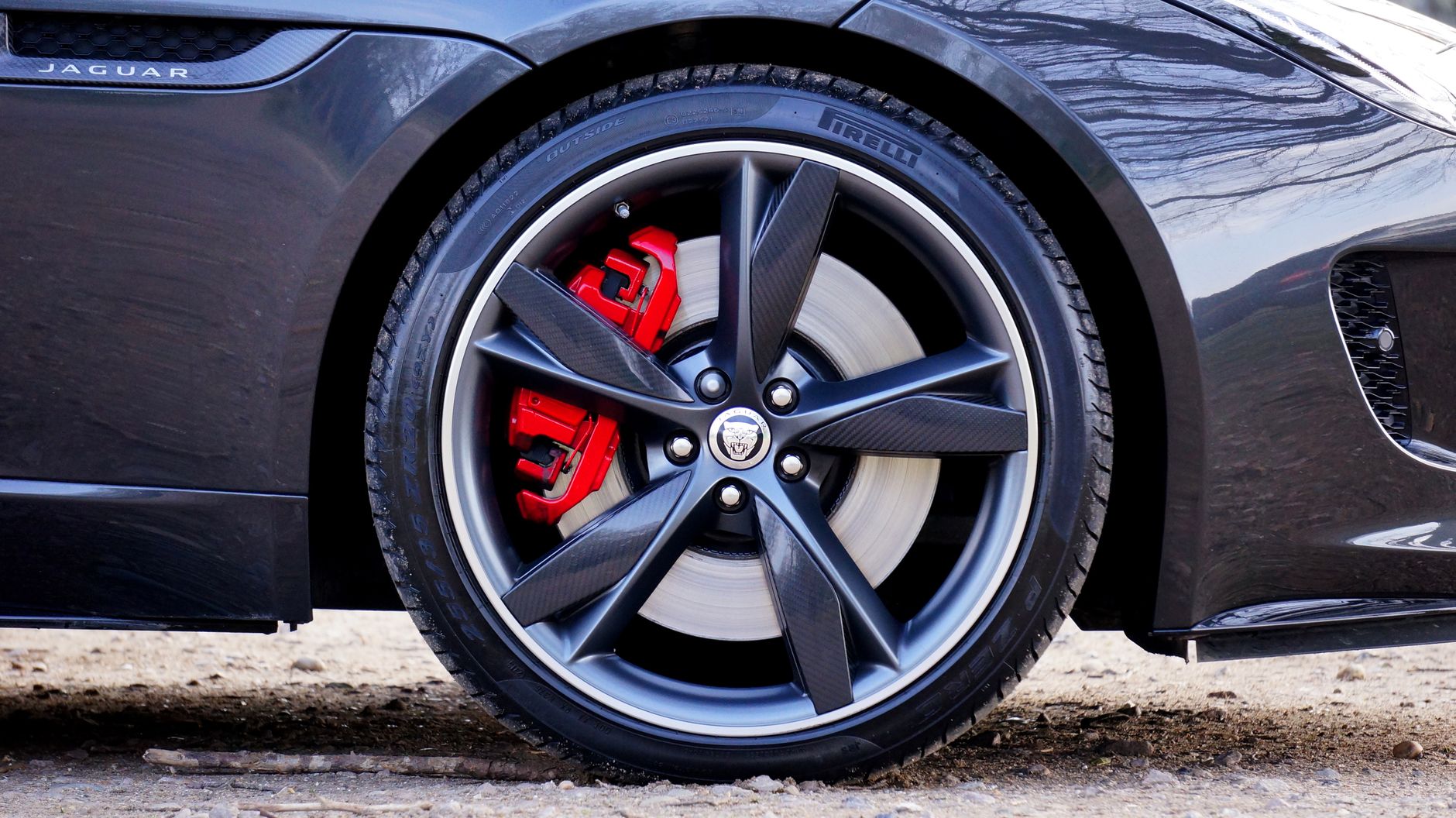
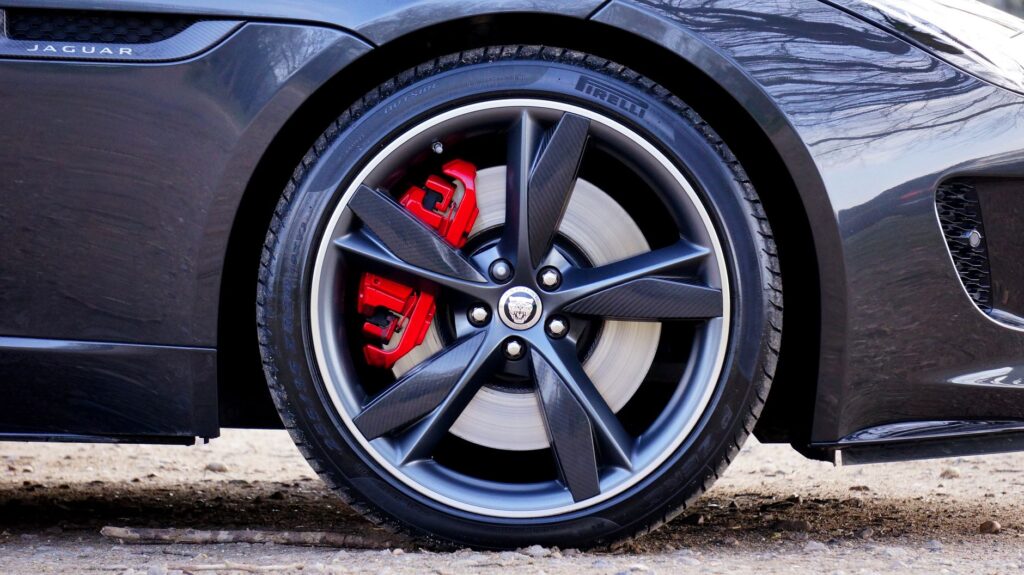
Brake disc “warping” on the Jaguar F‑Pace 2.0D is a common complaint among everyday drivers: steering wheel shake under braking, a pulsing brake pedal, or a vibration that seems to come and go. The F‑Pace is a heavy SUV, and many European cars now run low-dust pad compounds and large wheels—both factors that can make any weakness in the braking setup more noticeable. The key point: in many cases the discs are not truly warped like a bent record; instead, they develop uneven friction deposits or thickness variation that feels the same from the driver’s seat.
Recommended Tool: Professional OBD2 Scanner
Recommended Tool: Premium Brake Pads
Recommended Tool: Cooling System Diagnostic Tools
This article explains the real root causes and how to choose the best replacement strategy—without getting lost in mechanic-only jargon. It’s written with JLR owners in mind, but the logic applies broadly to BMW, Mercedes, Audi, and VW Group models too: heavy vehicles, modern stability systems, and strong automatic gearboxes (like ZF 8HP and DSG) place specific demands on brakes.
🔧 Recommended Professional Tool
DSG Transmission Service KitProfessional tools for DSG gearbox service
✔ Recommended by automotive technicians ✔ Suitable for BMW, Mercedes, VAG & JLR platforms ✔ Fast international shipping
2. Causes
Brake vibration usually comes from uneven braking surfaces rather than a manufacturing defect. Common causes on the Jaguar F‑Pace 2.0D include:
Heat and braking style
- Repeated heavy braking from motorway speeds (especially with a loaded car or towing) can overheat discs and pads.
- Holding the brake pedal firmly after a hard stop (e.g., at the end of a slip road) can “print” pad material onto a hot disc, creating an uneven spot.
Pad material transfer (the most overlooked cause)
Modern pads often leave a thin transfer layer on the disc. If that layer becomes uneven, you get Disc Thickness Variation (DTV), felt as pulsation. This can happen even with brand-new discs if pads aren’t bedded in correctly.
Sticking calipers or slider pins
If a caliper doesn’t release cleanly, one area of the disc runs hotter and develops hot spots. This is especially relevant where road salt and winter grime are common.
Hub corrosion or incorrect fitting
A small amount of corrosion on the hub face can prevent the disc from sitting perfectly flat. Even a tiny runout can turn into DTV after a few hundred kilometres.
Wheel bolt torque issues
Over-tightening or uneven tightening can distort the disc mounting. This is more common than people think after tyre shop visits—especially with impact guns.
Cheap or mismatched parts
Low-quality discs may have inconsistent metallurgy and heat tolerance. Mixing aggressive pads with basic discs can also accelerate uneven deposits.
3. Symptoms
You’ll typically notice one or more of the following:
- Steering wheel shimmy when braking (often more obvious from 80–120 km/h)
- Brake pedal pulsation (rhythmic up-down feel)
- Vibration through the seat or floor under braking (rear discs often)
- A “grabby” brake feel at low speeds
- Increased braking noise or a slight burning smell after stops
- Uneven pad wear or one wheel producing much more brake dust
If the vibration appears only when braking and fades when you release the pedal, the discs/pads are the prime suspects.
4. How to diagnose
You can do some checks at home, then confirm with a workshop. A proper diagnosis avoids replacing discs unnecessarily.
Quick home checks
- Visual inspection through the wheel: look for bluish heat marks, cracks, or patchy disc surfaces.
- After a drive, feel for heat differences: carefully place your hand near (not on) each wheel—one wheel radiating much more heat suggests a sticking caliper.
- Parking brake test (if safe and appropriate): rear vibration often shows up with light braking; don’t use the parking brake at speed, but note whether the issue feels rear-biased.
Workshop-level checks (recommended)
A competent workshop will:
- Measure disc runout with a dial gauge at the disc face.
- Measure disc thickness variation with a micrometer around the disc.
- Inspect hub faces for corrosion and check wheel bearing play.
- Check caliper slider movement and piston retraction.
Using JLR diagnostics
On the F‑Pace, workshops may use Pathfinder or SDD (depending on model year and system) to:
- Read ABS/DSC fault codes (a dragging brake can sometimes trigger plausibility faults).
- Check live wheel speed data (a dragging corner can behave differently).
- Perform service functions if required after brake work.
Diagnostics won’t “prove” disc warping electronically, but they can rule out stability-control or sensor-related issues that mimic brake judder.
5. How to fix
The best strategy depends on severity and the true cause.
Option A: Re-bed pads / clean up mild deposits
If discs are within spec and the issue is mild:
- Perform a proper bedding procedure (several medium-to-firm stops from 60–20 km/h with cooling time).
- In some cases, workshops can lightly deglaze pads and discs.
This works only if there’s no significant DTV and no hardware problem.
Option B: Replace discs and pads (the most reliable fix)
For most F‑Pace cases with noticeable judder:
- Replace discs and pads together. Reusing old pads on new discs often recreates the issue quickly.
- Choose reputable brands (OEM/JLR, Brembo, ATE, Zimmermann, Textar depending on the correct application).
Option C: Address the root cause before fitting new parts
Before installing new discs, insist on:
- Cleaning the hub face to bare metal and checking for corrosion pitting.
- Correctly lubricating slider pins with appropriate high-temp brake grease (not copper grease on everything).
- Checking caliper piston movement and replacing seized components if needed.
- Torquing wheel bolts to specification with a torque wrench in the correct pattern.
Best replacement strategy (practical recommendation)
For an everyday European F‑Pace 2.0D used on motorways and city driving:
- Use quality plain (non-drilled) vented discs with matched pads.
- Avoid overly aggressive “track” pads for road use; they can deposit unevenly when cold.
- If you regularly tow or drive alpine routes, consider higher-thermal-capacity discs/pads from premium suppliers, but keep the setup road-focused.
6. Repair costs
Costs vary by country, wheel size, and whether you’re replacing front, rear, or both. Typical European independent specialist pricing:
- Front discs + pads: €350–€650 (parts + labour)
- Rear discs + pads: €300–€550
- All four corners: €700–€1,300
- Add brake fluid change (recommended every 2 years): +€70–€130
- Caliper service (clean/lube sliders): +€40–€120 per axle
- Caliper replacement (if seized): +€250–€600 per caliper fitted (parts vary widely)
Main dealer pricing can be higher, especially with OEM parts and fixed menu pricing, often pushing an all-round job beyond €1,500.
7. Prevention tips
A few habits and checks reduce the chance of recurrence:
- Bed in new brakes properly: avoid hard emergency-style stops for the first 200–300 km unless necessary.
- Don’t hold the pedal hard after heavy braking: if safe, ease off slightly at a stop to reduce pad imprinting.
- Use engine braking sensibly: the 2.0D’s torque and the ZF 8HP’s downshifts help on descents—use manual mode if needed.
- Torque wheel bolts correctly: after tyre changes, confirm proper torque and re-check after 50–100 km.
- Wash winter grime off: salt accelerates slider and hub corrosion.
- Choose matched components: discs and pads designed to work together generally behave better than random mixes.
8. When to see a mechanic
Book a professional inspection if:
- The steering wheel shake is strong or getting worse.
- You feel vibration without braking (could be wheels/tyres, driveshafts, or wheel bearings).
- One wheel gets much hotter than the others (possible dragging brake).
- You hear grinding noises or suspect metal-to-metal contact.
- The brake warning light appears, or the pedal feel changes suddenly.
A workshop with JLR experience and access to Pathfinder/SDD can rule out related stability-control issues and ensure the brake system is functioning correctly after the repair.
9. Frequently Asked Questions
Frequently Asked Questions
How do I know if my F‑Pace discs are truly warped or just have deposits? True disc warping is less common than uneven pad material transfer. A workshop can measure runout and disc thickness variation to confirm. If the vibration developed after a few thousand kilometres on new discs, deposits or fitting issues are more likely than a defective disc.
Can I just skim (machine) the discs instead of replacing them? Skimming can help if the disc thickness remains above the minimum specification and the issue is mild. However, many modern discs don’t have much spare thickness, and skimming won’t fix hub corrosion, sticking calipers, or poor pad match. Replacing discs and pads is often the longer-lasting solution.
Why did the problem come back soon after new brakes were fitted? Common reasons include not cleaning the hub face, incorrect wheel bolt torque, reusing old pads, or a caliper that doesn’t release properly. Poor bedding-in can also create uneven deposits quickly. Ask the workshop whether they measured runout at installation.
Is it safe to keep driving with brake judder? Light judder is usually not immediately dangerous, but it can increase stopping distance and reduce confidence in emergency braking. If the vibration is severe, the steering shakes strongly, or you suspect a sticking caliper, stop delaying and have it checked. Continued overheating can damage pads, discs, and wheel bearings.
Should I upgrade to drilled or slotted discs to prevent this? For normal road driving, plain quality discs are usually the best choice for consistent performance and longevity. Drilled/slotted designs can add noise and may crack if abused, and they don’t cure underlying causes like deposits or runout. Spend the money on good discs, matched pads, and correct installation instead.