1. Introduction
Rear subframe bushings don’t get much attention until they start to wear—then they can change how your car feels in everyday driving. On the Jaguar XE 2.0T (including Ingenium petrol variants such as AJ200P), rear subframe bushing wear is a common “comfort turning into clunks” story: the car may still drive, but it no longer feels tight, quiet, or predictable.
Recommended Tool: Professional OBD2 Scanner
Recommended Tool: OEM Suspension Components
Recommended Tool: Transmission Diagnostic Tools
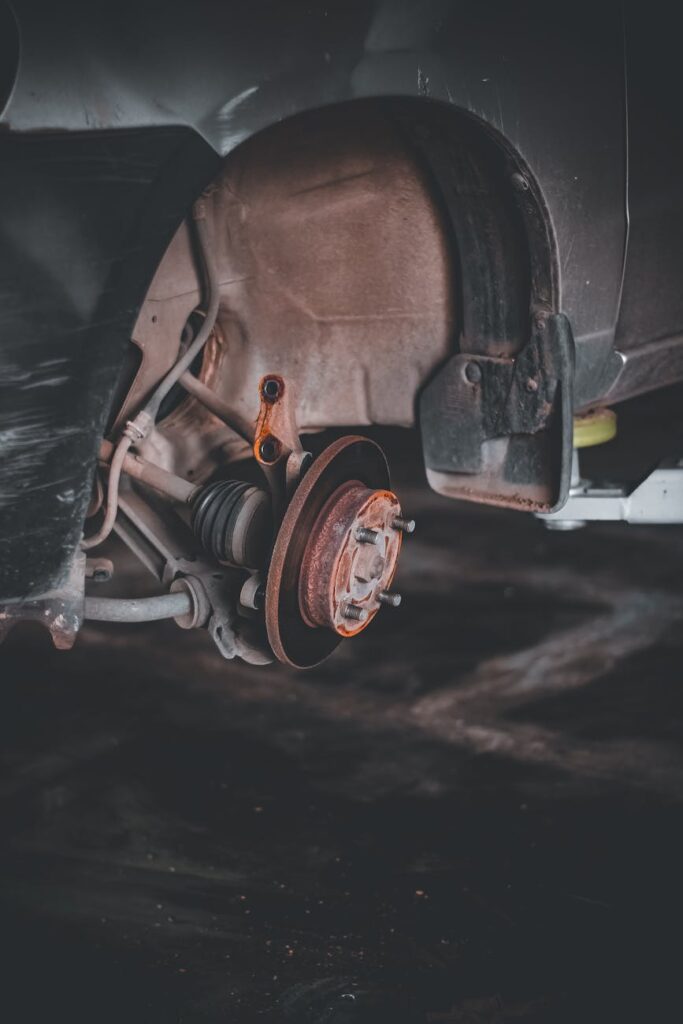
The rear subframe is a large structural carrier that holds key suspension components and helps locate the rear wheels. The bushings isolate vibration and allow controlled movement under load. When those bushings soften, crack, or separate, the rear of the car can begin to move slightly out of position—especially under acceleration, braking, and over bumps—leading to noises, vague handling, and uneven tyre wear. This article explains the typical timeline, symptoms, diagnosis approach, and replacement parts considerations for everyday owners.
🔧 Recommended Professional Tool
JLR Ingenium Engine ToolsRecommended tools for Ingenium engine diagnostics
✔ Recommended by automotive technicians ✔ Suitable for BMW, Mercedes, VAG & JLR platforms ✔ Fast international shipping
2. Causes
Rear subframe bushing wear is usually progressive. It’s influenced by road quality, driving style, and age-related rubber deterioration rather than one single event.
Common causes include:
- Normal ageing of rubber and hydraulic elements
Heat cycles, ozone exposure, and time harden rubber. If the bushing design is fluid-filled (varies by spec), internal leakage accelerates failure. - Urban driving and speed bumps
Frequent low-speed impacts load the subframe in short, sharp jolts. - Higher-torque drivetrain loading
The 2.0T’s torque delivery (especially in automatic cars) repeatedly loads the rear structure during take-off and kickdown. - Oil/chemical contamination
Leaks (engine, gearbox, or differential area) can degrade rubber faster. - Wheel alignment or tyre issues
Incorrect toe/camber or mismatched tyres can increase constant shear forces in the bushings.
Typical timeline (real-world expectation)
While there’s no fixed interval, many owners start noticing early signs around 60,000–100,000 km, with more obvious noises and handling changes by 90,000–140,000 km depending on road conditions. Cars used mostly on smooth motorways may go longer; cars on rough urban roads can show symptoms earlier.
3. Symptoms
Most owners first notice sound or feel changes rather than a warning light. Subframe bushing wear often shows up under load transitions—when the rear goes from “pushing” to “dragging” or vice versa.
Common symptoms:
- Rear clunk or knock over small bumps, manhole covers, or when reversing off a driveway
- Thump during acceleration or gear changes (more noticeable on automatics)
- Vague rear-end feel: the car feels like it “steers” slightly from the rear on fast lane changes
- Instability under braking: rear feels unsettled when braking over uneven roads
- Uneven rear tyre wear (often inner-edge wear if alignment shifts)
- Increased road noise or vibration transmitted into the cabin
Symptoms that can be confused with bushing wear
- Rear shock top mounts or dampers
- Anti-roll bar drop links or bushings
- Differential mounts
- Rear upper/lower control arm bushings
- Exhaust knocks (heat shields or hangers)
4. How to diagnose
A correct diagnosis saves money because several rear-end components can create similar noises. A good inspection combines a road test with a visual and lever-check on a lift.
Road test checks (what you can notice)
- Find a quiet road and gently alternate between light throttle and lift-off at 30–60 km/h.
A dull knock as load changes can indicate subframe movement. - Drive over small repeated bumps at low speed.
A rhythmic clunk from the rear suggests a mounting/bushing rather than a drivetrain issue.
Workshop-style checks (what a mechanic will do)
- Visual inspection: look for cracked rubber, separation, or fluid leakage from bushings (if hydraulic type).
- Pry-bar/lever test: with the car safely lifted, apply controlled force to see if the subframe shifts excessively relative to the body.
- Alignment readings: excessive or inconsistent rear toe can point to subframe movement.
- Chassis ear / noise microphones: helps localise the exact mount producing the sound.
Using diagnostic tools (when relevant)
There isn’t a “bushing fault code,” but scan tools help rule out related issues:
- JLR SDD or Pathfinder: check for stored chassis/suspension or stability-control related codes; review live data if the car reports yaw/steering anomalies.
- If you also own German brands: ISTA (BMW), Xentry (Mercedes), ODIS (VW/Audi) are similarly useful for excluding ABS/ESP sensor faults or adaptive damper issues that can mimic instability.
5. How to fix
The fix is typically straightforward in concept—replace the worn bushings—but the practical approach depends on tooling and whether you replace bushings only or the complete subframe assembly components.
Option A: Replace rear subframe bushings (most common)
- The rear subframe is supported, bolts are removed, and the assembly is lowered enough to access bushings.
- Old bushings are pressed out; new ones are pressed in using a bushing tool/press.
- Subframe is reinstalled and torqued to specification, often at normal ride height where required.
- A four-wheel alignment is strongly recommended afterward.
Parts considerations
- Use OEM or high-quality aftermarket bushings designed for comfort and correct compliance.
- Some owners consider polyurethane, but for everyday European driving it can add noise and harshness and may not suit the XE’s refinement goals.
Option B: Replace associated mounts/components at the same time (smart “while you’re there”)
If the car has higher mileage, many workshops will inspect and sometimes recommend:
- Rear control arm bushings (upper/lower links)
- Anti-roll bar bushes/drop links
- Differential mount(s) if there’s a distinct drivetrain thump This can reduce repeat labour later, but only replace parts that actually show play or deterioration.
After the repair
- Expect the rear to feel tighter and quieter immediately.
- Tyre wear patterns may stabilise after alignment.
- If any clunks remain, have the workshop re-check exhaust clearance and rear damper mounts.
6. Repair costs
Costs vary widely by country and labour rate. Below are realistic ranges for Europe (parts + labour), assuming an independent specialist rather than a main dealer.
Rear subframe bushing replacement (Jaguar XE 2.0T)
- Parts: €120–€350 (set of bushings; OEM typically higher)
- Labour: €400–€900 (time depends on tool access, corrosion, and whether subframe needs significant lowering)
- Wheel alignment: €80–€160
- Typical total: €600–€1,400
If additional components are needed
- Rear control arms/links (as needed): add €200–€700 parts + €150–€400 labour
- Differential mount(s) (if worn): add €150–€450 parts + €150–€350 labour
Main-dealer pricing can exceed these ranges, especially if they recommend additional assemblies rather than bushing-only replacement.
7. Prevention tips
You can’t eliminate rubber ageing, but you can slow wear and catch it early.
- Avoid repeated harsh impacts (deep potholes, high-speed speed bumps)
- Keep tyres matched and correctly inflated to reduce abnormal loading
- Align the car when tyres are replaced or if you notice steering pull/uneven wear
- Fix oil leaks promptly; petroleum contamination shortens bushing life
- Listen for early knocks and address them before they stress other suspension joints
8. When to see a mechanic
Book an inspection if:
- The rear clunk is repeatable on bumps or during throttle on/off transitions
- The car feels unstable at motorway speeds or in emergency manoeuvres
- Rear tyres show unusual wear on one side or the inner edge
- The noise worsens quickly over a few weeks (suggesting separation rather than mild cracking)
If you’re choosing a workshop, look for one familiar with JLR chassis work and equipped to use proper pressing tools and JLR diagnostic platforms (SDD/Pathfinder). A shop that insists on an alignment afterward is usually a good sign.
9. Frequently Asked Questions
Frequently Asked Questions
How long can I drive with worn rear subframe bushings on a Jaguar XE 2.0T?
You can often drive for a while if the wear is mild, but the handling and tyre wear usually get worse over time. As the bushing separates further, braking stability and rear-end precision can deteriorate. It’s best treated as a “schedule soon” repair rather than an emergency unless the rear feels loose or the noise becomes severe.
Will worn subframe bushings cause a warning light or fault code?
Usually not. Subframe bushing wear is mechanical, so the car may not log a specific fault. However, if instability triggers traction or stability interventions, you might see related messages, and SDD/Pathfinder can help confirm there isn’t a sensor issue contributing.
Do I need a wheel alignment after replacing rear subframe bushings?
Yes, in most cases. Even small changes in subframe position can affect rear toe and thrust angle. An alignment helps prevent rapid tyre wear and ensures the car tracks straight.
Is it better to replace the bushings or the whole rear subframe?
In most cases, replacing the bushings is sufficient and more cost-effective. Replacing the entire subframe is typically only considered if there’s accident damage, severe corrosion, or multiple mounting points are compromised. A good specialist can advise based on what they find on the lift.
What other parts should be checked when subframe bushings are worn?
Rear control arm bushings, anti-roll bar links, damper mounts, and differential mounts are common items to inspect. Worn subframe bushings can mask or accelerate wear in these components. Replacing only what is proven worn keeps costs under control.