1. Introduction
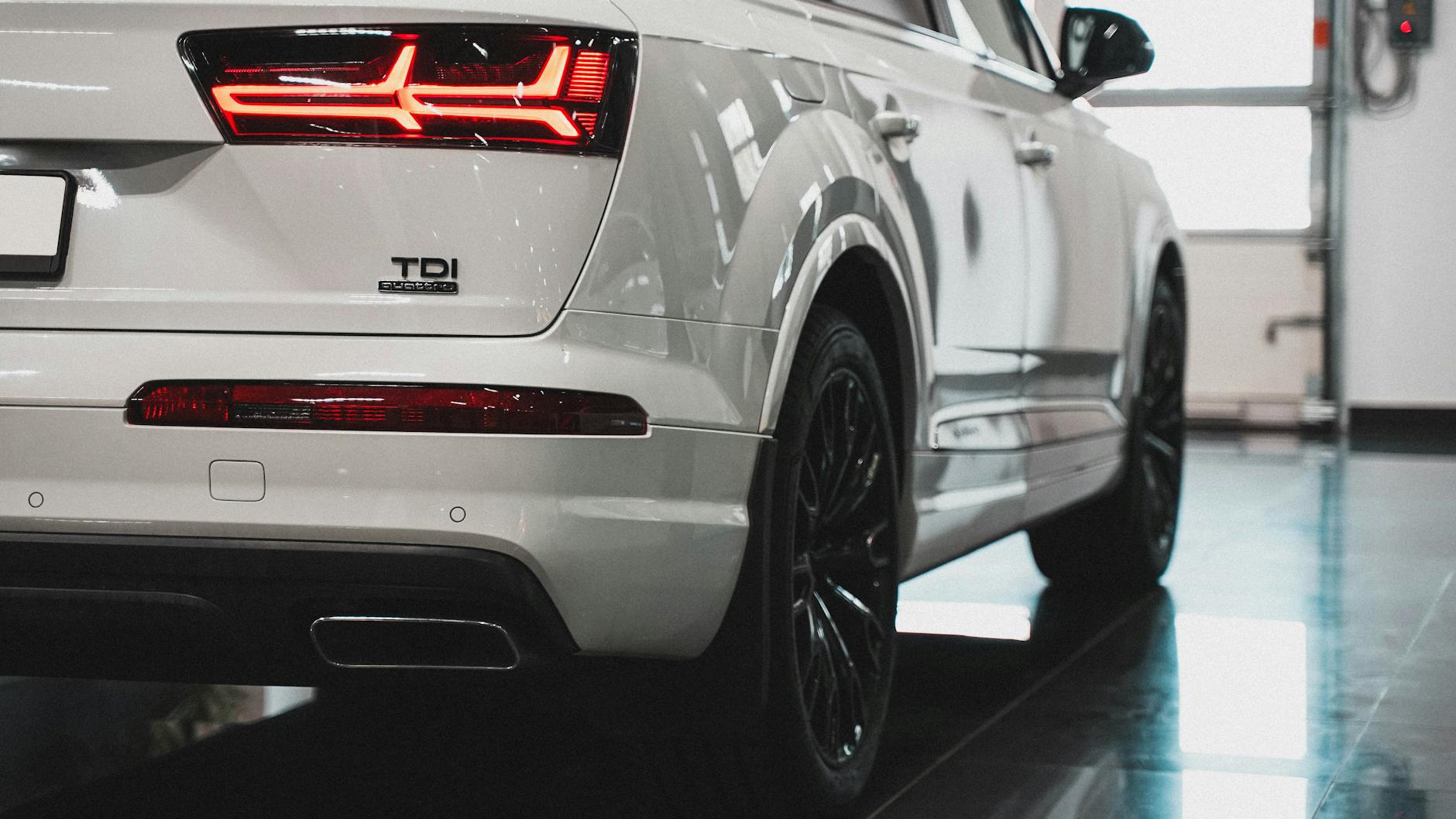
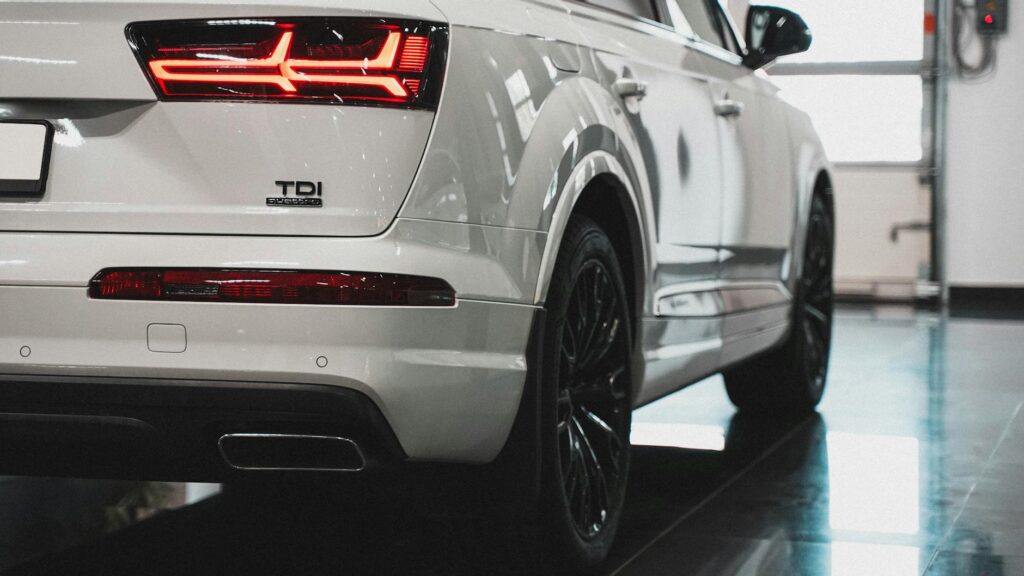
Rear suspension bushings don’t get much attention until they start to affect how the car feels. On the Audi Q7 4M 3.0 TDI (and close relatives like the VW Touareg and Porsche Cayenne of similar eras), the rear axle carrier bushings are a common wear item that can gradually turn a refined SUV into something that feels loose, noisy, or unsettled. These bushings sit between the rear axle carrier (subframe) and the body, isolating road vibration while keeping the rear suspension geometry stable under braking, acceleration, and cornering.
Recommended Tool: Professional OBD2 Scanner
Recommended Tool: Premium Brake Pads
Recommended Tool: OEM Suspension Components
For everyday owners, the key questions are simple: when do they typically wear out, what does it feel like, and what’s involved in replacing them correctly with OEM-spec parts? This guide focuses on real-world timelines, symptoms, diagnosis, and costs, with references to factory diagnostic systems like ODIS where they help confirm the issue.
🔧 Recommended Professional Tool
ZF 8HP Transmission KitService tools for ZF 8HP automatic transmission
✔ Recommended by automotive technicians ✔ Suitable for BMW, Mercedes, VAG & JLR platforms ✔ Fast international shipping
2. Causes
Rear axle carrier bushings are designed to flex, but over time the rubber and bonding materials degrade. On a heavy, torquey vehicle like a Q7 4M 3.0 TDI, they work hard—especially with larger wheels and frequent city driving.
Common causes include:
- Age and mileage: Rubber hardens and cracks with heat cycles and time, even if mileage is low.
- Vehicle weight and torque loads: High torque from the 3.0 TDI (often paired with the ZF 8HP automatic) stresses the rear subframe during launches and kickdowns.
- Poor road surfaces: Potholes, speed bumps, and broken tarmac increase shock loads through the carrier.
- Towing and heavy loads: Regular towing or fully loaded family use accelerates bushing deformation.
- Oil/chemical contamination: Leaks (diff, shocks, or underbody treatments) can swell or soften rubber.
- Previous subframe work: If the rear carrier has been lowered before (for a differential seal, air suspension work, etc.), incorrect bolt re-use or torqueing can shorten bushing life.
3. Symptoms
Worn rear axle carrier bushings often masquerade as “general rear suspension wear,” so it’s worth knowing the typical clues.
Look out for:
- Clunking or dull thuds from the rear over sharp bumps or when transitioning on/off throttle
- A loose, slightly “steering from the rear” feeling on motorways, especially in crosswinds
- Rear-end instability under braking, where the car feels like it shifts before settling
- Increased vibration or booming noise at certain speeds (often worse with 20–22" wheels)
- Uneven rear tyre wear, especially if alignment can’t be set consistently
- Knocks when selecting Drive/Reverse (sometimes misdiagnosed as drivetrain mounts)
These symptoms can overlap with worn control arm bushings, anti-roll bar links, or differential mounts, so diagnosis matters before buying parts.
4. How to diagnose
A good diagnosis combines a road test, a visual inspection, and checking for related faults. Rear axle carrier bushings usually won’t trigger a direct warning light, but you may see secondary issues in chassis systems.
Road test checks (owner-friendly)
- Drive over small sharp bumps at low speed with the radio off; listen for a single dull knock from the rear.
- On a safe straight road, do gentle on/off throttle transitions; note any rear “wind-up” sensation.
- Brake firmly from 70–30 km/h; feel for a rear shift before the car tracks straight.
Workshop inspection (what to ask for)
A shop should place the vehicle on a lift and:
- Inspect bushing rubber for cracks, separation, or leaking hydraulic fluid (some bushings are fluid-filled depending on spec)
- Use a pry bar to apply controlled load and look for excess carrier movement
- Check related components:
- Rear lower/upper control arm bushings
- Rear anti-roll bar bushes and links
- Differential mount(s)
- Air suspension links (if equipped)
Diagnostic tools (ODIS and chassis modules)
With ODIS (VW Group factory diagnostic), a technician may:
- Scan for faults in ABS/ESC, adaptive suspension, or steering angle-related systems that can appear if the rear geometry is shifting.
- Review ride height calibration data on air-suspension models (incorrect calibration won’t cause bushing wear, but worn bushings can make the vehicle feel inconsistent even after calibration).
For owners cross-shopping brands: similar symptoms on BMW (ISTA), Mercedes (Xentry), or JLR (Pathfinder/SDD) can be confirmed with live data and fault memory checks, but the mechanical inspection remains the deciding factor.
5. How to fix
Replacing rear axle carrier bushings is a “big-but-routine” job for a competent workshop. The rear subframe typically needs to be supported and lowered enough to press out the old bushings and install new ones.
What a proper repair involves
- Support drivetrain and rear carrier safely using a transmission jack/support bar
- Mark alignment positions where appropriate (some subframes have limited adjustment; still, indexing helps)
- Lower rear axle carrier sufficiently to access bushings
- Press out old bushings with the correct puller/press tools (improvised methods often damage the carrier)
- Install OEM-spec bushings in the correct orientation (many have directional arrows/marks)
- Replace one-time-use bolts where specified (common on subframe and suspension hardware)
- Torque to specification at ride height where required (important to avoid pre-loading rubber)
- Four-wheel alignment after reassembly
OEM vs aftermarket
- OEM (or OEM supplier equivalents) is usually the best choice for NVH control on premium SUVs.
- Polyurethane alternatives can sharpen handling but often add noise and vibration—most daily drivers regret this on a Q7.
- If your Q7 has air suspension, insist on careful handling of height sensors and a post-repair calibration check if needed.
6. Repair costs
Costs vary heavily by country, labor rate, and whether extra parts are needed. For most European markets, realistic estimates are:
- Parts (rear axle carrier bushings set): €120–€350 (OEM/OE quality)
- New subframe/torque-to-yield bolts and hardware: €40–€150
- Labour: 4.5–8.0 hours depending on equipment and corrosion levels
- Wheel alignment: €90–€180
Total typical cost (parts + labor)
- Independent VAG specialist: €650–€1,200
- Main dealer: €1,100–€1,900
If the shop finds additional worn items while the carrier is down (control arms, anti-roll bar bushes, diff mount), add €200–€900+ depending on scope.
7. Prevention tips
You can’t make bushings last forever, but you can slow wear and catch it early.
- Keep tyres properly inflated and avoid oversized wheels if comfort and longevity matter.
- Drive smoothly over broken surfaces; slow down for speed bumps and potholes.
- Avoid repeated full-throttle launches, especially with heavy loads or towing.
- Fix leaks promptly (diff oil, shock seepage, underbody contamination).
- Get alignment checked if you notice uneven rear tyre wear; it can reveal early movement.
- During routine service, ask for a rear suspension bushing inspection—many shops focus only on front components.
8. When to see a mechanic
Book an inspection soon if you notice:
- Persistent rear knocking that isn’t solved by tightening loose trim or exhaust shields
- A feeling that the rear end shifts during braking or lane changes
- Rapid or uneven rear tyre wear
- Any post-alignment situation where the car still feels unstable
- A recent towing trip followed by new rear noises or “floaty” handling
Because the rear axle carrier affects overall geometry, delaying repairs can accelerate tyre wear and stress other suspension joints.
9. Frequently Asked Questions
Frequently Asked Questions
How long do rear axle carrier bushings typically last on an Audi Q7 4M 3.0 TDI?
Many owners see noticeable wear between 120,000 and 200,000 km, but heavy urban use, large wheels, or towing can shorten that. Age also matters; rubber can degrade even on lower-mileage cars. A pre-purchase inspection should include checking these bushings on higher-mileage Q7s.
Can worn rear axle carrier bushings cause vibrations but no clunking noise?
Yes, especially if the bushings have hardened or partially separated without fully tearing. The rear carrier can transmit more road boom and drivetrain vibration into the cabin without making a clear knock. This is common on long motorway drives where the vibration seems speed-dependent.
Do I need a wheel alignment after replacing the rear axle carrier bushings?
In most cases, yes. Lowering the rear carrier and re-tightening suspension hardware can change rear toe or thrust angle, even slightly, and that affects straight-line stability. An alignment also helps confirm nothing else is bent or excessively worn.
Is it safe to keep driving with worn rear axle carrier bushings?
It’s usually not an immediate breakdown risk, but handling and braking stability can gradually worsen. Tyre wear can become expensive quickly, and extra movement can stress control arm bushings and mounts. If the rear feels unstable or knocks are frequent, treat it as a priority repair.
Should I choose OEM bushings or upgraded aftermarket versions?
For most daily-driven Q7 4M vehicles, OEM or OEM-supplier bushings provide the best balance of comfort, noise control, and durability. “Upgraded” harder bushings can sharpen response but commonly increase cabin vibration and harshness. If you want a firmer setup, discuss it with a VAG specialist who understands your wheel/tyre and suspension configuration.