1. Introduction
A brake upgrade on the Audi RS3 8V is one of the most satisfying modifications you can do if you drive hard, attend track days, or simply want more consistent stopping power on fast road runs. The RS3’s performance is intense for its size, and once you start leaning on the brakes repeatedly, the weak points of the standard discs and pads show up quickly: heat management, pedal consistency, and pad longevity.
Recommended Tool: Professional OBD2 Scanner
Recommended Tool: Premium Brake Pads
Recommended Tool: Cooling System Diagnostic Tools
This guide is written for everyday European car owners (not mechanics) who want a practical path to choosing the best aftermarket discs and pads for track use—without ruining daily drivability. While this is focused on the RS3 8V (2.5 TFSI, engine code DAZA/CEPA depending on year/market; gearbox typically DQ500 DSG), many principles apply to other VW Group performance models too.
🔧 Recommended Professional Tool
DSG Transmission Service KitProfessional tools for DSG gearbox service
✔ Recommended by automotive technicians ✔ Suitable for BMW, Mercedes, VAG & JLR platforms ✔ Fast international shipping
2. Causes
Track use exposes limitations that normal road driving rarely reveals. The most common reasons RS3 8V owners upgrade discs and pads are:
- Brake fade from heat: High-speed braking repeatedly pushes the disc/pad system beyond its ideal temperature range.
- Pad compound mismatch: OEM pads are tuned for low noise and dust, not repeated high-energy stops.
- Disc thermal stress: Rapid heating and cooling can cause hot spots, judder, or cracking—especially with aggressive driving.
- Fluid boiling and soft pedal: Even with good discs/pads, old DOT 4 fluid can overheat and aerate, reducing pedal firmness.
- Added power and grip: Many RS3s run software and hardware upgrades; more speed means more braking energy. Sticky tyres also increase load on the braking system.
3. Symptoms
If your RS3 8V brakes are being outpaced, you’ll typically notice one or more of the following:
- Pedal gets longer or softer after several hard stops (classic fade).
- Inconsistent bite: strong initial stop, then weaker braking on the next corner.
- Vibration or judder under braking (often pad material transfer or disc hot spots).
- Strong burning smell after spirited driving or track laps.
- Pads wearing very quickly or discs showing heat checking (fine surface cracks).
- Brake warning light if pads wear down fast enough to trigger sensors (where fitted).
4. How to diagnose
You can do a lot of assessment without dismantling the car, but a proper diagnosis prevents wasting money on the wrong parts.
Visual checks (easy, no tools)
- Look through the wheels at the discs:
- Blue/purple discoloration suggests repeated overheating.
- Cracks: small surface checking is common after track use; cracks reaching the outer edge or between drill holes (if drilled) are not.
- Check pad thickness and condition:
- Uneven wear can hint at slider issues or caliper problems.
- Crumbling edges may indicate the pad was overheated beyond its range.
Road feel checks (be honest about conditions)
- If the pedal goes soft after hard braking but returns later, suspect fluid boil or heat-soak.
- If vibration appears after a hot session but not when cold, suspect pad deposits rather than a “warped disc.”
Scan tools and vehicle data (when relevant)
While the braking system itself doesn’t always throw clear fault codes for “fade,” it’s still worth scanning the car to rule out related issues:
- ODIS (VW/Audi) can check ABS/ESC faults, wheel speed sensor irregularities, and hydraulic unit issues.
- If you’ve had stability control interventions or odd ABS behaviour, pulling codes can prevent chasing a braking “problem” that’s actually sensor-related.
Workshop-level checks (if you have access)
- Measure disc thickness and compare to minimum spec.
- Check disc runout and hub cleanliness (hub corrosion can create runout and vibration).
- Inspect caliper slider pins/boots (where applicable) and ensure pistons retract correctly.
5. How to fix
A good RS3 brake upgrade is a system approach: pads, discs, fluid, and sometimes lines and cooling. The “best” choice depends on how often you track the car and whether you still commute in it.
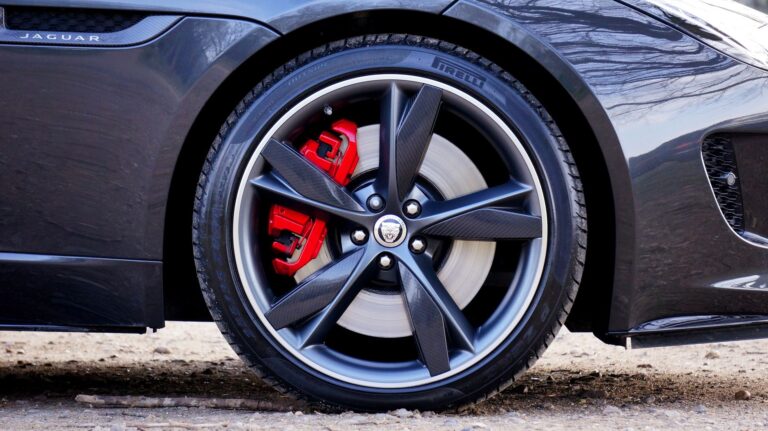
Discs: what to choose for track use
For an RS3 8V used on track, prioritize thermal stability and cracking resistance over looks.
Common disc types and what they’re good for:
- High-quality plain or lightly grooved discs
- Often the most durable for track use.
- Less prone to cracking than drilled.
- Grooved discs
- Help clean the pad surface and manage gases/dust.
- Can increase pad wear and noise slightly.
- Drilled discs
- Often chosen for appearance; can crack sooner under heavy track heat cycles.
- If you track often, drilled is usually not ideal unless specifically engineered for it.
Two-piece discs (floating bell + ring)
If you track regularly, two-piece discs can reduce unsprung weight and manage heat expansion better. They cost more but can be cost-effective long term if replacement rings are available.
Pads: matching compound to your use
Pads matter as much as discs—often more.
Good “dual-purpose” fast road + occasional track pads tend to:
- Work from cold reasonably well
- Keep noise acceptable
- Handle moderate track temperatures without falling apart
Track-focused pads provide:
- Higher temperature ceiling and consistent bite
- More dust and likely more squeal
- Reduced cold performance (important on wet/cold European mornings)
If your RS3 is still a daily driver, avoid extremely aggressive endurance/race compounds unless you’re comfortable with noise, dust, and lower cold bite.
Fluid, lines, and cooling (don’t skip these)
- Brake fluid: A high-quality high-boiling-point DOT 4 racing fluid is a must for track days. Fresh fluid often transforms pedal confidence more than any pad.
- Stainless braided lines: Can improve pedal feel, especially when hot, though they’re not a cure for fade by themselves.
- Brake cooling: If you do multiple hard laps, adding ducting or improving airflow can significantly extend pad/disc life.
Bedding-in: the step that prevents most complaints
Many “new brakes are vibrating” reports are from incorrect bedding-in. Follow the pad manufacturer’s bedding procedure precisely. Proper bedding creates an even transfer layer on the disc, improving bite and reducing judder.
6. Repair costs
Prices vary across Europe, but these ranges are realistic for quality parts and professional fitting on an RS3 8V.
Typical upgrade cost ranges (parts + labor)
- Performance pads (front axle): €250–€450 parts, €120–€250 labor
- Performance discs (front axle, one-piece): €450–€900 parts, €150–€300 labor
- Two-piece front discs: €900–€1,600 parts, €150–€300 labor
- Rear pads and discs (if upgrading to match): €400–€900 parts, €150–€300 labor
- Brake fluid flush with high-temp fluid: €120–€220
- Stainless braided lines (all around): €150–€300 parts, €150–€300 labor
Total typical spend
- Occasional track (pads + fluid, keep discs if healthy): €400–€800
- Proper front-end track refresh (pads + discs + fluid): €900–€1,600
- More serious setup (two-piece discs + pads + fluid + lines): €1,400–€2,600
If your car has uneven wear, seized components, or hub corrosion causing runout, add extra labor for cleaning, freeing sliders, or replacing hardware.
7. Prevention tips
Upgraded brakes last much longer if you manage heat and maintenance:
- Change brake fluid annually if you do track days (or every 2 years for normal use).
- Torque wheel bolts correctly and evenly; incorrect torque can contribute to vibration complaints.
- Do a cool-down lap on track to reduce heat soak into pads and fluid.
- Avoid sitting stationary with the brake pedal pressed right after heavy braking; it can imprint pad material on hot discs.
- Inspect pads before every event, especially inner pads (they can wear faster).
- If running more power (common on DAZA cars), budget for brakes like you budget for tyres.
8. When to see a mechanic
You should book a reputable independent VAG specialist (or dealer) if:
- The pedal becomes soft repeatedly even after a fluid change.
- You have persistent vibration that doesn’t improve after re-bedding and hub cleaning.
- You see cracks reaching the disc edge or significant chunking on pads.
- The ABS/ESC warning light appears—scan with ODIS to check for sensor or hydraulic faults.
- You’re unsure about compatibility with your calipers, pad sensors, or the RS3’s braking package.
A good workshop will also confirm disc thickness, check hub faces, and ensure the caliper hardware is moving freely—details that matter as much as the brand of parts.
9. Frequently Asked Questions
Frequently Asked Questions
What’s the best disc type for an RS3 8V that sees regular track use?
For regular track work, high-quality plain or lightly grooved discs tend to last longer and resist cracking better than drilled discs. Two-piece discs can add thermal stability and reduce vibration risk under repeated heat cycles. The best choice still depends on your track frequency and budget.
Can I run track pads on the road every day?
You can, but many track pads squeal, dust heavily, and may have reduced cold bite, especially in winter or rain. A fast road/track hybrid pad is usually the best compromise for a daily-driven RS3. If you do frequent track days, consider swapping pads for events.
Why do my brakes “warp” after a track day?
In many cases it’s not true warping but uneven pad material transfer creating a judder sensation. This often happens when pads are overheated or bedding-in was incorrect. Correct re-bedding and ensuring the hubs are clean can sometimes resolve it without new discs.
Do I need stainless braided lines for track use?
They’re not essential, but they can improve pedal feel and consistency when the system is hot. The bigger priority is fresh high-boiling-point DOT 4 fluid and pads matched to your temperature range. If your original rubber lines are aging, braided lines can be a sensible upgrade.
Should I upgrade rear brakes too, or just the fronts?
Front brakes do most of the work, so that’s where upgrades make the biggest difference. However, upgrading the rear pads (and fluid) to a compatible compound can improve balance and stability under heavy braking. For frequent track use, matching all four corners is a smarter long-term approach.