1. Introduction
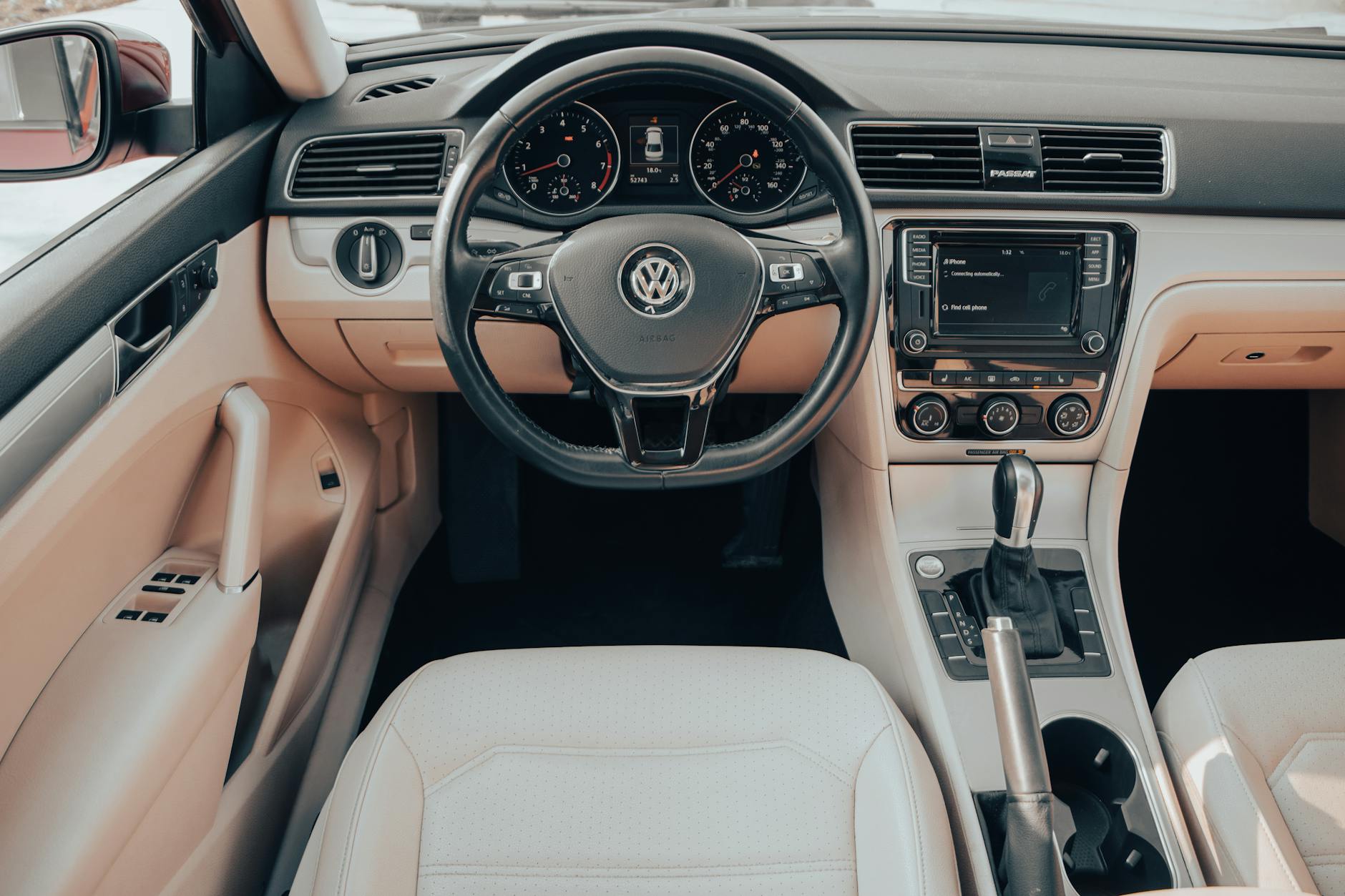
Seeing “ACC Not Available” on a VW Passat B8 can be frustrating—especially because Adaptive Cruise Control (ACC) is one of those features you only truly appreciate on long motorway trips. On the Passat B8 (and related MQB models across VW Group), ACC depends heavily on a front radar sensor that must be precisely aligned to the car’s centerline and road angle. If the radar’s aim is out even slightly, the system may disable itself for safety.
Recommended Tool: Professional OBD2 Scanner
Recommended Tool: Portable Jump Starter
Recommended Tool: OEM Suspension Components
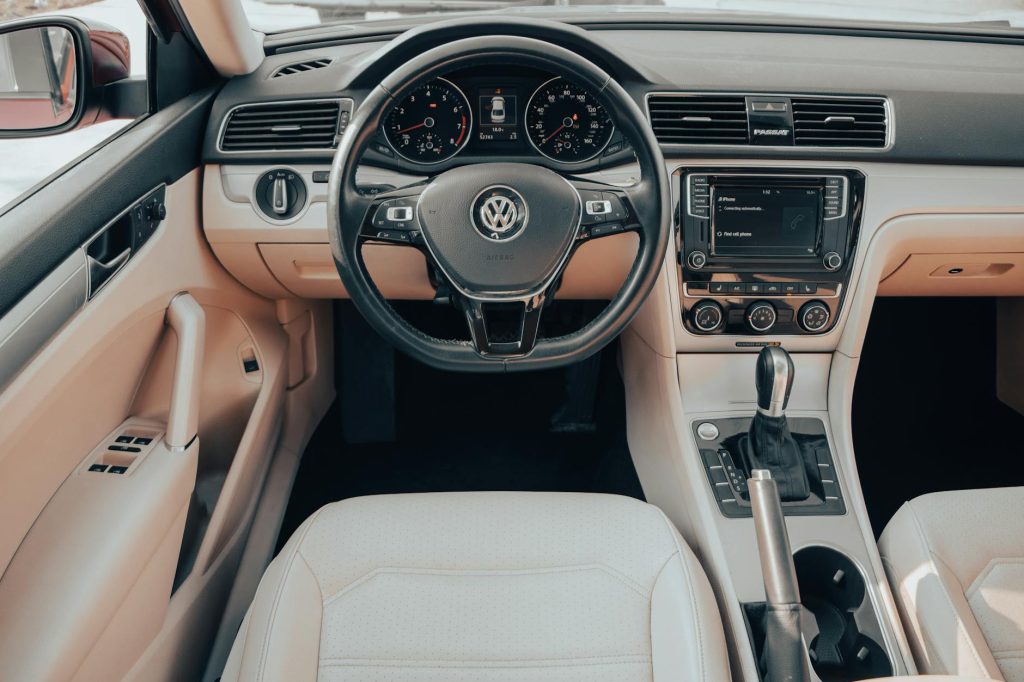
This guide is written for everyday European car owners (not mechanics). It explains why the warning happens, what you can check yourself, how professionals diagnose it with tools like ODIS, and what radar calibration involves after repairs, bumper work, or windscreen replacement.
🔧 Recommended Professional Tool
Automotive Battery TesterCheck battery health and charging system performance with precision.
✔ Recommended by automotive technicians ✔ Suitable for BMW, Mercedes, VAG & JLR platforms ✔ Fast international shipping
2. Causes
ACC errors are rarely random. Most stem from radar visibility, alignment, power supply, or incorrect calibration data. Common causes on the Passat B8 include:
- Radar misalignment
- Minor front-end impacts
- Bumper removal/refit
- Tow hook use that flexes the carrier
- Incorrectly fitted grille/emblem area affecting the radar window
- Radar sensor obstruction
- Packed snow or ice
- Heavy dirt, road salt film, bugs
- Non-OEM badge or vinyl wrap over the radar zone
- Incorrect calibration after bodywork
- Bumper repaint with too much paint thickness in the radar area
- Poor-quality aftermarket bumper/grille with different radar transparency
- Electrical issues
- Low battery voltage, weak battery (common after short trips)
- Corrosion in connectors after winter driving
- Wiring damage near the front bumper
- Software/coding mismatches
- Module replaced and not parameterised correctly
- Incorrect dataset after retrofits
- Related sensor issues
- Front camera (if equipped) faults can sometimes disable driver assist functions
- Wheel alignment or ride height changes (less common, but can affect aim assumptions)
3. Symptoms
“ACC Not Available” can appear alone or with other driver-assist messages. Typical symptoms include:
- ACC will not engage, or cancels immediately after setting
- Warning appears after starting the car, or only after driving a few minutes
- Additional messages such as Front Assist not available, Lane Assist not available, or a yellow warning light in the cluster
- ACC works intermittently—often failing in heavy rain, glare, fog, or after a car wash
- Following distance setting unavailable, or the car won’t detect vehicles ahead reliably
If the warning appears right after bumper work or a minor bump, radar alignment should be your first suspect.
4. How to diagnose
You can do a few checks yourself before booking in. Then, if needed, a workshop can confirm with ODIS (Volkswagen’s diagnostic platform).
Quick checks you can do at home
- Clean the radar area thoroughly
- On many Passat B8 variants, the radar sits behind the front emblem or lower grille area. Use gentle car shampoo; avoid aggressive solvents.
- Inspect for physical misalignment
- Look for uneven panel gaps, a slightly pushed-in bumper, or a cracked grille near the radar zone.
- Check battery health
- If the car has been sitting or doing short journeys, low voltage can trigger multiple assistance errors.
- Remove any obstruction
- Plate frames, stickers, wraps, or poorly fitted accessories near the radar zone can interfere.
Diagnostic checks with ODIS (what a workshop will do)
A proper scan identifies whether the issue is “can’t see” vs “aim is wrong” vs “internal fault.”
- Fault code scan (ODIS)
- The ACC/radar module (often under Driver Assistance/Front Radar) will log DTCs describing alignment, signal quality, or communication issues.
- Live data review
- Sensor status, misalignment values, detected object quality, and environmental interference counters.
- Basic settings / calibration status
- ODIS will show whether the radar is “calibrated,” “not calibrated,” or has implausible settings.
- Wiring and connector checks
- Voltage supply, ground integrity, CAN communication, and connector pin condition.
If the radar has been replaced or the bumper carrier disturbed, ODIS will often point clearly to calibration required.
5. How to fix
The right fix depends on what the diagnosis shows. Here’s the practical roadmap.
Step 1: Eliminate simple causes
- Clean the radar window area and test-drive
- Fully charge the battery or test it (especially on start/stop-equipped cars)
- Remove wraps/stickers or replace a poorly fitting aftermarket grille
If the warning disappears and stays away, you’ve likely solved it.
Step 2: Repair physical alignment issues
If there’s visible bumper distortion or misfit:
- Re-seat the bumper and grille correctly
- Check that the radar bracket and carrier are not bent
- Replace broken clips or damaged mounting points
A radar that’s mechanically “pointing wrong” cannot be fixed with software alone.
Step 3: Perform radar calibration (the key step)
For many Passat B8 cases, the real fix is static radar calibration using a calibration frame/target and level ground. The workshop will typically:
- Set correct tyre pressures and ensure the car is at normal ride height
- Measure vehicle geometry references (centerline, distance to target)
- Use a dedicated calibration target positioned precisely in front of the car
- Run the calibration routine in ODIS (often under Basic Settings)
- Confirm successful calibration and clear faults
- Road-test to verify ACC engagement and stable following control
If you’ve had:
- bumper replacement/removal,
- radar replacement,
- front-end impact repair,
- certain wheel alignment/ride-height changes,
…calibration is usually mandatory.
Step 4: Replace parts if the sensor is faulty
If ODIS indicates internal radar failure or water ingress:
- Replace the radar unit (and sometimes the bracket)
- Parameterise/coding as required
- Calibrate after installation (almost always required)
6. Repair costs
Costs vary across Europe by labour rate and whether genuine parts are used. Typical Passat B8 ACC-related cost ranges (parts + labour):
- Basic diagnostic scan (ODIS)
- €60–€150
- Radar calibration only (no parts)
- €180–€450
(Higher end at main dealers or where setup time is billed fully)
- €180–€450
- Radar bracket or mounting hardware
- €40–€150 parts + €80–€200 labour
- Repair bumper fitment / refit after poor installation
- €150–€400 labour depending on complexity
- Front radar sensor replacement
- €600–€1,400 parts (OEM range varies) + €200–€500 labour + calibration (€180–€450)
- Total commonly €1,000–€2,200
- Wiring repair / connector replacement
- €120–€400 depending on access and damage
If the issue began immediately after bodywork, it’s worth returning to the body shop—calibration may have been omitted or the bumper/grille may not be radar-compatible.
7. Prevention tips
You can reduce the chances of ACC dropping out with a few habits:
- Keep the radar area clean in winter (salt film can be enough to degrade signal)
- Avoid pressure-washer blasts directly at the emblem/grille from close range
- Don’t apply thick vinyl wraps or non-approved stickers over the radar zone
- After any front bumper removal, insist on a proper ACC calibration receipt
- Maintain battery health—especially if your car does many short trips
8. When to see a mechanic
Book a professional diagnosis if:
- The warning is persistent and cleaning doesn’t help
- ACC cancels unexpectedly while driving (safety concern)
- The car has had recent bumper work, a minor impact, or a radar replacement
- Multiple driver-assist systems fail together (could indicate voltage or CAN faults)
- You see visible bumper misalignment or broken radar mounting points
A workshop with ODIS and the correct calibration equipment is important here. Generic scan tools can read some codes but often can’t complete the required basic settings/calibration steps.
9. Frequently Asked Questions
Frequently Asked Questions
Why did “ACC Not Available” appear after my bumper was removed?
The radar sensor’s position can shift slightly when the bumper carrier or bracket is disturbed. Even small changes can exceed the system’s tolerance and trigger a shutdown. In many cases, a proper ODIS calibration restores operation.
Can I drive normally if ACC is not available?
Yes, the car will drive normally, but you’ll lose adaptive cruise and sometimes Front Assist functions. Treat it as a safety feature being disabled rather than a minor convenience issue. If braking assistance warnings also appear, get it checked promptly.
Does a windscreen replacement cause ACC faults on a Passat B8?
Windscreen replacement is more likely to affect camera-based systems, but some cars have combined driver-assist dependencies. If your model has a front camera for Lane Assist/traffic sign recognition, that camera may need calibration too. A workshop can confirm with an ODIS scan.
Will an aftermarket grille or emblem cause ACC errors?
It can. Some aftermarket parts don’t have the correct radar transparency or thickness, and paint layers can also interfere. If the error started right after fitting a new grille/emblem, swap back to OEM or confirm the part is radar-compatible.
Is calibration the same as wheel alignment?
No. Wheel alignment adjusts suspension geometry; radar calibration aligns the sensor’s “view” to the car’s centerline using a target and software routine. The two can be related if the car’s stance or geometry has changed significantly, but they are separate procedures.